THE ADVENTURE COLLECTIVE® · Independent discovery and booking for outdoor travel

Spend a long day leaving Arusha for the broad Masai plains and the Tarangire River, where elephants and herds converge on seasonal water. This practical guide covers what you’ll see, when to go, and how to prepare for a full‑day safari.
Spend a long day leaving Arusha for the broad Masai plains and the Tarangire River, where elephants and herds converge on seasonal water. This practical guide covers what you’ll see, when to go, and how to prepare for a full‑day safari.
You roll out of Arusha before dawn and the road loosens the city into wide Masai plains—acacia silhouettes, women carrying water, and the occasional donkey cart in bright cloth. At the park gate a colossal baobab looms; monkeys chatter in the shade and the Tarangire River cuts a slow silver line through acacia and jackalberry.
Verified experiences and guided adventures in the surrounding area.
Operated by Love Africa Tours & Safaris · Arusha, Manyara Region
You roll out of Arusha before dawn and the road loosens the city into wide Masai plains—acacia silhouettes, women carrying water, and the occasional donkey cart in bright cloth. At the park gate a colossal baobab looms; monkeys chatter in the shade and the Tarangire River cuts a slow silver line through acacia and jackalberry.
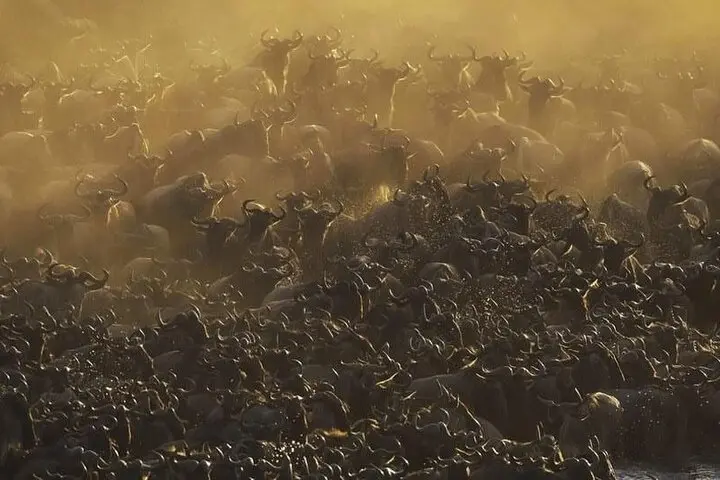
Tarangire sits on the southern edge of the East African Rift where seasonal floods and dry plains shape where game moves. The park was designated in 1970 to protect these life‑giving watercourses and the large elephant herds that concentrate here in the dry months. The land still bears Maasai footprints; many villages you pass are pastoral and linked to the park by long grazing histories.
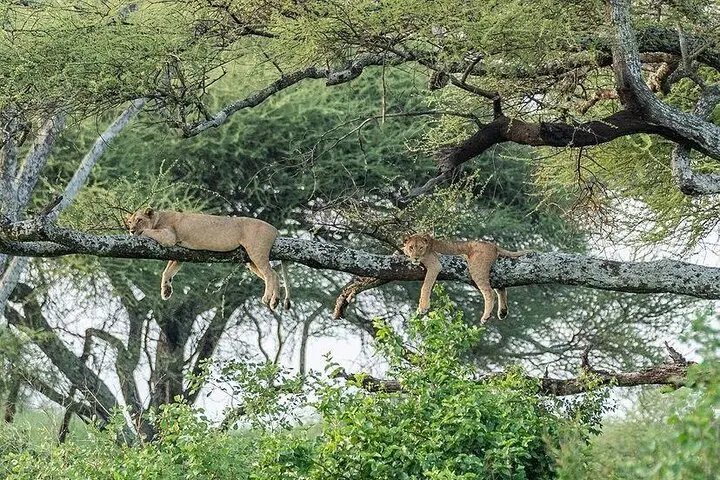
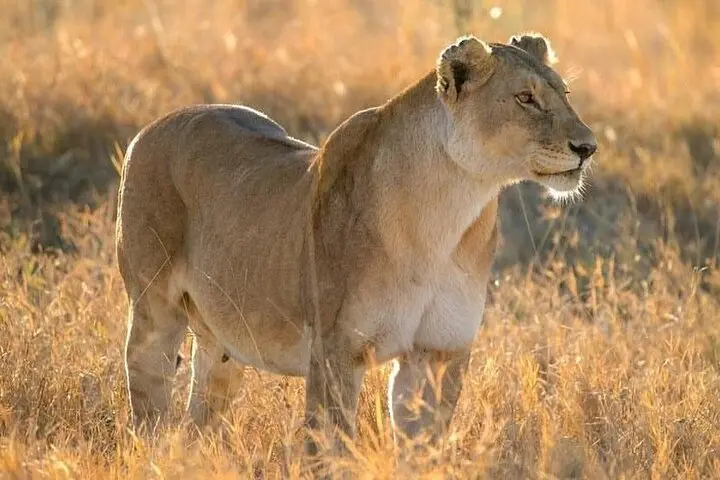
Game viewing is direct—elephants move like slow decisions, giraffes watch from the treetops, and predators slip through long grass where the river forms oxbows. Birders find migrant species along the riverine corridors. Geology is visible in low ridges and the flat floodplain, a landscape that alternates between sticky black‑soil swamps and dusty savanna.
Practical guidance: expect a full day (roughly 8–10 hours) from Arusha with private transport and an open‑roof jeep for photography. Bring sun protection, a refillable water bottle, binoculars, and layered clothing for cool mornings and hot midday. Respect Maasai communities—ask before photographing—and follow your guide’s distance rules around wildlife. Early starts increase sightings; late afternoons concentrate animals by the river. Facilities are basic in the park; plan on lodge or camp dinner after the drive.
Typical day trips run about 8–10 hours door‑to‑door, with most time spent inside the park on game drives.
No—wildlife is wild. Dry seasons concentrate animals near water and increase viewing odds, but sightings vary by season and movement.
This operator lists the tour and transportation as wheelchair accessible; confirm specifics about vehicle access and transfer assistance when booking.
Inclusions vary by provider—this product notes transport and fees/taxes; confirm whether meals or lodge transfers are included before booking.
Love Africa Tours & Safaris operates guided outdoor trips and adventures with an emphasis on safety, stewardship, and memorable experiences.
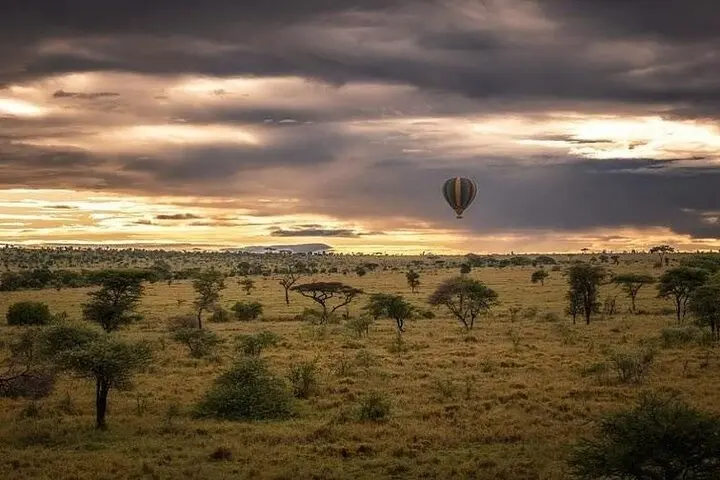
You roll out of Arusha before dawn and the road loosens the city into wide Masai plains—acacia silhouettes, women carrying water, and the occasional donkey cart in bright cloth. At the park gate a colossal baobab looms; monkeys chatter in the shade and the Tarangire River cuts a slow silver line through acacia and jackalberry.
You roll out of Arusha before dawn and the road loosens the city into wide Masai plains—acacia silhouettes, women carrying water, and the occasional donkey cart in bright cloth. At the park gate a colossal baobab looms; monkeys chatter in the shade and the Tarangire River cuts a slow silver line through acacia and jackalberry.
Tarangire sits on the southern edge of the East African Rift where seasonal floods and dry plains shape where game moves. The park was designated in 1970 to protect these life‑giving watercourses and the large elephant herds that concentrate here in the dry months. The land still bears Maasai footprints; many villages you pass are pastoral and linked to the park by long grazing histories.
Game viewing is direct—elephants move like slow decisions, giraffes watch from the treetops, and predators slip through long grass where the river forms oxbows. Birders find migrant species along the riverine corridors. Geology is visible in low ridges and the flat floodplain, a landscape that alternates between sticky black‑soil swamps and dusty savanna.
Practical guidance: expect a full day (roughly 8–10 hours) from Arusha with private transport and an open‑roof jeep for photography. Bring sun protection, a refillable water bottle, binoculars, and layered clothing for cool mornings and hot midday. Respect Maasai communities—ask before photographing—and follow your guide’s distance rules around wildlife. Early starts increase sightings; late afternoons concentrate animals by the river. Facilities are basic in the park; plan on lodge or camp dinner after the drive.