THE ADVENTURE COLLECTIVE® · Independent discovery and booking for outdoor travel

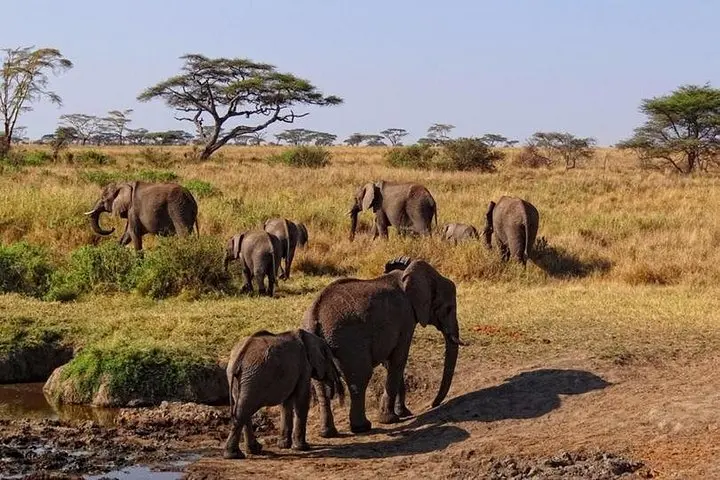
Drive from Arusha into the baobab-scattered plains where the Tarangire River concentrates elephants, lions and plains game. This full-day safari delivers at least six hours of game-drive time with picnic lunch and expert guides—ideal for photographers and first-time safari-goers.
Drive from Arusha into the baobab-scattered plains where the Tarangire River concentrates elephants, lions and plains game. This full-day safari delivers at least six hours of game-drive time with picnic lunch and expert guides—ideal for photographers and first-time safari-goers.
Dust rises in bands as the Land Cruiser slips off the main road and the baobab-studded plain opens up: Tarangire announces itself with a hush broken only by distant trumpets and the scrape of hooves.
Verified experiences and guided adventures in the surrounding area.
Operated by Serengeti Safari Booking · Tarangire National Park, Manyara Region
Dust rises in bands as the Land Cruiser slips off the main road and the baobab-studded plain opens up: Tarangire announces itself with a hush broken only by distant trumpets and the scrape of hooves.
This full-day safari centers on the park's lifeline, the Tarangire River, which dares wildlife into view year-round. Geologically the park sits on rolling volcanic plains and alkaline swamps; the river cuts a green ribbon through drier savanna, drawing huge elephant herds and the predators that follow. The area has been a protected wildlife corridor since the park's designation in 1970, and Maasai grazing culture remains part of the human landscape nearby.
On a typical day trip from Arusha expect roughly 6+ hours of game-drive time inside the park, picnic lunch at a shaded site, and multiple photo stops. Guides read the land like a map of tracks and spoor; early mornings and late afternoons concentrate sightings as animals move to drink. Roads can be corrugated and, in the wet season, soft—vehicles provide the practical advantage of distance plus shade for long viewing windows.
Practical notes: dress in neutral layers for temperature swings, bring a good pair of binoculars and a camera with a telephoto lens, carry sun protection and refillable water. If you want quieter sightings, request an early pickup—light and animal activity combine best at first light. Respect vehicle distance rules and local guidelines to support ongoing conservation.
Yes, the tour includes hotel or airport pickup and drop-off in Arusha—confirm your pickup point when booking.
Expect at least six hours of game driving within the park as part of a 10–12 hour day trip including transport time.
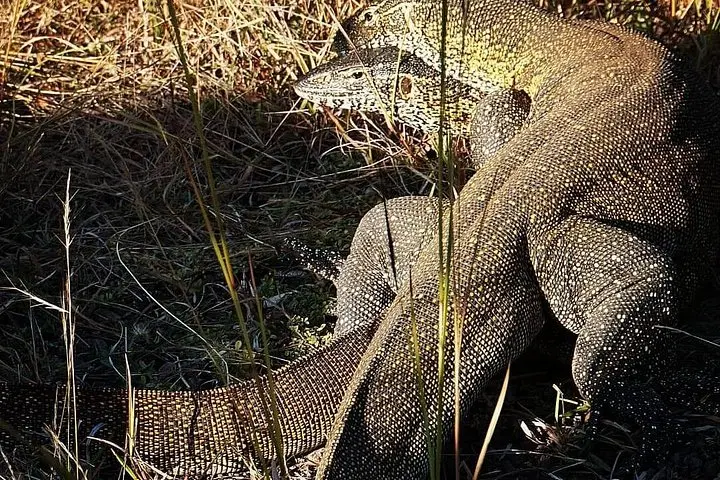
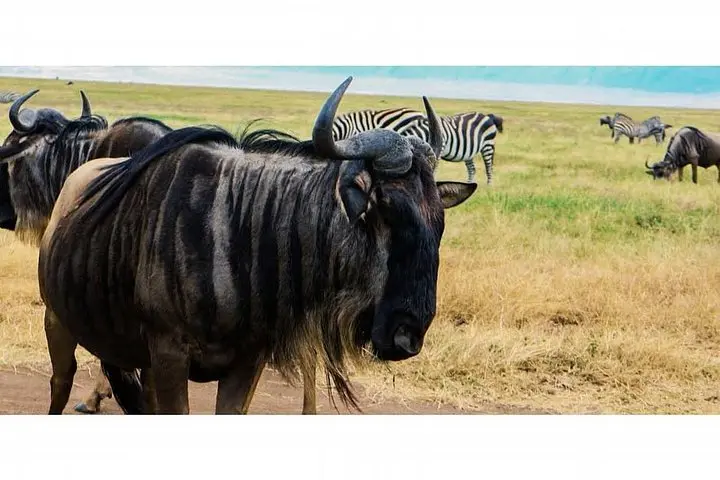
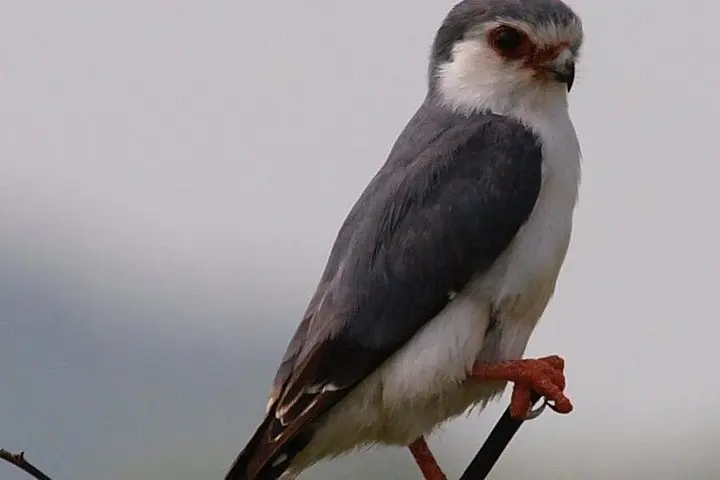
Tarangire is known for large elephant herds, as well as lions, leopards, buffalo, giraffe and abundant plains herbivores; sightings vary by season and luck.
Lunch is provided as a picnic box at a designated site and basic restroom facilities are available at picnic and park visitor areas.
Serengeti Safari Booking operates guided outdoor trips and adventures with an emphasis on safety, stewardship, and memorable experiences.
Dust rises in bands as the Land Cruiser slips off the main road and the baobab-studded plain opens up: Tarangire announces itself with a hush broken only by distant trumpets and the scrape of hooves.
Dust rises in bands as the Land Cruiser slips off the main road and the baobab-studded plain opens up: Tarangire announces itself with a hush broken only by distant trumpets and the scrape of hooves.
This full-day safari centers on the park's lifeline, the Tarangire River, which dares wildlife into view year-round. Geologically the park sits on rolling volcanic plains and alkaline swamps; the river cuts a green ribbon through drier savanna, drawing huge elephant herds and the predators that follow. The area has been a protected wildlife corridor since the park's designation in 1970, and Maasai grazing culture remains part of the human landscape nearby.
On a typical day trip from Arusha expect roughly 6+ hours of game-drive time inside the park, picnic lunch at a shaded site, and multiple photo stops. Guides read the land like a map of tracks and spoor; early mornings and late afternoons concentrate sightings as animals move to drink. Roads can be corrugated and, in the wet season, soft—vehicles provide the practical advantage of distance plus shade for long viewing windows.
Practical notes: dress in neutral layers for temperature swings, bring a good pair of binoculars and a camera with a telephoto lens, carry sun protection and refillable water. If you want quieter sightings, request an early pickup—light and animal activity combine best at first light. Respect vehicle distance rules and local guidelines to support ongoing conservation.