THE ADVENTURE COLLECTIVE® · Independent discovery and booking for outdoor travel

Travel from Alexandria to the Giza Plateau on a private full-day tour to see the Great Pyramid, Khafre, Menkaure and the Sphinx. Expect guided context, museum visits, and practical tips for navigating the site in a long but manageable day.
Travel from Alexandria to the Giza Plateau on a private full-day tour to see the Great Pyramid, Khafre, Menkaure and the Sphinx. Expect guided context, museum visits, and practical tips for navigating the site in a long but manageable day.
Dust and sunlight settle on the limestone as the road from Alexandria gives way to the wide, dry horizon of the Giza Plateau. In the morning light the Great Pyramid blocks throw hard shadows; by midday the Sphinx’s profile reads like a story carved from bedrock. This full-day private tour moves quickly from coastal city to one of human history’s largest outdoor rooms — the pyramids, the Sphinx, and nearby museum displays.
Verified experiences and guided adventures in the surrounding area.
Operated by Oman Day Tours · Giza, Giza Governorate
Dust and sunlight settle on the limestone as the road from Alexandria gives way to the wide, dry horizon of the Giza Plateau. In the morning light the Great Pyramid blocks throw hard shadows; by midday the Sphinx’s profile reads like a story carved from bedrock. This full-day private tour moves quickly from coastal city to one of human history’s largest outdoor rooms — the pyramids, the Sphinx, and nearby museum displays.
The pyramids date to Egypt’s Old Kingdom, monuments raised as royal tombs for pharaohs Khufu, Khafre and Menkaure. Geologically the plateau is a band of Tertiary limestone and kalkarenite that provided a working surface and raw material for builders; over millennia wind and urban pollution have softened carved faces and required periodic conservation.
Culturally, a visit threads modern Egyptian life with ancient ritual — vendors selling papyrus prints, the papyrus institute and small workshops that keep craft skills alive. The Solar Boat Museum and the nearly intact tomb of Queen Hetepheres give context to the engineering on display.
Practically, expect a 6–8 hour day with hotel pickup in Alexandria, comfortable transfer, and 1–2 hours on the plateau. Wear sturdy shoes for uneven stone and sand, carry water and sun protection, and move deliberately around crowded viewpoints. Note access rules: climbing the pyramids is prohibited; some interior chambers require separate tickets and can be tight. With a private Egyptology guide and A/C transport, the day balances efficient logistics with time to absorb the scale and skill of an ancient landscape.
The tour itinerary indicates admission to the main pyramid complex and Solar Boat Museum are included; interior chamber access may require an additional ticket on site.
Climbing the pyramids is prohibited; attempts are illegal and subject to fines or removal from the site.
Driving time is about 2.5–3 hours each way depending on traffic, making this a 6–8 hour round-trip day with site time included.
Children can join but the site has uneven terrain and steps; travelers with significant mobility challenges should check accessibility and discuss specific needs with the operator prior to booking.
Oman Day Tours operates guided outdoor trips and adventures with an emphasis on safety, stewardship, and memorable experiences.
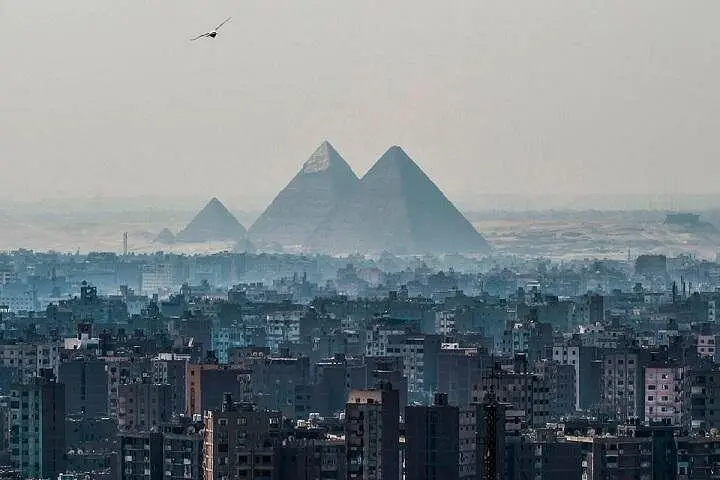
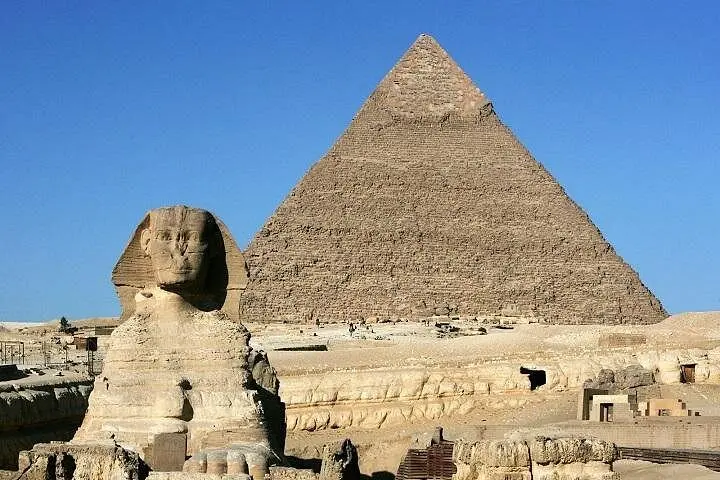
Dust and sunlight settle on the limestone as the road from Alexandria gives way to the wide, dry horizon of the Giza Plateau. In the morning light the Great Pyramid blocks throw hard shadows; by midday the Sphinx’s profile reads like a story carved from bedrock. This full-day private tour moves quickly from coastal city to one of human history’s largest outdoor rooms — the pyramids, the Sphinx, and nearby museum displays.
Dust and sunlight settle on the limestone as the road from Alexandria gives way to the wide, dry horizon of the Giza Plateau. In the morning light the Great Pyramid blocks throw hard shadows; by midday the Sphinx’s profile reads like a story carved from bedrock. This full-day private tour moves quickly from coastal city to one of human history’s largest outdoor rooms — the pyramids, the Sphinx, and nearby museum displays.
The pyramids date to Egypt’s Old Kingdom, monuments raised as royal tombs for pharaohs Khufu, Khafre and Menkaure. Geologically the plateau is a band of Tertiary limestone and kalkarenite that provided a working surface and raw material for builders; over millennia wind and urban pollution have softened carved faces and required periodic conservation.
Culturally, a visit threads modern Egyptian life with ancient ritual — vendors selling papyrus prints, the papyrus institute and small workshops that keep craft skills alive. The Solar Boat Museum and the nearly intact tomb of Queen Hetepheres give context to the engineering on display.
Practically, expect a 6–8 hour day with hotel pickup in Alexandria, comfortable transfer, and 1–2 hours on the plateau. Wear sturdy shoes for uneven stone and sand, carry water and sun protection, and move deliberately around crowded viewpoints. Note access rules: climbing the pyramids is prohibited; some interior chambers require separate tickets and can be tight. With a private Egyptology guide and A/C transport, the day balances efficient logistics with time to absorb the scale and skill of an ancient landscape.