THE ADVENTURE COLLECTIVE® · Independent discovery and booking for outdoor travel

Escape Fes for a full-day journey into the Middle Atlas to visit Azrou, cedar groves, and free-roaming Barbary macaques. This practical guide highlights what to expect—culture, geology, wildlife, and how to prepare for the day.
Escape Fes for a full-day journey into the Middle Atlas to visit Azrou, cedar groves, and free-roaming Barbary macaques. This practical guide highlights what to expect—culture, geology, wildlife, and how to prepare for the day.
Morning light spills across the cedar trunks as the van eases out of Fes and climbs toward the Middle Atlas. By midmorning the road narrows, villages of stone and tile passing in a sequence of smoke and chatter, until the cedars rise ahead—tall, resinous, and alive with movement.
Verified experiences and guided adventures in the surrounding area.
Operated by Peaceful Morocco Travel · Azrou, Fès-Meknès
Morning light spills across the cedar trunks as the van eases out of Fes and climbs toward the Middle Atlas. By midmorning the road narrows, villages of stone and tile passing in a sequence of smoke and chatter, until the cedars rise ahead—tall, resinous, and alive with movement.
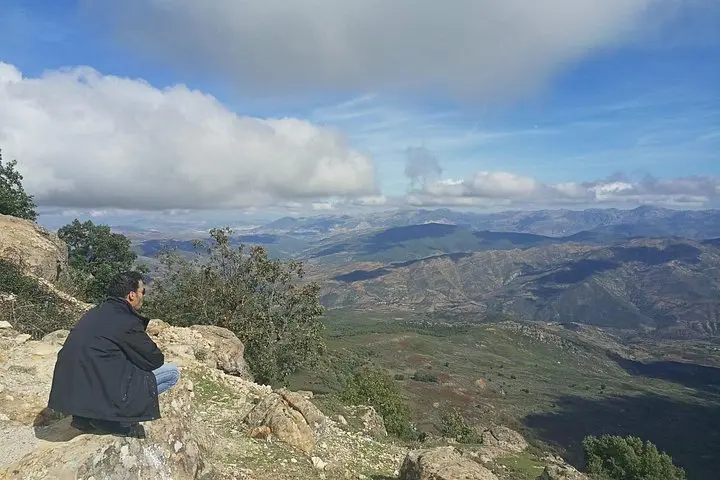
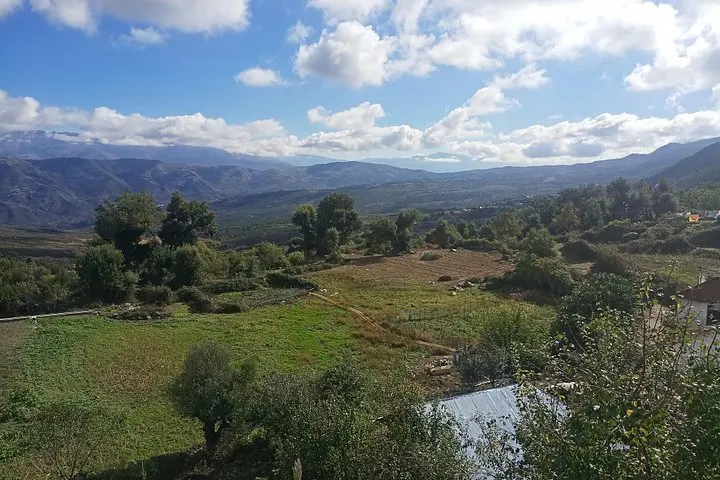
This route follows centuries of human use: Berber shepherds have grazed these high meadows for millennia, carving village life into the folds of the mountains. Geologically the Middle Atlas is older, rounded compared with the High Atlas, formed of limestone and Paleozoic rock that breeds springs and dense cedar stands. Culture here is visible in small workshops—carpet weavers, woodcarvers—where traditional patterns and techniques persist.
Wildlife is a key draw. Barbary macaques are the most visible residents, bounding among branches and checking visitors with unmistakable curiosity; wild boar and raptors are present but skittish. The cedar forest road offers changing light and frequent pullouts for short walks and photo stops.
Practicalities: expect a full day away from the city—allow roughly 8–10 hours for pickup, drive time, and stops. Trails are mostly short, uneven forest paths; wear sturdy shoes and dress in layers for temperature swings. Bring cash for small purchases in Azrou, and carry a refillable water bottle—the tour supplies bottled water but reuse helps the forest.
Timing matters: mornings are best for wildlife, afternoons for softer light in the trees. Stay respectful: don’t feed primates, keep distance, and support local artisans if you buy handicrafts.
Yes—private air-conditioned transport and pickup from Fes are included as part of this day trip.
Meals are not listed as included; the itinerary provides bottled water, but plan to buy lunch in Azrou or bring snacks.
Sightings are common but not guaranteed; macaques are wild animals and their movements vary with season and local food availability.
The tour notes stroller accessibility and allows infants (who must sit on laps), but some forest paths are uneven—bring a carrier if you plan on walking off paved stops.
Peaceful Morocco Travel operates guided outdoor trips and adventures with an emphasis on safety, stewardship, and memorable experiences.
Morning light spills across the cedar trunks as the van eases out of Fes and climbs toward the Middle Atlas. By midmorning the road narrows, villages of stone and tile passing in a sequence of smoke and chatter, until the cedars rise ahead—tall, resinous, and alive with movement.
Morning light spills across the cedar trunks as the van eases out of Fes and climbs toward the Middle Atlas. By midmorning the road narrows, villages of stone and tile passing in a sequence of smoke and chatter, until the cedars rise ahead—tall, resinous, and alive with movement.
This route follows centuries of human use: Berber shepherds have grazed these high meadows for millennia, carving village life into the folds of the mountains. Geologically the Middle Atlas is older, rounded compared with the High Atlas, formed of limestone and Paleozoic rock that breeds springs and dense cedar stands. Culture here is visible in small workshops—carpet weavers, woodcarvers—where traditional patterns and techniques persist.
Wildlife is a key draw. Barbary macaques are the most visible residents, bounding among branches and checking visitors with unmistakable curiosity; wild boar and raptors are present but skittish. The cedar forest road offers changing light and frequent pullouts for short walks and photo stops.
Practicalities: expect a full day away from the city—allow roughly 8–10 hours for pickup, drive time, and stops. Trails are mostly short, uneven forest paths; wear sturdy shoes and dress in layers for temperature swings. Bring cash for small purchases in Azrou, and carry a refillable water bottle—the tour supplies bottled water but reuse helps the forest.
Timing matters: mornings are best for wildlife, afternoons for softer light in the trees. Stay respectful: don’t feed primates, keep distance, and support local artisans if you buy handicrafts.