THE ADVENTURE COLLECTIVE® · Independent discovery and booking for outdoor travel

Leave Barcelona for an 11‑hour guided loop through medieval Vic, the stone village of Queralbs and the high‑alpine Vall de Núria. This small‑group tour mixes light hiking, scenic rail ascent and Catalan mountain culture—perfect for a full‑day escape from the city.
Leave Barcelona for an 11‑hour guided loop through medieval Vic, the stone village of Queralbs and the high‑alpine Vall de Núria. This small‑group tour mixes light hiking, scenic rail ascent and Catalan mountain culture—perfect for a full‑day escape from the city.
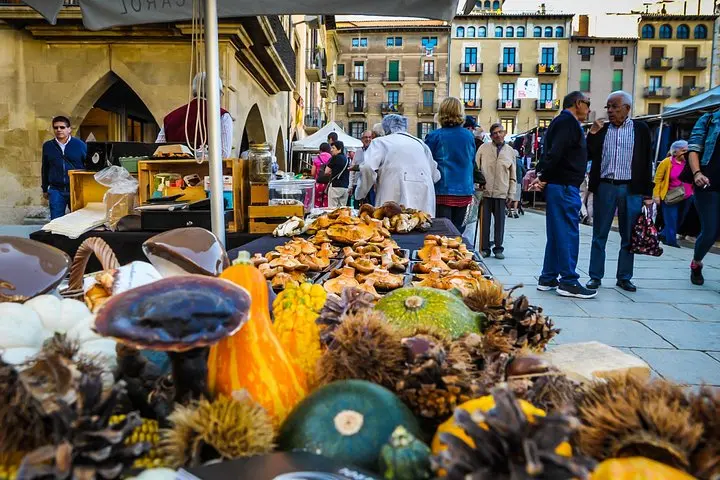
You step out of Barcelona's morning hum and into a minivan that eases northward, the city shrinking behind stone facades and palm trees. Within an hour the road climbs; pine and oak give way to sharper ridgelines and the air cools. By midmorning you're in Vic's arched market square, tracing Roman and medieval stones before the van threads higher toward Queralbs and the rack railway that claws up to Vall de Núria.
Verified experiences and guided adventures in the surrounding area.
Operated by Explore Catalunya · Barcelona, Catalonia
You step out of Barcelona's morning hum and into a minivan that eases northward, the city shrinking behind stone facades and palm trees. Within an hour the road climbs; pine and oak give way to sharper ridgelines and the air cools. By midmorning you're in Vic's arched market square, tracing Roman and medieval stones before the van threads higher toward Queralbs and the rack railway that claws up to Vall de Núria.
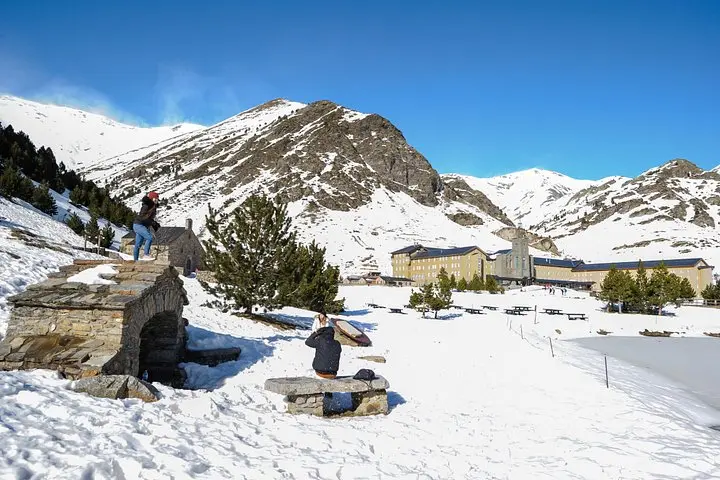
The Pyrenees here are young, folded rock that pushes skyward in serrated ridges. Human history is layered too: Vic's Roman temple and cathedral reflect waves of trade and faith, while Nuria is famous for its sanctuary and mountain pastoralism—shepherd routes and seasonal grazing shaped trails you now walk. Local culture is blunt and practical: Catalan mountain cuisine, horse stables, and pocket-sized villages built of weathered stone.
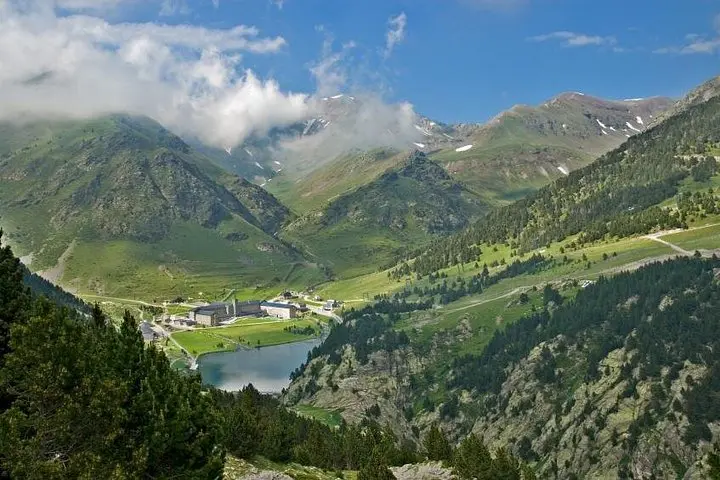
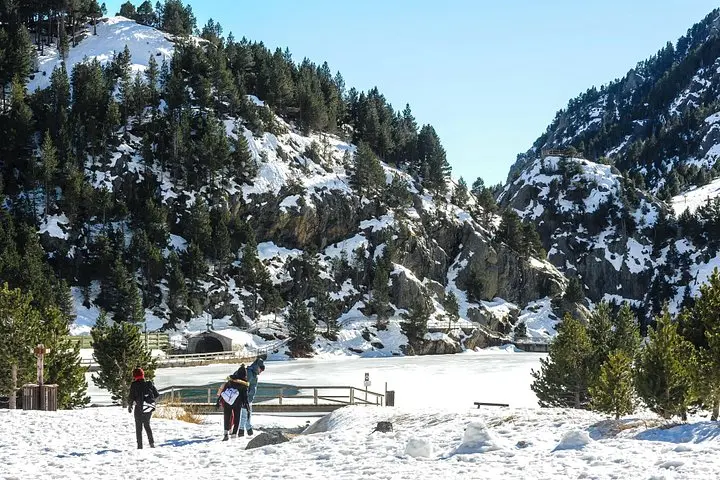
Expect varied terrain: paved streets in Vic, narrow cobbled lanes in Queralbs, and grassy pastures and marked footpaths in the valley. The rack railway rises roughly 600–800 meters, depositing you near a 1,950‑metre bowl ringed by peaks. Trail options range from short lakeside loops to steeper routes into Coma de Vaca; choose based on time and fitness.
Practical edge: bring layered clothing for sudden temperature swings, sturdy footwear for uneven trails, and enough water for several hours outdoors. The day is long—plan for an 11‑hour outing—so snacks, sunscreen, and a charged phone for photos and emergency contact are smart choices. Guides handle logistics; you handle steady pacing and respect for the fragile alpine landscape.
Meet at the operator's office across from Palau de la Música in central Barcelona; the tour returns to the same general area or Plaça Catalunya depending on traffic.
Options range from easy lakeside strolls to steeper alpine routes like Coma de Vaca; a reasonable level of fitness is recommended for longer trails.
Meals and optional activities such as horse riding or boating in Núria are at your own expense; the tour includes transportation and an English‑speaking guide.
The tour is family‑friendly but not recommended for children under 5; infants and strollers are accommodated on the bus but mountain activities vary by age and ability.
Explore Catalunya operates guided outdoor trips and adventures with an emphasis on safety, stewardship, and memorable experiences.
You step out of Barcelona's morning hum and into a minivan that eases northward, the city shrinking behind stone facades and palm trees. Within an hour the road climbs; pine and oak give way to sharper ridgelines and the air cools. By midmorning you're in Vic's arched market square, tracing Roman and medieval stones before the van threads higher toward Queralbs and the rack railway that claws up to Vall de Núria.
You step out of Barcelona's morning hum and into a minivan that eases northward, the city shrinking behind stone facades and palm trees. Within an hour the road climbs; pine and oak give way to sharper ridgelines and the air cools. By midmorning you're in Vic's arched market square, tracing Roman and medieval stones before the van threads higher toward Queralbs and the rack railway that claws up to Vall de Núria.
The Pyrenees here are young, folded rock that pushes skyward in serrated ridges. Human history is layered too: Vic's Roman temple and cathedral reflect waves of trade and faith, while Nuria is famous for its sanctuary and mountain pastoralism—shepherd routes and seasonal grazing shaped trails you now walk. Local culture is blunt and practical: Catalan mountain cuisine, horse stables, and pocket-sized villages built of weathered stone.
Expect varied terrain: paved streets in Vic, narrow cobbled lanes in Queralbs, and grassy pastures and marked footpaths in the valley. The rack railway rises roughly 600–800 meters, depositing you near a 1,950‑metre bowl ringed by peaks. Trail options range from short lakeside loops to steeper routes into Coma de Vaca; choose based on time and fitness.
Practical edge: bring layered clothing for sudden temperature swings, sturdy footwear for uneven trails, and enough water for several hours outdoors. The day is long—plan for an 11‑hour outing—so snacks, sunscreen, and a charged phone for photos and emergency contact are smart choices. Guides handle logistics; you handle steady pacing and respect for the fragile alpine landscape.