THE ADVENTURE COLLECTIVE® · Independent discovery and booking for outdoor travel

Escape Krakow for a day of highland culture, panoramic Tatra views and soothing thermal pools. This private trip combines easy sightseeing in Zakopane with a relaxing visit to Chochołowskie Baths.
Escape Krakow for a day of highland culture, panoramic Tatra views and soothing thermal pools. This private trip combines easy sightseeing in Zakopane with a relaxing visit to Chochołowskie Baths.
You leave Krakow before the city has fully woken, the minivan easing onto the road as the low Tatras begin to assert themselves on the horizon. Two hours later the air sharpens; Gubałówka’s ridgeline slices the sky and the town of Zakopane spreads across a high valley at roughly 800–1,000 m elevation. You move from streets of carved wood and highland markets to open viewpoints where the Tatra peaks—grey limestone and granite—push upward like a boundary the weather tests daily.
Verified experiences and guided adventures in the surrounding area.
Operated by Poland Active · Zakopane, Lesser Poland Voivodeship
You leave Krakow before the city has fully woken, the minivan easing onto the road as the low Tatras begin to assert themselves on the horizon. Two hours later the air sharpens; Gubałówka’s ridgeline slices the sky and the town of Zakopane spreads across a high valley at roughly 800–1,000 m elevation. You move from streets of carved wood and highland markets to open viewpoints where the Tatra peaks—grey limestone and granite—push upward like a boundary the weather tests daily.
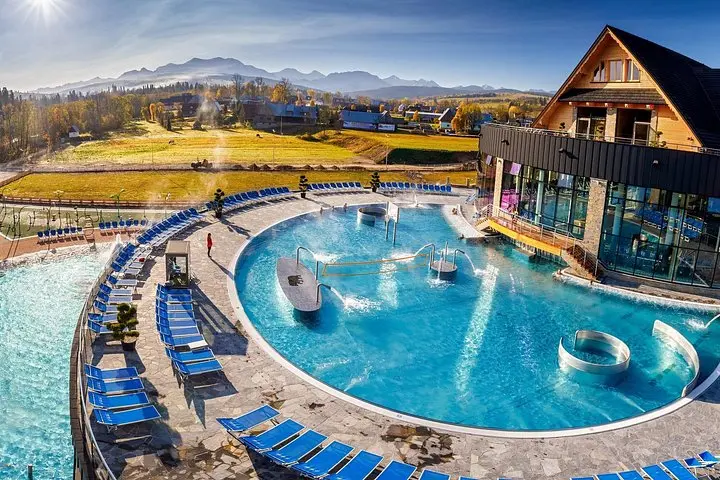
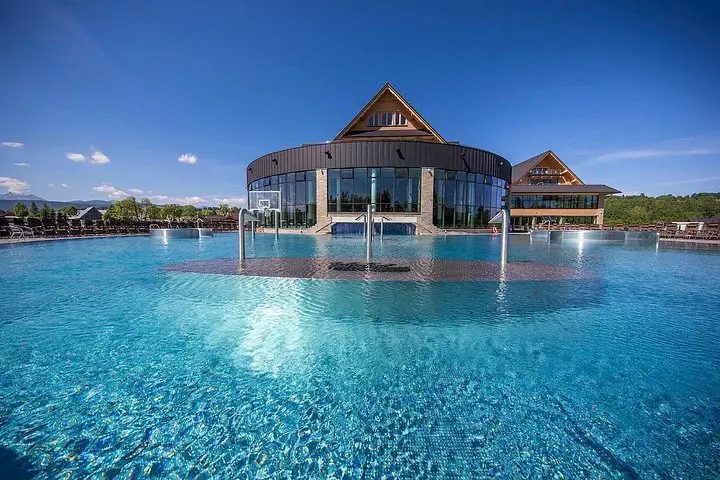
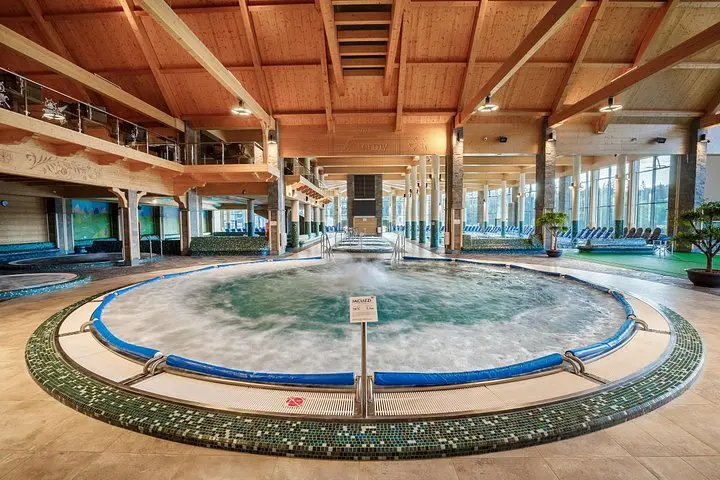
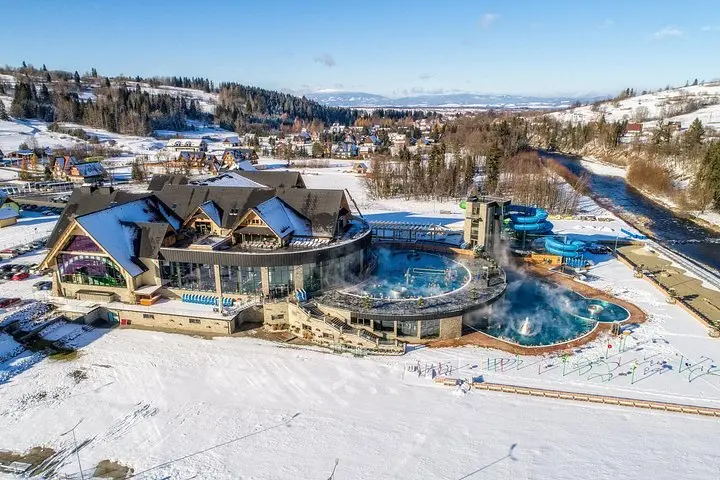
Zakopane is the cultural heart of Poland’s highlanders (Górale); its distinctive Zakopane architectural style was shaped in the late 19th century by artist Stanisław Witkiewicz. Geologically the High Tatras are the highest part of the Carpathians, with jagged summits such as Giewont (1,894 m) and Kasprowy Wierch (1,987 m) visible from valley lookouts. The itinerary mixes town history—Krupówki street, Krzeptówki sanctuary, Pęksowy Brzyzek cemetery—with a stop in Chochołów to see wooden cottages and a soak at Chochołowskie Baths.
Expect easy walking on paved streets and short uphill sections to viewpoints; no technical hiking required. Thermal pools here are rich in minerals and designed for relaxation after sightseeing—bring swimwear and a towel. Practical: leave early, bring layered clothing for mountain sun and sudden wind, carry water and cash for local snacks like smoked oscypek. If you want a quieter view, turn away from Krupówki toward the small lanes behind Krzeptówki to find photographers’ angles and quieter benches.
Expect roughly a 2-hour drive each way depending on traffic; the operator typically schedules the day to allow 3–4 hours in Zakopane plus the thermal visit.
Yes—Chochołowskie Baths have family-friendly pools and shallow areas, but check age restrictions and bring appropriate swim gear for kids.
No—this tour focuses on sightseeing around Zakopane and visiting thermal baths; it does not include guided mountain hikes into the Tatra National Park.
Tipping is appreciated but not mandatory; a small gratuity for good service (5–10% or a few euros) is customary.
Poland Active operates guided outdoor trips and adventures with an emphasis on safety, stewardship, and memorable experiences.
You leave Krakow before the city has fully woken, the minivan easing onto the road as the low Tatras begin to assert themselves on the horizon. Two hours later the air sharpens; Gubałówka’s ridgeline slices the sky and the town of Zakopane spreads across a high valley at roughly 800–1,000 m elevation. You move from streets of carved wood and highland markets to open viewpoints where the Tatra peaks—grey limestone and granite—push upward like a boundary the weather tests daily.
You leave Krakow before the city has fully woken, the minivan easing onto the road as the low Tatras begin to assert themselves on the horizon. Two hours later the air sharpens; Gubałówka’s ridgeline slices the sky and the town of Zakopane spreads across a high valley at roughly 800–1,000 m elevation. You move from streets of carved wood and highland markets to open viewpoints where the Tatra peaks—grey limestone and granite—push upward like a boundary the weather tests daily.
Zakopane is the cultural heart of Poland’s highlanders (Górale); its distinctive Zakopane architectural style was shaped in the late 19th century by artist Stanisław Witkiewicz. Geologically the High Tatras are the highest part of the Carpathians, with jagged summits such as Giewont (1,894 m) and Kasprowy Wierch (1,987 m) visible from valley lookouts. The itinerary mixes town history—Krupówki street, Krzeptówki sanctuary, Pęksowy Brzyzek cemetery—with a stop in Chochołów to see wooden cottages and a soak at Chochołowskie Baths.
Expect easy walking on paved streets and short uphill sections to viewpoints; no technical hiking required. Thermal pools here are rich in minerals and designed for relaxation after sightseeing—bring swimwear and a towel. Practical: leave early, bring layered clothing for mountain sun and sudden wind, carry water and cash for local snacks like smoked oscypek. If you want a quieter view, turn away from Krupówki toward the small lanes behind Krzeptówki to find photographers’ angles and quieter benches.