THE ADVENTURE COLLECTIVE® · Independent discovery and booking for outdoor travel

Cross Lake Titicaca to visit the reed-built Uros islands and the UNESCO-recognized textile community on Taquile. This half-day from Puno mixes boat time, moderate walking, and close cultural encounters with high-altitude practicalities.
Cross Lake Titicaca to visit the reed-built Uros islands and the UNESCO-recognized textile community on Taquile. This half-day from Puno mixes boat time, moderate walking, and close cultural encounters with high-altitude practicalities.
You step off the motorboat into a lattice of reeds that rock like a patient breath; the lake seems to push and release beneath your boots. Morning light scrapes the Andes ridgelines and the guides from the Uros islands explain how families bind layers of totora to create living platforms that rise and settle with the water.
Verified experiences and guided adventures in the surrounding area.
Operated by America Viajes · Puno, Puno
You step off the motorboat into a lattice of reeds that rock like a patient breath; the lake seems to push and release beneath your boots. Morning light scrapes the Andes ridgelines and the guides from the Uros islands explain how families bind layers of totora to create living platforms that rise and settle with the water.
Lake Titicaca sits at about 3,812 m — its geology a high-altitude basin carved by tectonic uplift and glacial action. The Uros are engineered habitations: reed foundations, reed houses, reed boats — a practical culture shaped by materials at hand. A short return to the boat carries you to Taquile, where terraced stone paths climb to a plaza dominated by hand-woven textile traditions recognized by UNESCO. Here weaving is more than craft; it encodes community roles, patterns of exchange and centuries of Aymara and Quechua influence.
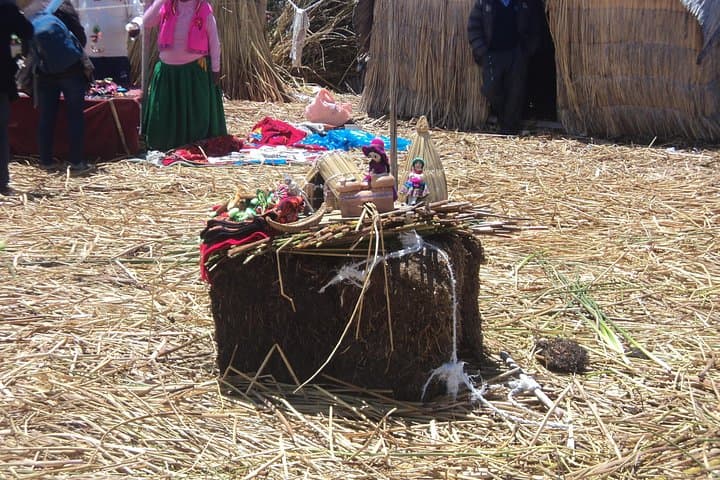
Expect uneven stone steps on Taquile, the air thin and bright, and a lunch of fresh trucha and quinoa soup served lakeside. Guides demonstrate reed construction and village life; vendors sell hats and belts woven on backstrap looms.
Practical edge: acclimatize in Puno before booking, carry sun protection and layers, and bring small bills for purchases — cards are rare. Wear grippy shoes for the plaza’s cobbles and prepare for intermittent wind on open water. The trip fits a half-day window but rewards a pace that watches both technique and landscape — a compact cultural immersion on South America’s highest navigable lake.
Boat legs are typically 20–45 minutes each: a short crossing to Uros and a longer stretch to Taquile depending on water and route.
Many children and older adults join, but participants should manage steps and altitude; inform the operator about mobility limits.
Yes — there’s a visit to Taquile’s textile cooperative and time in the plaza for purchases; bring small bills for exact change.
Yes — operators commonly offer a vegetarian option (eggs/omelette) if requested in advance or at booking.
America Viajes operates guided outdoor trips and adventures with an emphasis on safety, stewardship, and memorable experiences.
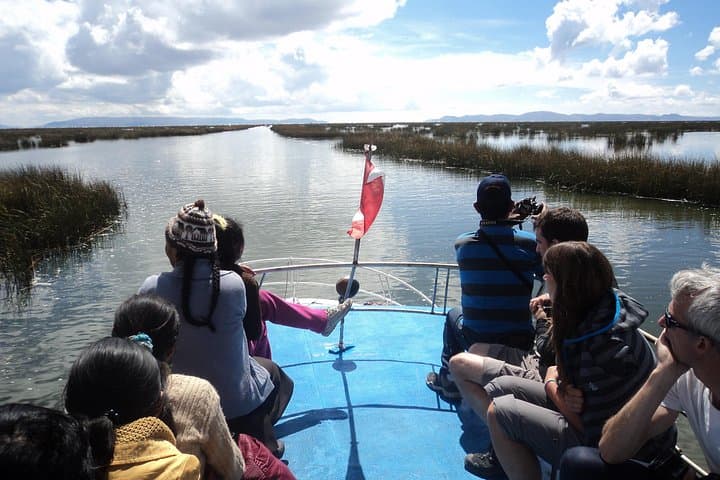
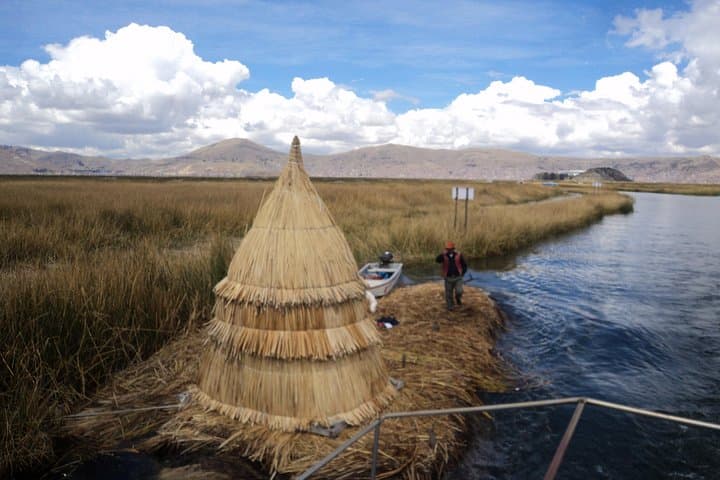
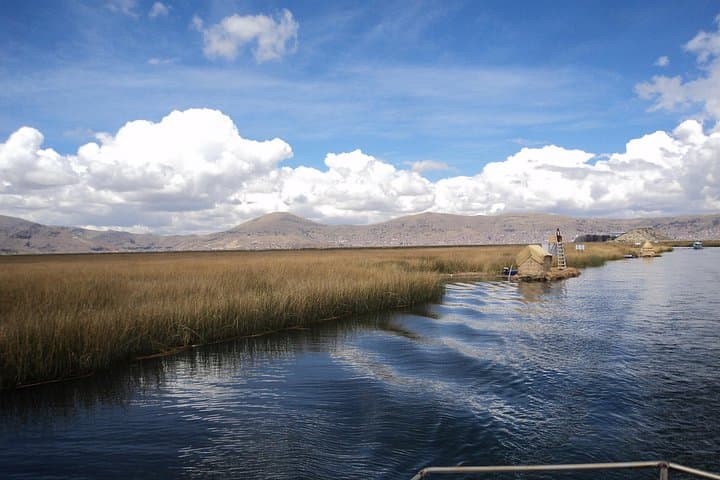
You step off the motorboat into a lattice of reeds that rock like a patient breath; the lake seems to push and release beneath your boots. Morning light scrapes the Andes ridgelines and the guides from the Uros islands explain how families bind layers of totora to create living platforms that rise and settle with the water.
You step off the motorboat into a lattice of reeds that rock like a patient breath; the lake seems to push and release beneath your boots. Morning light scrapes the Andes ridgelines and the guides from the Uros islands explain how families bind layers of totora to create living platforms that rise and settle with the water.
Lake Titicaca sits at about 3,812 m — its geology a high-altitude basin carved by tectonic uplift and glacial action. The Uros are engineered habitations: reed foundations, reed houses, reed boats — a practical culture shaped by materials at hand. A short return to the boat carries you to Taquile, where terraced stone paths climb to a plaza dominated by hand-woven textile traditions recognized by UNESCO. Here weaving is more than craft; it encodes community roles, patterns of exchange and centuries of Aymara and Quechua influence.
Expect uneven stone steps on Taquile, the air thin and bright, and a lunch of fresh trucha and quinoa soup served lakeside. Guides demonstrate reed construction and village life; vendors sell hats and belts woven on backstrap looms.
Practical edge: acclimatize in Puno before booking, carry sun protection and layers, and bring small bills for purchases — cards are rare. Wear grippy shoes for the plaza’s cobbles and prepare for intermittent wind on open water. The trip fits a half-day window but rewards a pace that watches both technique and landscape — a compact cultural immersion on South America’s highest navigable lake.