THE ADVENTURE COLLECTIVE® · Independent discovery and booking for outdoor travel

Spend a day outside Bangkok observing elephants cared for under an ethical sanctuary model near Pattaya. Learn feeding practices, mahout traditions, and conservation principles while participating in low-impact interactions and a traditional Thai meal.
Spend a day outside Bangkok observing elephants cared for under an ethical sanctuary model near Pattaya. Learn feeding practices, mahout traditions, and conservation principles while participating in low-impact interactions and a traditional Thai meal.
Morning light slants through tamarind and eucalyptus as a convoy leaves Bangkok toward Pattaya, and the day’s purpose becomes clear: time with elephants that are managed for welfare, not show. Arriving at the sanctuary, visitors meet mahouts whose knowledge of temperament and care frames every interaction—feeding, observing social cues, and watching the animals wallow in mud and water.
Verified experiences and guided adventures in the surrounding area.
Operated by Trips Planners · Pattaya, Chonburi
Morning light slants through tamarind and eucalyptus as a convoy leaves Bangkok toward Pattaya, and the day’s purpose becomes clear: time with elephants that are managed for welfare, not show. Arriving at the sanctuary, visitors meet mahouts whose knowledge of temperament and care frames every interaction—feeding, observing social cues, and watching the animals wallow in mud and water.
Thailand’s relationship with elephants is long and complex: working companions, cultural symbols, and, in recent decades, subjects of conservation reform. The sanctuary model here grew as an alternative to riding and performance, prioritizing rehabilitation and natural behavior. Geologically the area around Pattaya is low coastal plain with limestone outcrops nearby; the sanctuary sits on grassy paddocks and shaded river bends rather than steep terrain, so the focus is on animal welfare more than rugged landscapes.
Culturally, mahout stories and traditional herbal diets are part of the visit—guides often explain how plant-based supplements and seasonal fruits fit into an elephant’s routine. Expect to learn about feeding strategies, age-related behavior, and how rescues are integrated into larger conservation efforts.
Practically: the program runs about eight hours with hotel pickup in Bangkok (private) and group transfer from Pattaya. Wear neutral, breathable clothing and shoes that can get muddy; plan for sun and rain depending on the season. Bring a refillable water bottle, sunscreen, and small cash for optional donations or tips. Follow guides’ instructions closely—interaction protocols protect both visitors and elephants and are the core of an ethical experience.
No; ethical sanctuaries featured on this tour do not allow riding or performances—interactions are limited to feeding, walking beside, and observing natural behaviors.
The full program is approximately eight hours and includes a traditional Thai lunch and seasonal fruits as part of the visit.
Children are welcome but infants must sit on an adult’s lap; the tour is physically easy but supervision is required near large animals.
Yes—private pickup from Bangkok hotels is provided; Pattaya pickup is typically a group transfer as noted in the booking details.
Trips Planners operates guided outdoor trips and adventures with an emphasis on safety, stewardship, and memorable experiences.
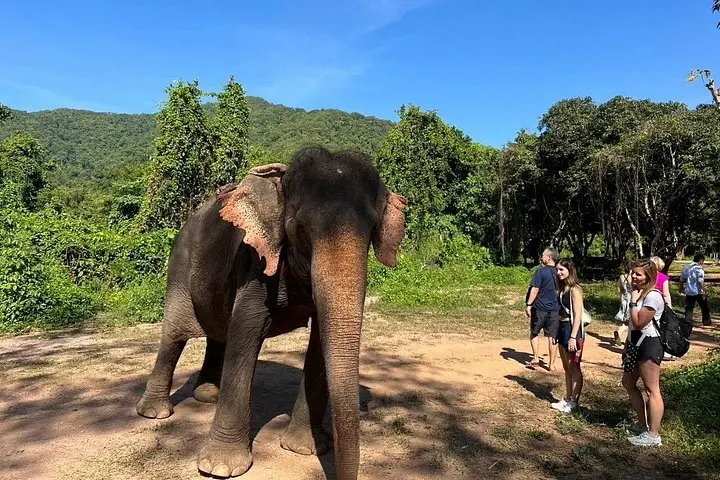
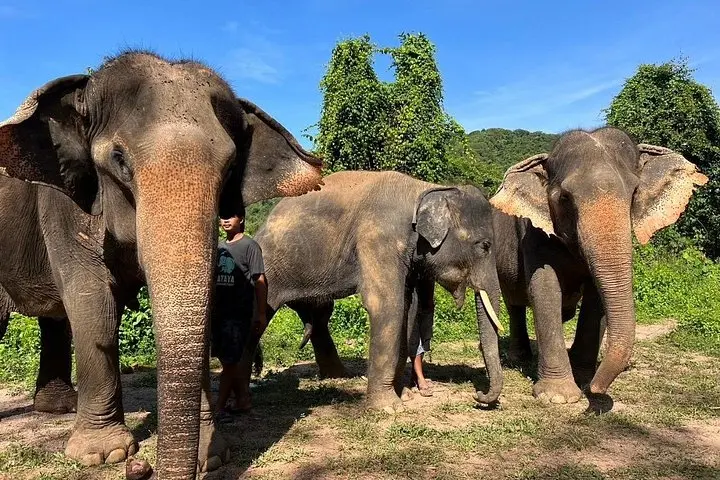
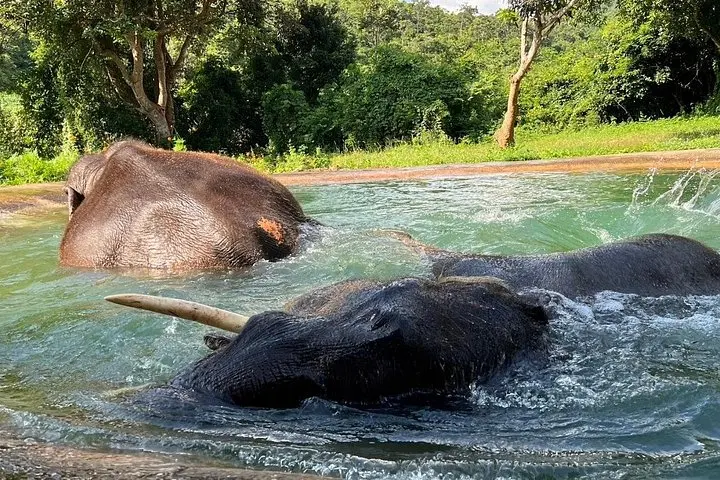
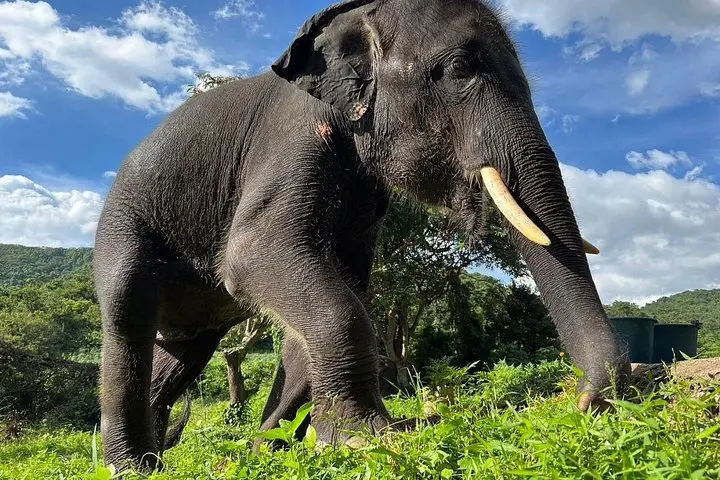
Morning light slants through tamarind and eucalyptus as a convoy leaves Bangkok toward Pattaya, and the day’s purpose becomes clear: time with elephants that are managed for welfare, not show. Arriving at the sanctuary, visitors meet mahouts whose knowledge of temperament and care frames every interaction—feeding, observing social cues, and watching the animals wallow in mud and water.
Morning light slants through tamarind and eucalyptus as a convoy leaves Bangkok toward Pattaya, and the day’s purpose becomes clear: time with elephants that are managed for welfare, not show. Arriving at the sanctuary, visitors meet mahouts whose knowledge of temperament and care frames every interaction—feeding, observing social cues, and watching the animals wallow in mud and water.
Thailand’s relationship with elephants is long and complex: working companions, cultural symbols, and, in recent decades, subjects of conservation reform. The sanctuary model here grew as an alternative to riding and performance, prioritizing rehabilitation and natural behavior. Geologically the area around Pattaya is low coastal plain with limestone outcrops nearby; the sanctuary sits on grassy paddocks and shaded river bends rather than steep terrain, so the focus is on animal welfare more than rugged landscapes.
Culturally, mahout stories and traditional herbal diets are part of the visit—guides often explain how plant-based supplements and seasonal fruits fit into an elephant’s routine. Expect to learn about feeding strategies, age-related behavior, and how rescues are integrated into larger conservation efforts.
Practically: the program runs about eight hours with hotel pickup in Bangkok (private) and group transfer from Pattaya. Wear neutral, breathable clothing and shoes that can get muddy; plan for sun and rain depending on the season. Bring a refillable water bottle, sunscreen, and small cash for optional donations or tips. Follow guides’ instructions closely—interaction protocols protect both visitors and elephants and are the core of an ethical experience.