THE ADVENTURE COLLECTIVE® · Independent discovery and booking for outdoor travel

A half-day boat trip from Muscat to the Daymaniyat Islands lets snorkelers float above vibrant coral gardens and often meet sea turtles and tropical fish. Guides provide gear, lunch, and local knowledge on this accessible marine reserve adventure.
A half-day boat trip from Muscat to the Daymaniyat Islands lets snorkelers float above vibrant coral gardens and often meet sea turtles and tropical fish. Guides provide gear, lunch, and local knowledge on this accessible marine reserve adventure.
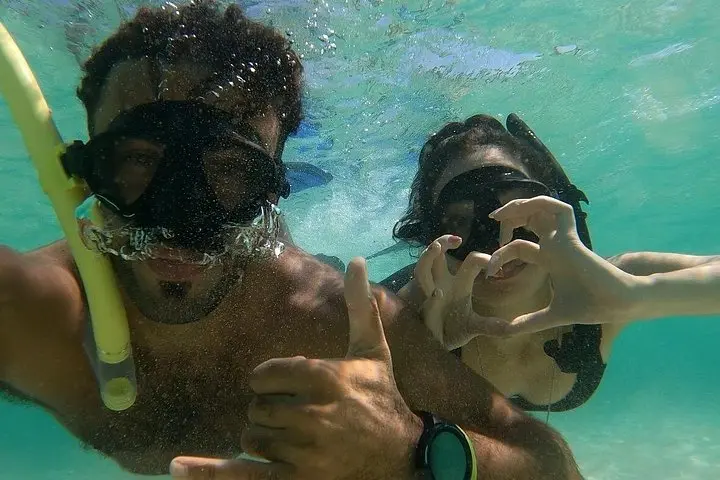
The skiff cuts a bright line across the Gulf of Oman and the Daymaniyat Islands rise like stony atolls ahead, their calcareous cliffs catching the sun. Salt-and-wind air pushes against your face as guides issue masks and fins; the turquoise water below promises sudden flashes of color — parrotfish, wrasse, and the slow silhouette of a hawksbill turtle curious about visitors.
Verified experiences and guided adventures in the surrounding area.
Operated by Yousuf Almaqbali · Muscat, Muscat Governorate
The skiff cuts a bright line across the Gulf of Oman and the Daymaniyat Islands rise like stony atolls ahead, their calcareous cliffs catching the sun. Salt-and-wind air pushes against your face as guides issue masks and fins; the turquoise water below promises sudden flashes of color — parrotfish, wrasse, and the slow silhouette of a hawksbill turtle curious about visitors.
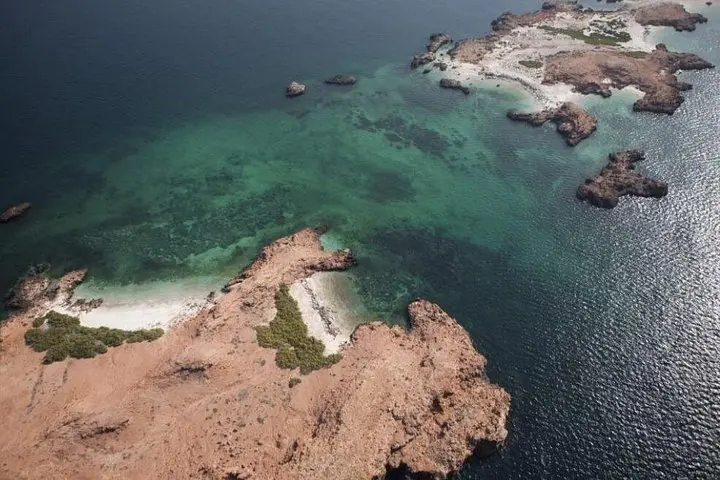
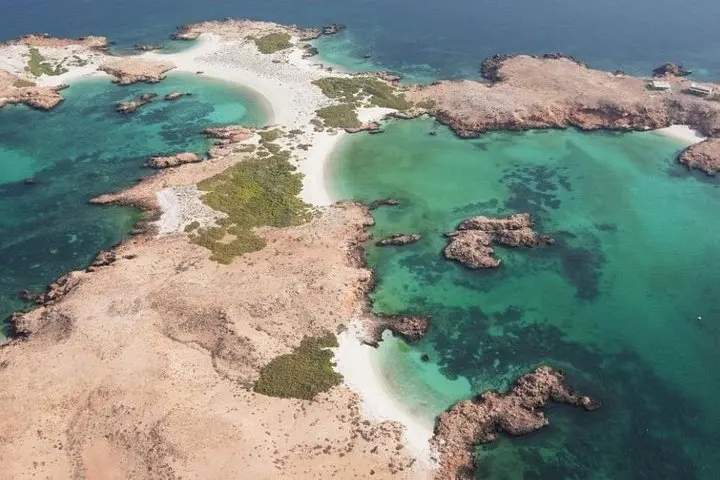
Geologically the islands are limestone outcrops shaped by millennia of wave action; their shallow reefs shelter hard and soft corals and are an important stopover for migratory marine life. Historically, Muscat’s coastline is threaded with seafaring tradition — pearl diving and coastal trade have long linked these shores to wider Indian Ocean routes, and local guides often point out old anchorage points as you leave the mainland.
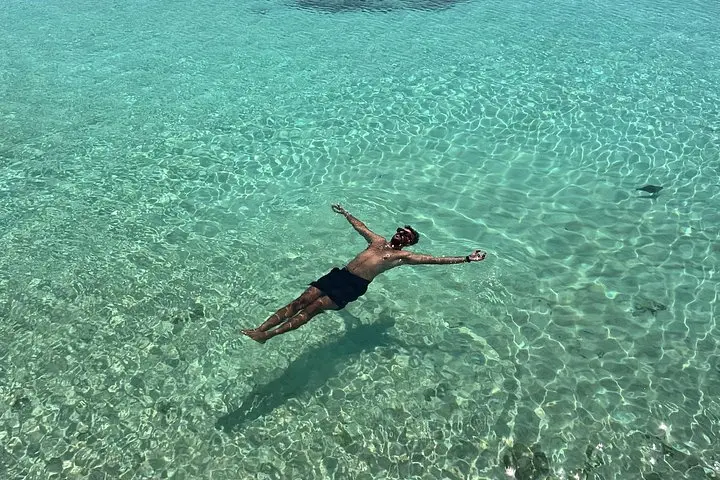
On the water, expect clear visibility in calmer months, scattered reef bommies, and shallow lagoons ideal for beginner snorkelers. Guides lead short swims between productive patches, pointing out reef structures and teaching simple low-impact viewing etiquette.
Practical guidance: arrive with reef-safe sunscreen, a hat, and a light cover-up for the boat. Wear fins for easier paddling and keep a small waterproof bag for essentials. Hydrate before departure — the sun is intense even with sea breeze. Tours generally run four hours, include lunch and gear, and are suitable for most fitness levels; non-swimmers can use flotation vests.
Timing trips for early morning increases chances of calm seas and better visibility. Respect closure signs — the islands are a protected reserve and small actions make a big difference to fragile coral and nesting turtles.
Ride time varies by launch point and sea conditions but typically ranges from 30 to 60 minutes each way.
Yes — snorkelers frequently see colorful reef fish, moray eels, and sea turtles; encounters with larger species like whale sharks are rare but possible seasonally.
Yes; guides provide flotation devices and short, supervised swims, but non-swimmers should notify the operator and stay within guided zones.
Yes; personal masks and snorkels are usually allowed and can improve comfort and fit, though rental gear is provided if needed.
Yousuf Almaqbali operates guided outdoor trips and adventures with an emphasis on safety, stewardship, and memorable experiences.
The skiff cuts a bright line across the Gulf of Oman and the Daymaniyat Islands rise like stony atolls ahead, their calcareous cliffs catching the sun. Salt-and-wind air pushes against your face as guides issue masks and fins; the turquoise water below promises sudden flashes of color — parrotfish, wrasse, and the slow silhouette of a hawksbill turtle curious about visitors.
The skiff cuts a bright line across the Gulf of Oman and the Daymaniyat Islands rise like stony atolls ahead, their calcareous cliffs catching the sun. Salt-and-wind air pushes against your face as guides issue masks and fins; the turquoise water below promises sudden flashes of color — parrotfish, wrasse, and the slow silhouette of a hawksbill turtle curious about visitors.
Geologically the islands are limestone outcrops shaped by millennia of wave action; their shallow reefs shelter hard and soft corals and are an important stopover for migratory marine life. Historically, Muscat’s coastline is threaded with seafaring tradition — pearl diving and coastal trade have long linked these shores to wider Indian Ocean routes, and local guides often point out old anchorage points as you leave the mainland.
On the water, expect clear visibility in calmer months, scattered reef bommies, and shallow lagoons ideal for beginner snorkelers. Guides lead short swims between productive patches, pointing out reef structures and teaching simple low-impact viewing etiquette.
Practical guidance: arrive with reef-safe sunscreen, a hat, and a light cover-up for the boat. Wear fins for easier paddling and keep a small waterproof bag for essentials. Hydrate before departure — the sun is intense even with sea breeze. Tours generally run four hours, include lunch and gear, and are suitable for most fitness levels; non-swimmers can use flotation vests.
Timing trips for early morning increases chances of calm seas and better visibility. Respect closure signs — the islands are a protected reserve and small actions make a big difference to fragile coral and nesting turtles.