THE ADVENTURE COLLECTIVE® · Independent discovery and booking for outdoor travel

Feel the engines before you reach the stands: attending the Daytona 500 is a full-day spectacle of speed, crowd energy, and careful logistics. This guide covers what to expect—from transport and seating options to weather policies and gear—to help you arrive ready for race day.
Feel the engines before you reach the stands: attending the Daytona 500 is a full-day spectacle of speed, crowd energy, and careful logistics. This guide covers what to expect—from transport and seating options to weather policies and gear—to help you arrive ready for race day.
The roar reaches you long before you see the track: a low, mechanical ocean rolling over grandstands and spilling into the Florida sky. Arriving at Daytona International Speedway for the Daytona 500 is sensory and strategic — engines vibration, vendor smells, and a crowd arranged like a living grid around the 2.5-mile high-banked oval.
Verified experiences and guided adventures in the surrounding area.
Operated by Gray Line of Orlando · Daytona Beach, Florida
The roar reaches you long before you see the track: a low, mechanical ocean rolling over grandstands and spilling into the Florida sky. Arriving at Daytona International Speedway for the Daytona 500 is sensory and strategic — engines vibration, vendor smells, and a crowd arranged like a living grid around the 2.5-mile high-banked oval.
Since the inaugural Daytona 500 in 1959, the Speedway has been central to American motorsport culture; the concrete bowl sits on coastal sands carved by ancient sea levels and modern development, linking racing lore to the Daytona Beach shoreline lifestyle. The UNOH Fanzone and Daytona Rising grandstands concentrate pre-race access and modern sightlines, while the town of Daytona Beach supplies the hospitality and beach breaks that bookend the race day.
Practically, expect a long day: this tour includes round-trip coach transport and options for seats in Daytona Rising (section 116, rows 1–10) or transportation-only. Buses provide a stress-free way to reach the venue from Orlando-area pickup points, but be prepared for weather contingencies; NASCAR holds races through rain delays and transport may be affected.
Plan for heat, noise, and crowded concourses. Bring sun protection, ear protection, and a compact daypack; wear sturdy shoes for walking between lots and cheering from metal seats. Arrive early for traffic and security screening, use mobile tickets or printed copies, and know that sales are final — review cancellation rules before booking.
For fans, the Daytona 500 combines high-speed spectacle with practical logistics: organize transportation, respect venue rules, and time your arrival to make the most of pre-race access and the fan zones.
Yes — the tour offers round-trip coach transport from designated Orlando-area pickup points; confirm your selected pickup when booking.
NASCAR may delay or postpone; buses can be held at the Speedway during delays and admission tickets are typically valid for rescheduled dates—check operator policy for transport fees related to rescheduling.
Children may attend; infants sometimes must sit on laps per operator rules — ticketing options vary, so review age and seating requirements when booking.
Concessions are widely available; outside food and beverages are subject to venue restrictions, so check Daytona International Speedway policy before bringing items.
Gray Line of Orlando operates guided outdoor trips and adventures with an emphasis on safety, stewardship, and memorable experiences.
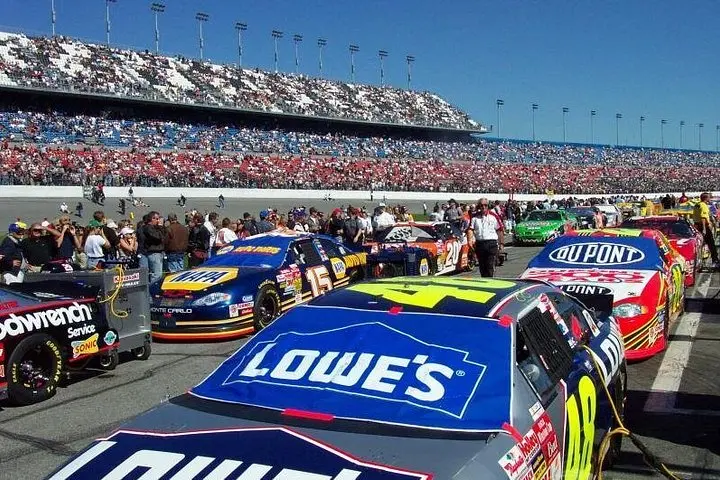
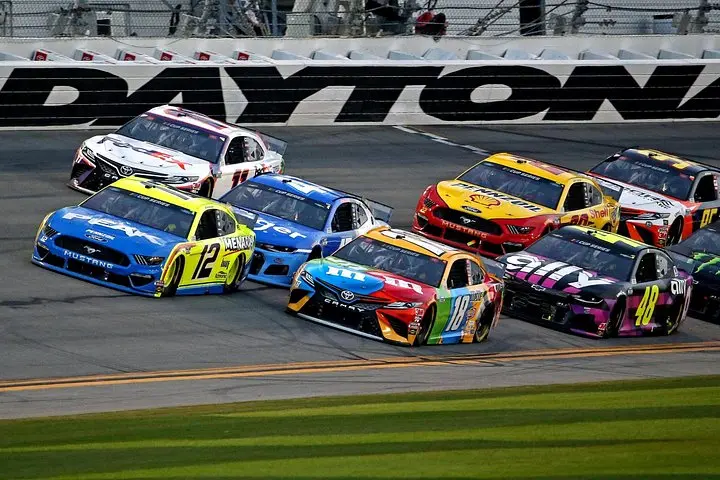
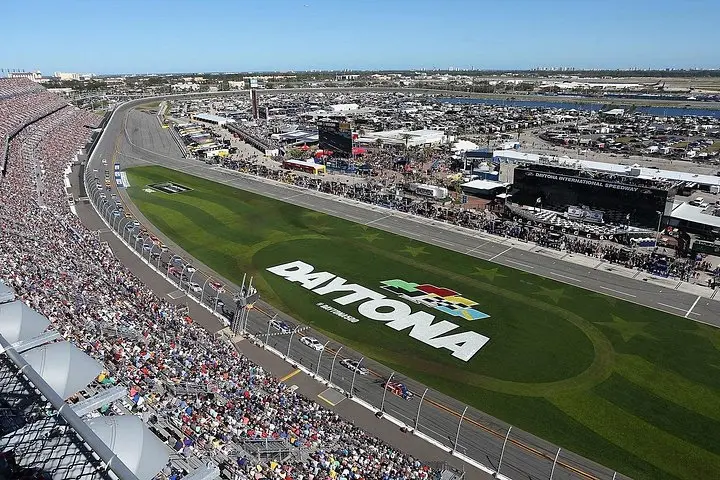
The roar reaches you long before you see the track: a low, mechanical ocean rolling over grandstands and spilling into the Florida sky. Arriving at Daytona International Speedway for the Daytona 500 is sensory and strategic — engines vibration, vendor smells, and a crowd arranged like a living grid around the 2.5-mile high-banked oval.
The roar reaches you long before you see the track: a low, mechanical ocean rolling over grandstands and spilling into the Florida sky. Arriving at Daytona International Speedway for the Daytona 500 is sensory and strategic — engines vibration, vendor smells, and a crowd arranged like a living grid around the 2.5-mile high-banked oval.
Since the inaugural Daytona 500 in 1959, the Speedway has been central to American motorsport culture; the concrete bowl sits on coastal sands carved by ancient sea levels and modern development, linking racing lore to the Daytona Beach shoreline lifestyle. The UNOH Fanzone and Daytona Rising grandstands concentrate pre-race access and modern sightlines, while the town of Daytona Beach supplies the hospitality and beach breaks that bookend the race day.
Practically, expect a long day: this tour includes round-trip coach transport and options for seats in Daytona Rising (section 116, rows 1–10) or transportation-only. Buses provide a stress-free way to reach the venue from Orlando-area pickup points, but be prepared for weather contingencies; NASCAR holds races through rain delays and transport may be affected.
Plan for heat, noise, and crowded concourses. Bring sun protection, ear protection, and a compact daypack; wear sturdy shoes for walking between lots and cheering from metal seats. Arrive early for traffic and security screening, use mobile tickets or printed copies, and know that sales are final — review cancellation rules before booking.
For fans, the Daytona 500 combines high-speed spectacle with practical logistics: organize transportation, respect venue rules, and time your arrival to make the most of pre-race access and the fan zones.