THE ADVENTURE COLLECTIVE® · Independent discovery and booking for outdoor travel

Walk four hours through Dazaifu’s living history: government-ruins plains, serene temple sculptures, and the famed Tenmangu Shrine dedicated to learning. This guided tour balances quiet shrine visits with museum context and practical local tips.
Walk four hours through Dazaifu’s living history: government-ruins plains, serene temple sculptures, and the famed Tenmangu Shrine dedicated to learning. This guided tour balances quiet shrine visits with museum context and practical local tips.
A cool morning breeze carries the clack of wooden geta and the rustle of pine needles as you step from Dazaifu Station onto the approach road toward Tenmangu. Lanterns lean like weathered sentinels along cedar-lined paths; the air smells faintly of incense and grilled mochi from stall vendors. The tour moves at a measured pace — a walking pilgrimage through layers of time where stone foundations and quiet courtyards speak as loudly as the guide’s calm narration.
Verified experiences and guided adventures in the surrounding area.
Operated by DeepExperience · Dazaifu, Fukuoka Prefecture
A cool morning breeze carries the clack of wooden geta and the rustle of pine needles as you step from Dazaifu Station onto the approach road toward Tenmangu. Lanterns lean like weathered sentinels along cedar-lined paths; the air smells faintly of incense and grilled mochi from stall vendors. The tour moves at a measured pace — a walking pilgrimage through layers of time where stone foundations and quiet courtyards speak as loudly as the guide’s calm narration.
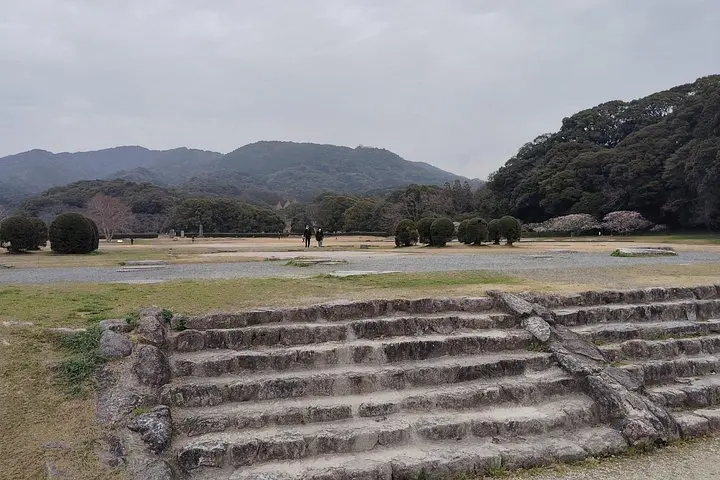
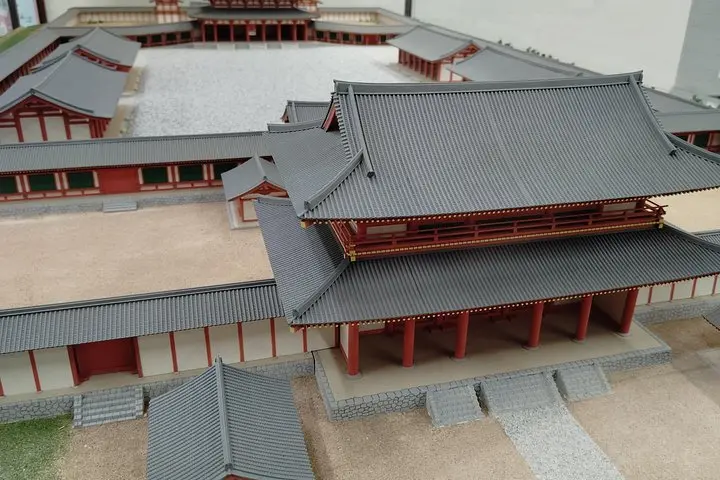
Dazaifu served as Kyushu’s administrative center for centuries; its government office ruins mark where provincial power once concentrated. The area’s low plains and gentle hills reflect Pleistocene river terraces rather than dramatic geology, but the human story here is deep: Sugawara no Michizane’s elevation to Tenjin shaped a spiritual culture that still draws students and pilgrims. Kanzeonji and smaller shrines preserve Buddhist sculpture, garden design, and ritual practice that illuminate Japan’s religious and civic evolution.
Practically, expect easy walking on paved and compacted paths, multiple short stops for interpretation, and photo opportunities at gates, ponds, and museum exhibits. The tour includes a fluent Japanese-speaking guide and visits to museum spaces; shrine donations and small purchases may be cash-only. Mornings and weekdays reduce crowds; late spring and autumn offer the best light for photos. Bring comfortable shoes, a light jacket, and an extra battery for your camera — the details in carved wood and mossy stones reward slow attention.
The itinerary includes admission to the Dazaifu Government Office Ruins and Kanzeonji Museum; shrine visits (Tenmangu, Tenkai Inari) typically do not require paid entry.
It’s about 30–40 minutes by train — take the Nishitetsu lines or JR to Futsukaichi and transfer to the Dazaifu line to reach Dazaifu Station.
Yes; the tour is rated physically easy with short walks and regular stops, but notify the operator of mobility needs when booking.
Outdoor photography is generally fine; some museum exhibits and interior temple spaces may restrict flash or photography — follow posted signs and guide instructions.
DeepExperience operates guided outdoor trips and adventures with an emphasis on safety, stewardship, and memorable experiences.
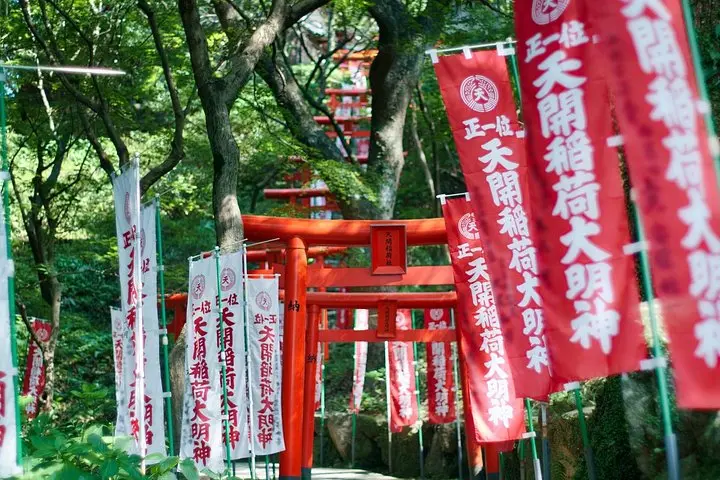
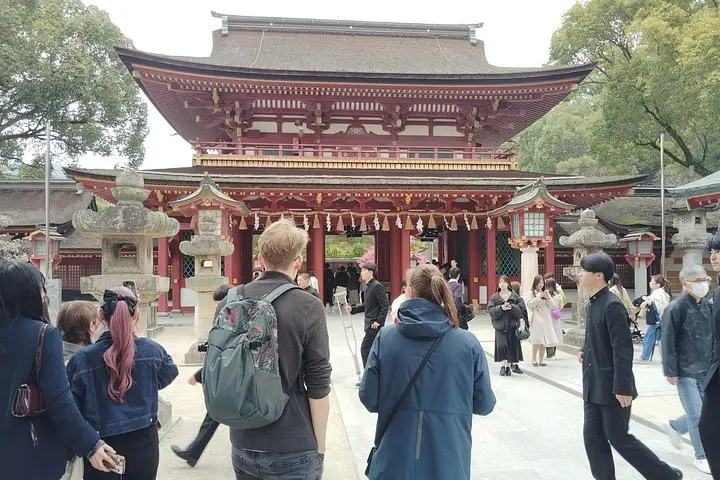
A cool morning breeze carries the clack of wooden geta and the rustle of pine needles as you step from Dazaifu Station onto the approach road toward Tenmangu. Lanterns lean like weathered sentinels along cedar-lined paths; the air smells faintly of incense and grilled mochi from stall vendors. The tour moves at a measured pace — a walking pilgrimage through layers of time where stone foundations and quiet courtyards speak as loudly as the guide’s calm narration.
A cool morning breeze carries the clack of wooden geta and the rustle of pine needles as you step from Dazaifu Station onto the approach road toward Tenmangu. Lanterns lean like weathered sentinels along cedar-lined paths; the air smells faintly of incense and grilled mochi from stall vendors. The tour moves at a measured pace — a walking pilgrimage through layers of time where stone foundations and quiet courtyards speak as loudly as the guide’s calm narration.
Dazaifu served as Kyushu’s administrative center for centuries; its government office ruins mark where provincial power once concentrated. The area’s low plains and gentle hills reflect Pleistocene river terraces rather than dramatic geology, but the human story here is deep: Sugawara no Michizane’s elevation to Tenjin shaped a spiritual culture that still draws students and pilgrims. Kanzeonji and smaller shrines preserve Buddhist sculpture, garden design, and ritual practice that illuminate Japan’s religious and civic evolution.
Practically, expect easy walking on paved and compacted paths, multiple short stops for interpretation, and photo opportunities at gates, ponds, and museum exhibits. The tour includes a fluent Japanese-speaking guide and visits to museum spaces; shrine donations and small purchases may be cash-only. Mornings and weekdays reduce crowds; late spring and autumn offer the best light for photos. Bring comfortable shoes, a light jacket, and an extra battery for your camera — the details in carved wood and mossy stones reward slow attention.