THE ADVENTURE COLLECTIVE® · Independent discovery and booking for outdoor travel

Float effortlessly on the Dead Sea and stand atop Herod’s dramatic fortress at Masada on a full-day trip from central Israel. This compact tour blends stark desert geology with a potent slice of ancient history—ideal for travelers who want a single-day immersion.
Float effortlessly on the Dead Sea and stand atop Herod’s dramatic fortress at Masada on a full-day trip from central Israel. This compact tour blends stark desert geology with a potent slice of ancient history—ideal for travelers who want a single-day immersion.
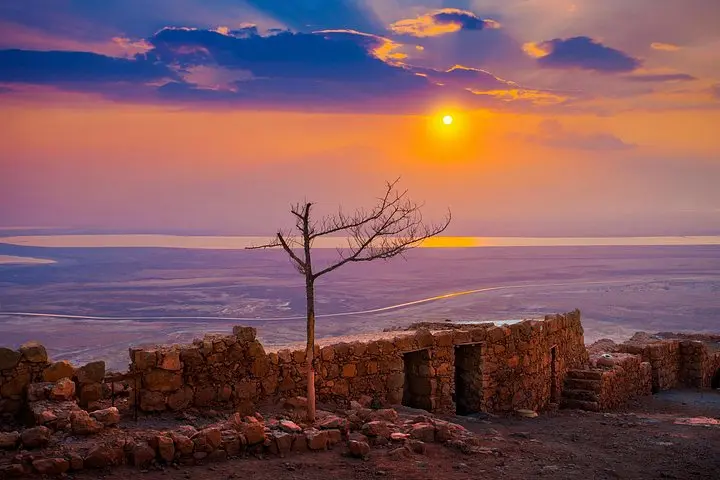
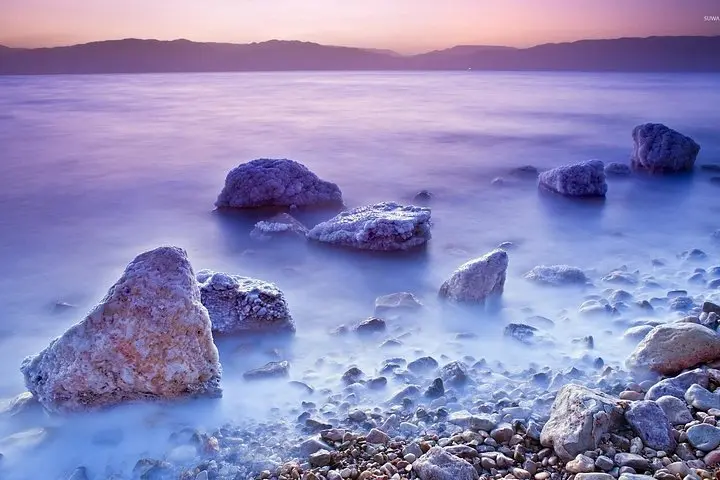
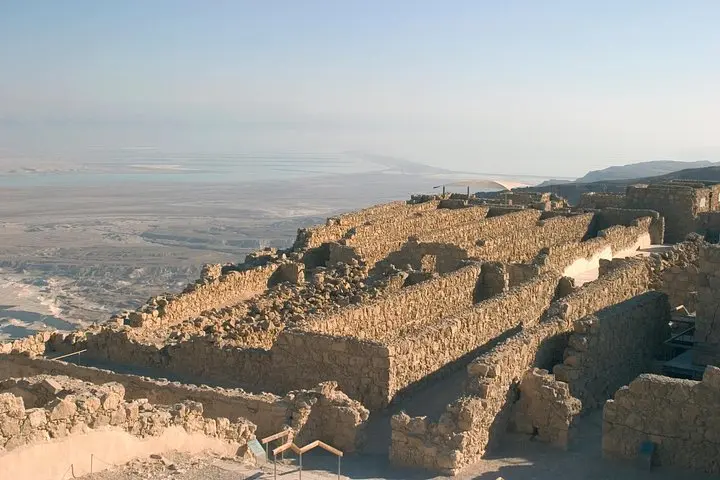
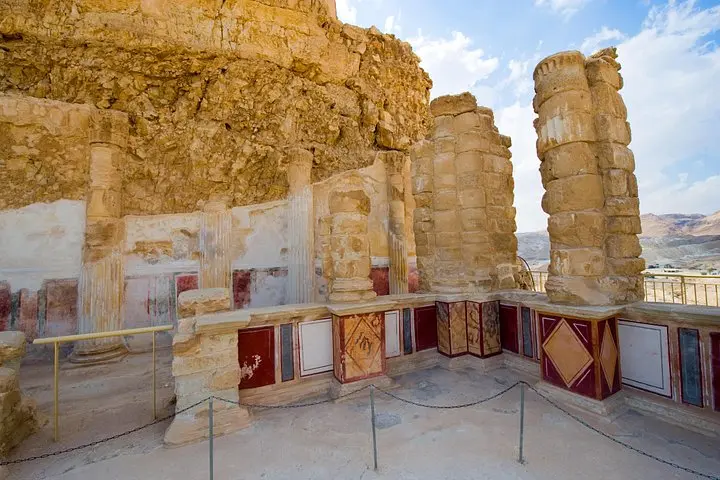
Before sunrise the coach slips out of the city and the Judean hills open like a map folded flat. By midmorning the desert air smells of salt and sun; the plateau of Masada rises from the ochre plain, its stone terraces catching light the way a mirror catches a glance. Climbing the winding path or stepping onto the cable car, you encounter sweeping views of the Dead Sea basin—water so dense it will buoy you before you even try.
Verified experiences and guided adventures in the surrounding area.
Operated by Booking-tours.com · Masada, Southern District
Before sunrise the coach slips out of the city and the Judean hills open like a map folded flat. By midmorning the desert air smells of salt and sun; the plateau of Masada rises from the ochre plain, its stone terraces catching light the way a mirror catches a glance. Climbing the winding path or stepping onto the cable car, you encounter sweeping views of the Dead Sea basin—water so dense it will buoy you before you even try.
Masada is both ruin and narrative: King Herod’s palaces and storerooms perch on bedrock above sheer cliffs. In 73–74 CE the Roman army built a massive siege ramp—reported at roughly 375 feet in height from bedrock—to reach the fortress. Geologically, the Dead Sea is the planet’s lowest exposed point; its hypersaline waters (around 33% salinity) and mineral-rich mud have long drawn visitors seeking therapeutic relief. Nearby, Ein Gedi’s springs offer a stark contrast—pockets of green that feel determined against the desert’s heat.
Practical guidance is straightforward. Start early to avoid midafternoon heat, carry plenty of water, and wear sturdy shoes for uneven ancient masonry. Swimwear and a towel are essential for the Dead Sea, but avoid submerging your head and rinse thoroughly after. Respect archaeological zones and local customs: modest dress is appreciated at cultural sites. A moderate level of fitness will make the Masada walk more enjoyable, but cable car access shortens the ascent.
This day tour pairs visceral landscape—salt pushing you up, wind flattening the horizon—with clear history underfoot, giving a compact, unforgettable snapshot of Israel’s desert edge.
Yes for short floats—avoid submerging your head, keep water away from eyes and open wounds, and exit if you feel unwell.
Both options exist: a steep hiking path (Snake Path) and a cable car that carries visitors to the summit for those preferring less exertion.
This tour includes entrance fees to Masada and an English-speaking guide as noted in the listing inclusions.
Lightweight breathable layers, sturdy shoes for walking, a hat, and swimwear for the Dead Sea; modest cover-ups are advisable for cultural sites.
Booking-tours.com operates guided outdoor trips and adventures with an emphasis on safety, stewardship, and memorable experiences.
Before sunrise the coach slips out of the city and the Judean hills open like a map folded flat. By midmorning the desert air smells of salt and sun; the plateau of Masada rises from the ochre plain, its stone terraces catching light the way a mirror catches a glance. Climbing the winding path or stepping onto the cable car, you encounter sweeping views of the Dead Sea basin—water so dense it will buoy you before you even try.
Before sunrise the coach slips out of the city and the Judean hills open like a map folded flat. By midmorning the desert air smells of salt and sun; the plateau of Masada rises from the ochre plain, its stone terraces catching light the way a mirror catches a glance. Climbing the winding path or stepping onto the cable car, you encounter sweeping views of the Dead Sea basin—water so dense it will buoy you before you even try.
Masada is both ruin and narrative: King Herod’s palaces and storerooms perch on bedrock above sheer cliffs. In 73–74 CE the Roman army built a massive siege ramp—reported at roughly 375 feet in height from bedrock—to reach the fortress. Geologically, the Dead Sea is the planet’s lowest exposed point; its hypersaline waters (around 33% salinity) and mineral-rich mud have long drawn visitors seeking therapeutic relief. Nearby, Ein Gedi’s springs offer a stark contrast—pockets of green that feel determined against the desert’s heat.
Practical guidance is straightforward. Start early to avoid midafternoon heat, carry plenty of water, and wear sturdy shoes for uneven ancient masonry. Swimwear and a towel are essential for the Dead Sea, but avoid submerging your head and rinse thoroughly after. Respect archaeological zones and local customs: modest dress is appreciated at cultural sites. A moderate level of fitness will make the Masada walk more enjoyable, but cable car access shortens the ascent.
This day tour pairs visceral landscape—salt pushing you up, wind flattening the horizon—with clear history underfoot, giving a compact, unforgettable snapshot of Israel’s desert edge.