THE ADVENTURE COLLECTIVE® · Independent discovery and booking for outdoor travel

Experience Tokyo through signed tours in JSL, IS and ASL that prioritize accessibility and local connection. These private, wheelchair-accessible walks focus on neighborhoods, temples, and community workshops designed for visual communication and cultural exchange.
Experience Tokyo through signed tours in JSL, IS and ASL that prioritize accessibility and local connection. These private, wheelchair-accessible walks focus on neighborhoods, temples, and community workshops designed for visual communication and cultural exchange.
The tour opens on a busy Tokyo street where neon and the clack of footsteps frame a different kind of quiet: conversations expressed in hands. Participants follow a signed guide through compact temple grounds, side streets of market stalls, and a coffee shop where baristas sign in rhythm with the espresso machine. The city moves around the group; the interpretation holds the story.
Verified experiences and guided adventures in the surrounding area.
Operated by Japan Sign Travel · Tokyo, Tokyo
The tour opens on a busy Tokyo street where neon and the clack of footsteps frame a different kind of quiet: conversations expressed in hands. Participants follow a signed guide through compact temple grounds, side streets of market stalls, and a coffee shop where baristas sign in rhythm with the espresso machine. The city moves around the group; the interpretation holds the story.
Tokyo’s neighborhoods present layers of history — Edo-period temples, Meiji-era streets, postwar rebuilds — each surface reflecting different social rhythms. Geology plays a subtle role: the city sits on low plains reclaimed and reshaped over centuries, so short climbs lead to surprisingly open views and pockets of older architecture. Culture here is tactile and visual: shrine rituals, storefront signage, and communal workshops are as much about gesture and posture as words.
These Deaf-friendly tours are designed for visual communication in Japanese Sign Language, International Sign, and American Sign Language. Expect stops chosen for clear sightlines, accessible seating, and opportunities to join hands-on workshops with local artisans or community groups.
Practical guidance: wear comfortable walking shoes and bring a compact daypack. Public transport is the most efficient way to move between neighborhoods; guides will assist with routes and transfers. Weather can change quickly — carry a lightweight rain layer in summer and a warmer outer layer in winter. Because the experience centers on direct signed communication and community interaction, arrive with questions and an open pace — the richest moments come from lingering at a shop window, learning a sign, or joining a short community workshop.
Guides provide interpretation in Japanese Sign Language (JSL), International Sign (IS), and American Sign Language (ASL) depending on participant needs.
Yes — itineraries are designed with wheelchair access in mind, and public transport routes selected are barrier-free when possible.
Tours range from about 2 hours for a neighborhood walk to up to 7 hours for longer, private itineraries that include workshops and multiple districts.
Yes — private tours can tailor stops for cultural workshops, specific neighborhoods, or accessibility requirements; discuss preferences at booking.
Japan Sign Travel operates guided outdoor trips and adventures with an emphasis on safety, stewardship, and memorable experiences.
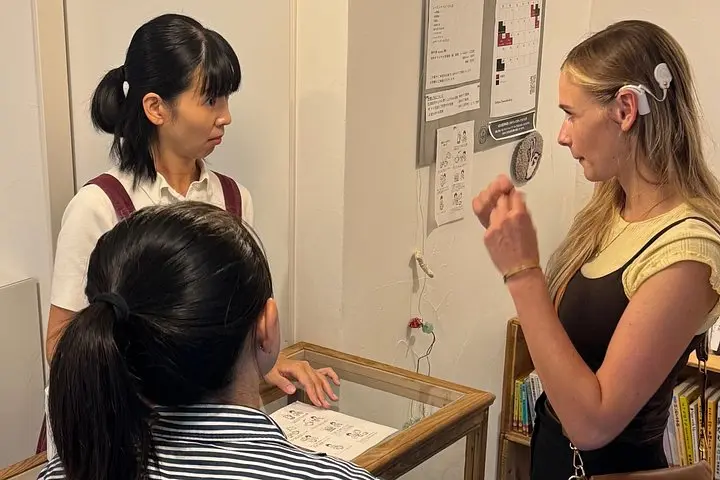
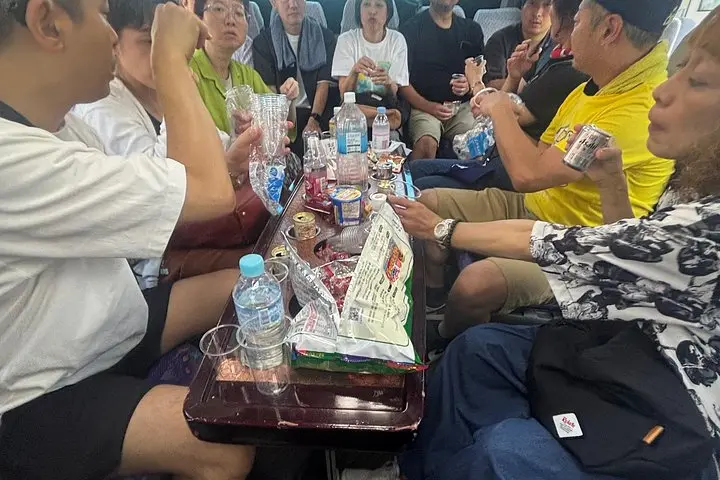
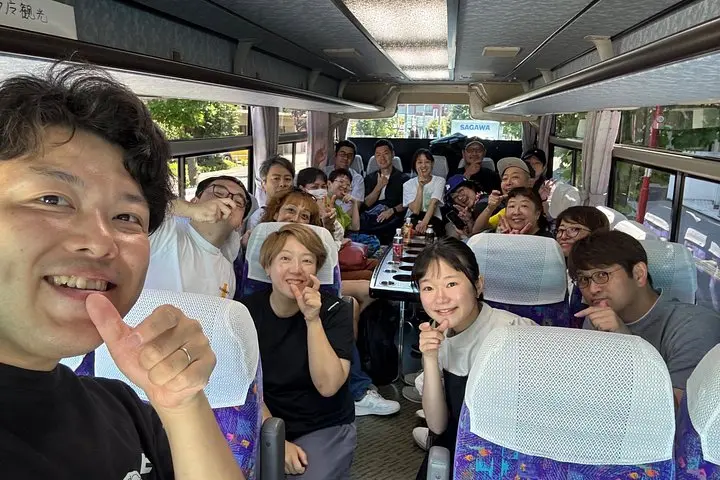
The tour opens on a busy Tokyo street where neon and the clack of footsteps frame a different kind of quiet: conversations expressed in hands. Participants follow a signed guide through compact temple grounds, side streets of market stalls, and a coffee shop where baristas sign in rhythm with the espresso machine. The city moves around the group; the interpretation holds the story.
The tour opens on a busy Tokyo street where neon and the clack of footsteps frame a different kind of quiet: conversations expressed in hands. Participants follow a signed guide through compact temple grounds, side streets of market stalls, and a coffee shop where baristas sign in rhythm with the espresso machine. The city moves around the group; the interpretation holds the story.
Tokyo’s neighborhoods present layers of history — Edo-period temples, Meiji-era streets, postwar rebuilds — each surface reflecting different social rhythms. Geology plays a subtle role: the city sits on low plains reclaimed and reshaped over centuries, so short climbs lead to surprisingly open views and pockets of older architecture. Culture here is tactile and visual: shrine rituals, storefront signage, and communal workshops are as much about gesture and posture as words.
These Deaf-friendly tours are designed for visual communication in Japanese Sign Language, International Sign, and American Sign Language. Expect stops chosen for clear sightlines, accessible seating, and opportunities to join hands-on workshops with local artisans or community groups.
Practical guidance: wear comfortable walking shoes and bring a compact daypack. Public transport is the most efficient way to move between neighborhoods; guides will assist with routes and transfers. Weather can change quickly — carry a lightweight rain layer in summer and a warmer outer layer in winter. Because the experience centers on direct signed communication and community interaction, arrive with questions and an open pace — the richest moments come from lingering at a shop window, learning a sign, or joining a short community workshop.