THE ADVENTURE COLLECTIVE® · Independent discovery and booking for outdoor travel

Walk Soho’s alleys to meet madams, body snatchers and reforming doctors. This 1¾-hour guided route combines forensic history with urban context and local color.
Walk Soho’s alleys to meet madams, body snatchers and reforming doctors. This 1¾-hour guided route combines forensic history with urban context and local color.
The group steps off the bright high street into a web of alleys where lamp light pools and cobbles remember other footfalls. Narrow passageways frame storefronts and the low voices of guides; peel back the facade and you find workhouses, anatomy schools, and the lanes where bawdy houses once advertised their trade.
Verified experiences and guided adventures in the surrounding area.
Operated by Lou's London Walks · London, Greater London
The group steps off the bright high street into a web of alleys where lamp light pools and cobbles remember other footfalls. Narrow passageways frame storefronts and the low voices of guides; peel back the facade and you find workhouses, anatomy schools, and the lanes where bawdy houses once advertised their trade.
This 1¾-hour walk threads Soho’s layered past: Georgian pleasure houses, Victorian hospitals, and the 1854 cholera crisis that Dr. John Snow traced to a single Broad Street pump. Beneath the urban surface the London clay and Victorian sewers shaped every cellar and courtyard — the city’s infrastructure is part of the story, as much a character as the doctors and body snatchers who moved through it. Cultural fault-lines are visible here: theatres and pubs rubbing shoulders with institutions that treated syphilis and poverty.
Expect close-packed streets, stop-offs at a small garden and the site of an early anatomy school, and a guide who balances dark humor with archival detail. The tour doesn’t shy from sexual or gory historical facts; it presents them within social and medical context rather than sensationalism.
Practical guidance: plan for about 1–2 hours on foot, use comfortable shoes for pavements and uneven cobbles, and choose a mid-morning or early evening slot to avoid peak crowds. Public transit access is excellent; the route is largely flat and mostly on pavement but includes narrow alleys that may feel confined. Bring water, dress for London weather, and be prepared for candid historical anecdotes.
The meeting point is in central Soho near a named street (check your booking confirmation for the exact address); it’s a short walk from nearby Tube stations.
The route is mostly on pavement and is listed as wheelchair and stroller accessible, but narrow alleys may limit maneuverability—contact the operator for specifics.
You’ll visit the locations associated with events (workhouse site, anatomy school location, garden), though many buildings were altered in later centuries; guides point out surviving features and archival context.
Yes, but the tour contains sexual and gory historical references and may not be suitable for young children—consider content before booking.
Lou's London Walks operates guided outdoor trips and adventures with an emphasis on safety, stewardship, and memorable experiences.
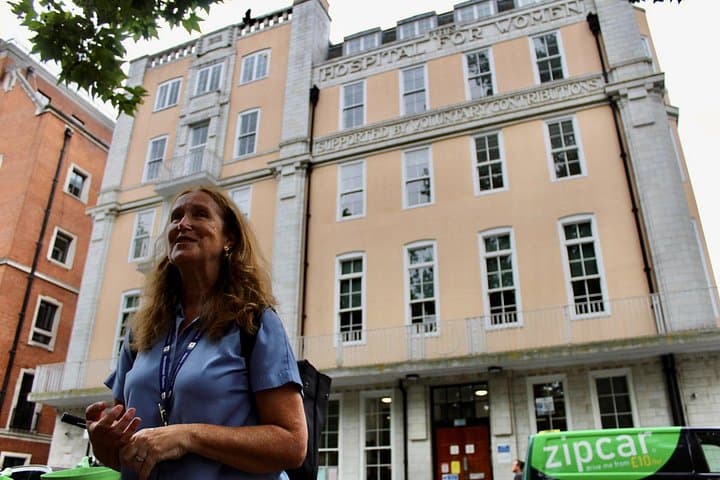
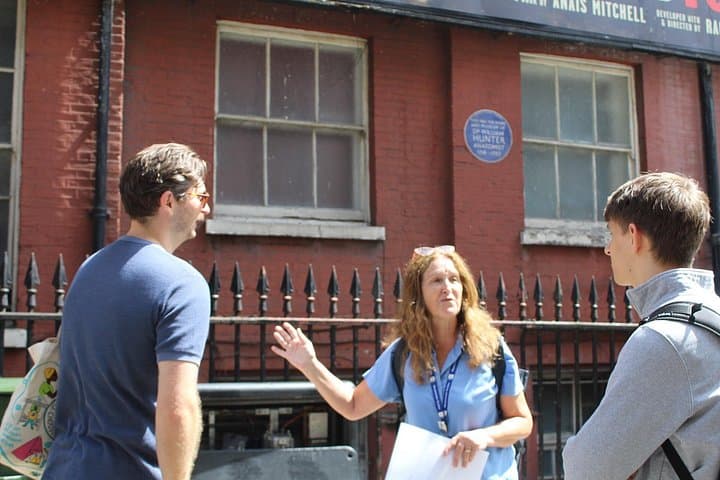
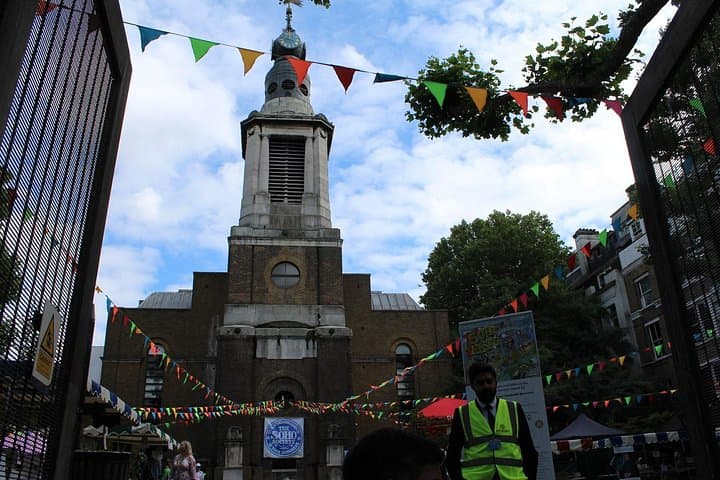
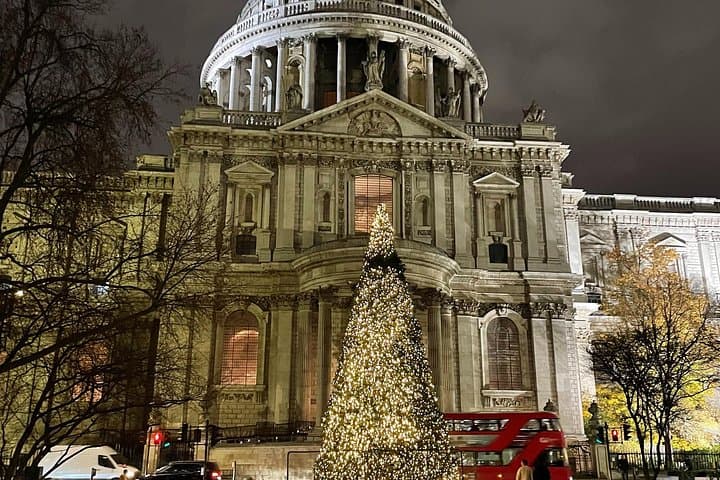
The group steps off the bright high street into a web of alleys where lamp light pools and cobbles remember other footfalls. Narrow passageways frame storefronts and the low voices of guides; peel back the facade and you find workhouses, anatomy schools, and the lanes where bawdy houses once advertised their trade.
The group steps off the bright high street into a web of alleys where lamp light pools and cobbles remember other footfalls. Narrow passageways frame storefronts and the low voices of guides; peel back the facade and you find workhouses, anatomy schools, and the lanes where bawdy houses once advertised their trade.
This 1¾-hour walk threads Soho’s layered past: Georgian pleasure houses, Victorian hospitals, and the 1854 cholera crisis that Dr. John Snow traced to a single Broad Street pump. Beneath the urban surface the London clay and Victorian sewers shaped every cellar and courtyard — the city’s infrastructure is part of the story, as much a character as the doctors and body snatchers who moved through it. Cultural fault-lines are visible here: theatres and pubs rubbing shoulders with institutions that treated syphilis and poverty.
Expect close-packed streets, stop-offs at a small garden and the site of an early anatomy school, and a guide who balances dark humor with archival detail. The tour doesn’t shy from sexual or gory historical facts; it presents them within social and medical context rather than sensationalism.
Practical guidance: plan for about 1–2 hours on foot, use comfortable shoes for pavements and uneven cobbles, and choose a mid-morning or early evening slot to avoid peak crowds. Public transit access is excellent; the route is largely flat and mostly on pavement but includes narrow alleys that may feel confined. Bring water, dress for London weather, and be prepared for candid historical anecdotes.