
Death in New York — Lower Manhattan Walking Tour of Cemeteries, Memorials & Epidemics
Walk Lower Manhattan’s streets to see how death shaped the city: from Lenape lands and colonial graveyards to epidemic responses and modern memorials. This extended daylight tour layers history, law and culture into a compact urban route.
An Adventure In New York City.
Walk Lower Manhattan’s streets to see how death shaped the city: from Lenape lands and colonial graveyards to epidemic responses and modern memorials. This extended daylight tour layers history, law and culture into a compact urban route.
Read the full experience
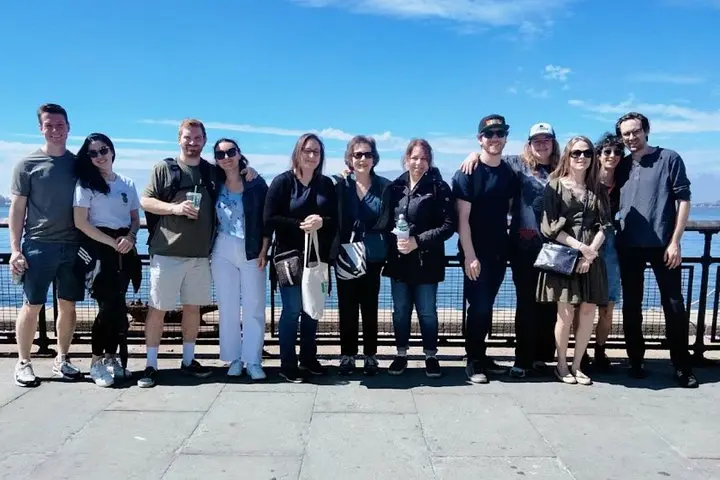
You meet at the mouth of Manhattan where the harbor keeps watch: South Ferry/Whitehall Street station, wind catching the edge of a jacket and the Statue of Liberty offering a distant silhouette. The pavement here remembers more than commerce—stones, plaques and narrow lanes mark stories of loss that shaped the city.
You meet at the mouth of Manhattan where the harbor keeps watch: South Ferry/Whitehall Street station, wind catching the edge of a jacket and the Statue of Liberty offering a distant silhouette. The pavement here remembers more than commerce—stones, plaques and narrow lanes mark stories of loss that shaped the city.
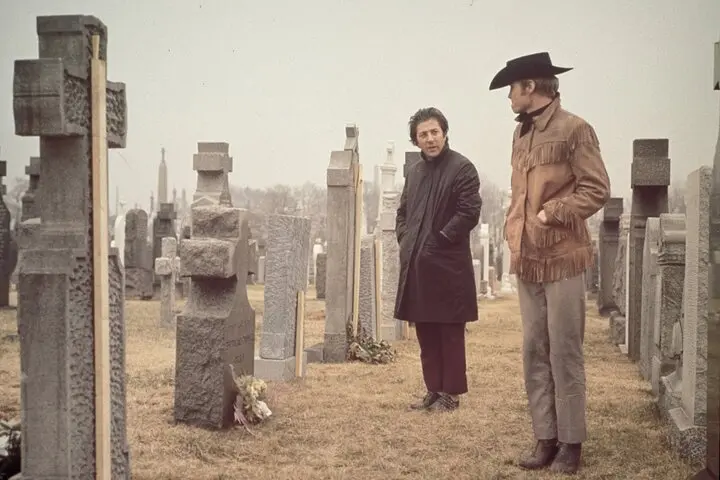
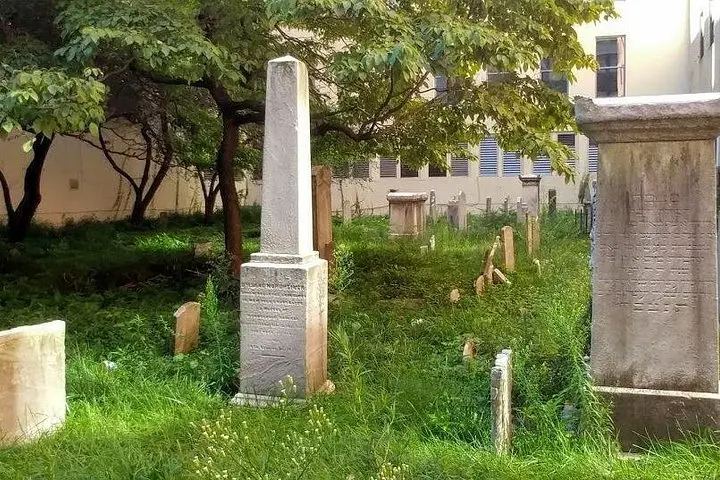
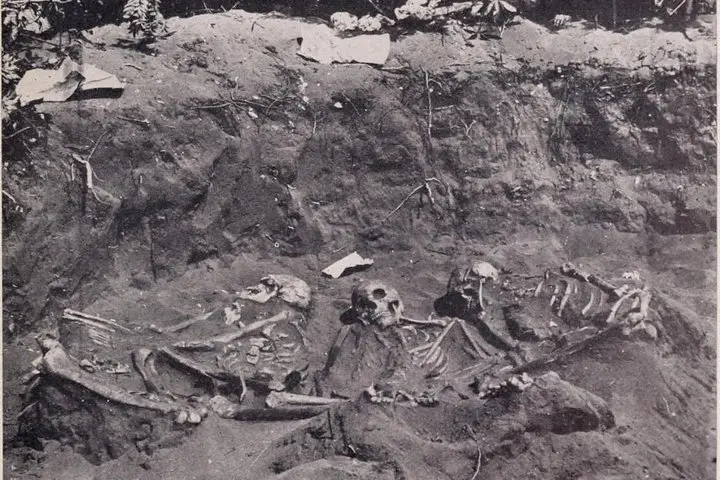
The route traces Lenape landscapes overwritten by colonial churchyards, 18th‑ and 19th‑century burial plots, and the packed alleys of immigrant neighborhoods. Geology matters: Manhattan’s bedrock and historic landfill shifted shoreline lines, and many interments sit above earlier marshes and old coastline. You’ll pass Trinity Church and St. Paul’s Chapel, the African Burial Ground National Monument, early civic courthouses and Funeral Row on Mulberry, each site layered with legal, medical and cultural responses to death — from isolation hospitals and cholera pits to civic memorials and modern ritual.
Culturally the tour intersects Chinatown, the Civic Center, and small ecclesiastical spaces where parish records and rites document migration, epidemic, and reform. Guides place events in civic context rather than spectacle: epidemics prompted sanitation reform; burial practices reveal race and class dynamics; memorials show evolving public memory.
Practical side: expect 2½–3 hours of continuous walking over city sidewalks, occasional stairs and short detours into small plazas. Wear sturdy shoes, bring water, and plan for transit time back to Midtown or Brooklyn. Restrooms are sporadic; many stops are outdoors. Cameras are fine, but observe memorial etiquette and keep voices respectful. The tour is historically dense—bring questions and a curious pair of ears.
Frequently asked questions
The tour lasts about 2.5–3 hours and covers roughly 2–3 miles of walking on city sidewalks with short stops at each site.
Yes—it's rated physically easy, but participants should be able to stand and walk for the duration; stroller or wheelchair accessibility may be limited at some historic stops.
No—this tour focuses on exterior sites and public memorials; any indoor visits or museum admissions are typically not included.
Meet at South Ferry/Whitehall Street station in Lower Manhattan; multiple subway lines and ferries stop nearby—arrive 10–15 minutes early to check in.
About This Experience
Purefinder New York operates guided outdoor trips and adventures with an emphasis on safety, stewardship, and memorable experiences.
Adventure tips
Recommended gear
- Comfortable walking shoes: Supportive shoes reduce fatigue and handle uneven sidewalks and occasional steps.
- Refillable water bottle: Staying hydrated is important—carry water for the full tour in hot months.
- Layered jacket: Wind and temperature shifts near the waterfront make layers useful year‑round.
- Portable phone charger: Phones are handy for maps and photos; a spare battery keeps devices alive through the day.
Photos of the experience
Related adventures & guides
Read the full experience
You meet at the mouth of Manhattan where the harbor keeps watch: South Ferry/Whitehall Street station, wind catching the edge of a jacket and the Statue of Liberty offering a distant silhouette. The pavement here remembers more than commerce—stones, plaques and narrow lanes mark stories of loss that shaped the city.
You meet at the mouth of Manhattan where the harbor keeps watch: South Ferry/Whitehall Street station, wind catching the edge of a jacket and the Statue of Liberty offering a distant silhouette. The pavement here remembers more than commerce—stones, plaques and narrow lanes mark stories of loss that shaped the city.
The route traces Lenape landscapes overwritten by colonial churchyards, 18th‑ and 19th‑century burial plots, and the packed alleys of immigrant neighborhoods. Geology matters: Manhattan’s bedrock and historic landfill shifted shoreline lines, and many interments sit above earlier marshes and old coastline. You’ll pass Trinity Church and St. Paul’s Chapel, the African Burial Ground National Monument, early civic courthouses and Funeral Row on Mulberry, each site layered with legal, medical and cultural responses to death — from isolation hospitals and cholera pits to civic memorials and modern ritual.
Culturally the tour intersects Chinatown, the Civic Center, and small ecclesiastical spaces where parish records and rites document migration, epidemic, and reform. Guides place events in civic context rather than spectacle: epidemics prompted sanitation reform; burial practices reveal race and class dynamics; memorials show evolving public memory.
Practical side: expect 2½–3 hours of continuous walking over city sidewalks, occasional stairs and short detours into small plazas. Wear sturdy shoes, bring water, and plan for transit time back to Midtown or Brooklyn. Restrooms are sporadic; many stops are outdoors. Cameras are fine, but observe memorial etiquette and keep voices respectful. The tour is historically dense—bring questions and a curious pair of ears.
Make a day of it nearby.
Verified experiences and guided adventures in the surrounding area.