THE ADVENTURE COLLECTIVE® · Independent discovery and booking for outdoor travel

Ride the infamous Yungas Road from high Andean pass to jungle valley on a guided downhill mountain-bike tour. Expect long descents, dramatic cliffside views and well-managed logistics for a full-day adventure.
Ride the infamous Yungas Road from high Andean pass to jungle valley on a guided downhill mountain-bike tour. Expect long descents, dramatic cliffside views and well-managed logistics for a full-day adventure.
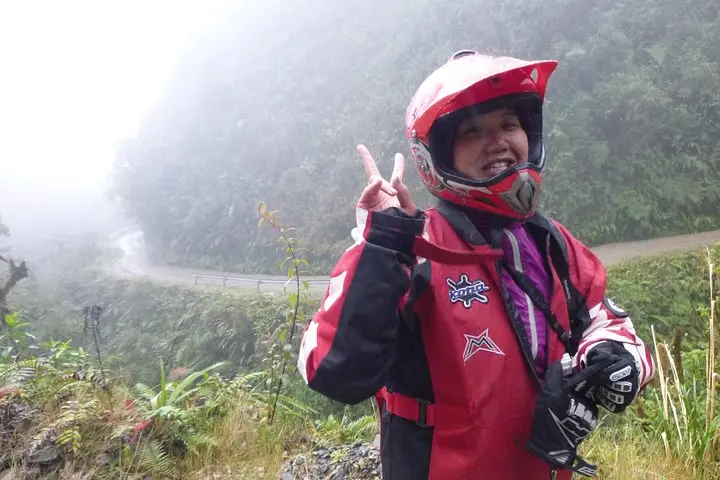
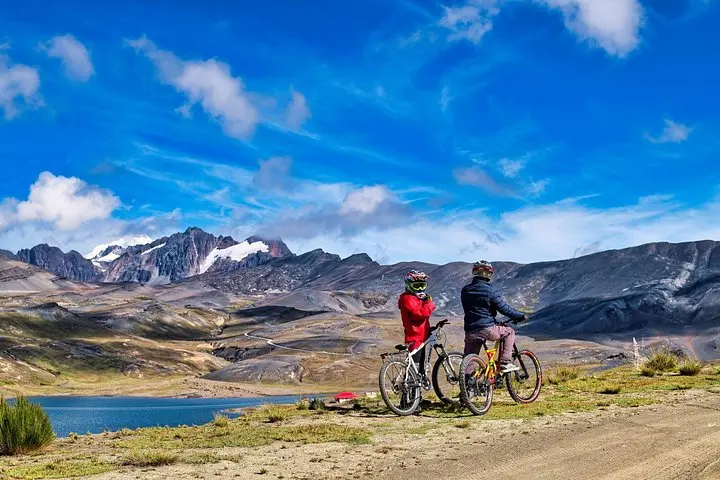
The wind compresses at the ridge as riders shoulder their bikes above the Andean spine; below, a ribbon of dirt carves through cloud forest and plunges toward the humid Yungas. For a day you trade the thin air and panoramas of high puna for a relentless descent—switchbacks, cliff-edge singletrack and sudden waterfalls that spray the path with mist.
Verified experiences and guided adventures in the surrounding area.
Operated by Andes 2 Amazon · La Paz, La Paz Department
The wind compresses at the ridge as riders shoulder their bikes above the Andean spine; below, a ribbon of dirt carves through cloud forest and plunges toward the humid Yungas. For a day you trade the thin air and panoramas of high puna for a relentless descent—switchbacks, cliff-edge singletrack and sudden waterfalls that spray the path with mist.
The route follows the infamous Camino de la Muerte, carved in the 1930s and later christened the World’s Most Dangerous Road. Its geology is a study in contrasts: fragile volcanic soil and steep escarpments above dense, biodiverse rainforest that supports a distinct Yungas ecology and the small farming communities whose culture bridges highland and lowland ways of life.
On the bike the experience is straightforward—gravity, grit and attention. Guides shepherd groups, stop at viewpoints and point out natural and human history, from old cairns to coca fields where local economies still hinge on subsistence agriculture and tourism income.
Practicalities matter: expect 8–12 hours door-to-door, sustained exposure to altitude on the drive up, and a continuous technical descent that requires confident braking and body position. Plan layered clothing for a cold start and hot finish, full-finger gloves for vibration and protection, and a willingness to get dusty and wet. Operators provide helmets, vests and transport, plus a lunch and showers afterward—bring sunscreen, insect repellent and a dry change of clothes. For most riders the reward is pure: long descending miles, jungle smells, and sudden canyon views that keep you moving until the road flattens in Coroico.
Typical guided itineraries are a full day (8–12 hours total with transfers) and include roughly 3,000–3,600 meters of descent from the high pass into the Yungas valley.
Most vehicle traffic now uses a newer paved route; guided mountain-bike tours run on the old road with safety equipment and experienced guides, but the route still requires caution and skill.
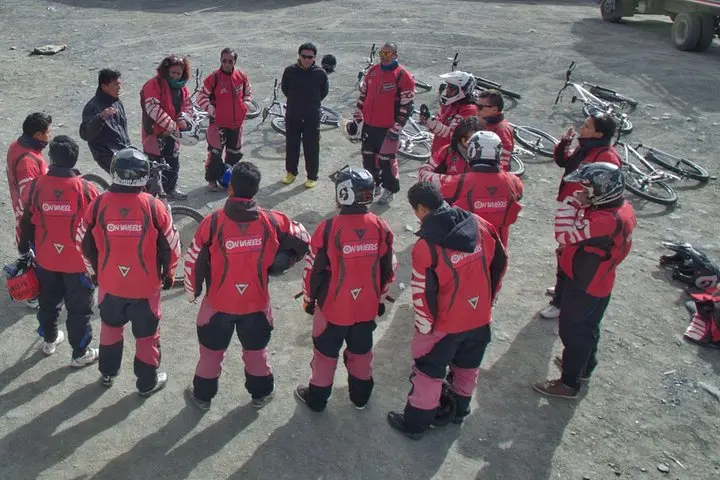
Standard inclusions are transport from La Paz, helmets and safety gear, buffet lunch, photos/videos, and post-ride facilities like showers and a pool in many operators’ packages.
Operators typically set age and fitness minimums and discourage participation for those with heart or back problems, pregnant riders or people not acclimatized to high altitude.
Andes 2 Amazon operates guided outdoor trips and adventures with an emphasis on safety, stewardship, and memorable experiences.
The wind compresses at the ridge as riders shoulder their bikes above the Andean spine; below, a ribbon of dirt carves through cloud forest and plunges toward the humid Yungas. For a day you trade the thin air and panoramas of high puna for a relentless descent—switchbacks, cliff-edge singletrack and sudden waterfalls that spray the path with mist.
The wind compresses at the ridge as riders shoulder their bikes above the Andean spine; below, a ribbon of dirt carves through cloud forest and plunges toward the humid Yungas. For a day you trade the thin air and panoramas of high puna for a relentless descent—switchbacks, cliff-edge singletrack and sudden waterfalls that spray the path with mist.
The route follows the infamous Camino de la Muerte, carved in the 1930s and later christened the World’s Most Dangerous Road. Its geology is a study in contrasts: fragile volcanic soil and steep escarpments above dense, biodiverse rainforest that supports a distinct Yungas ecology and the small farming communities whose culture bridges highland and lowland ways of life.
On the bike the experience is straightforward—gravity, grit and attention. Guides shepherd groups, stop at viewpoints and point out natural and human history, from old cairns to coca fields where local economies still hinge on subsistence agriculture and tourism income.
Practicalities matter: expect 8–12 hours door-to-door, sustained exposure to altitude on the drive up, and a continuous technical descent that requires confident braking and body position. Plan layered clothing for a cold start and hot finish, full-finger gloves for vibration and protection, and a willingness to get dusty and wet. Operators provide helmets, vests and transport, plus a lunch and showers afterward—bring sunscreen, insect repellent and a dry change of clothes. For most riders the reward is pure: long descending miles, jungle smells, and sudden canyon views that keep you moving until the road flattens in Coroico.