THE ADVENTURE COLLECTIVE® · Independent discovery and booking for outdoor travel

A full-day guided loop through Death Valley’s most iconic viewpoints—Dante’s View, Zabriskie Point, Badwater Basin and Artist’s Palette—this trip pairs geological storytelling with roadside stops that deliver big panoramas and practical context. Expect long driving segments, intense heat in summer, and unforgettable desert light.
A full-day guided loop through Death Valley’s most iconic viewpoints—Dante’s View, Zabriskie Point, Badwater Basin and Artist’s Palette—this trip pairs geological storytelling with roadside stops that deliver big panoramas and practical context. Expect long driving segments, intense heat in summer, and unforgettable desert light.
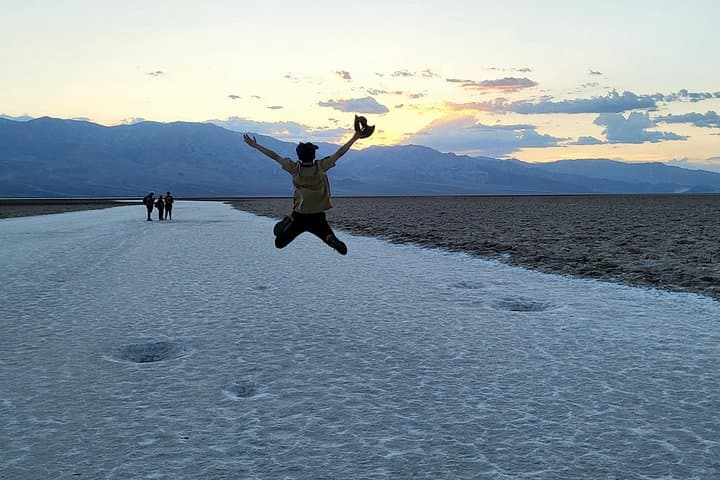
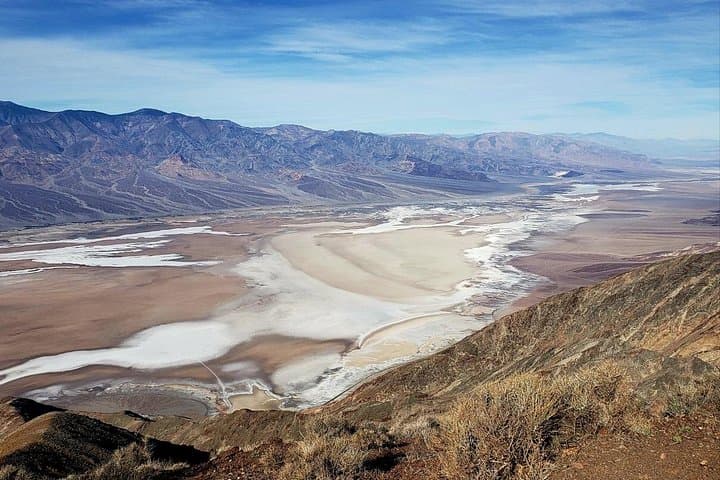
The van brakes to a hush at the Death Valley sign; sunlight spills across cracked desert crust like a dare. By midmorning the road has already become an actor in the day’s story—climbing, dropping and stretching between jagged ranges—while the guide unfolds the park’s geography in plain language. This is a day that reads like a primer on extremes: peaks that peer down from 5,475 feet at Dante’s View, salt flats that flatten the world at Badwater Basin (-86 meters), and eroded badlands at Zabriskie Point that look engineered by wind and impatience.
Verified experiences and guided adventures in the surrounding area.
Operated by bellatour · Furnace Creek, California
The van brakes to a hush at the Death Valley sign; sunlight spills across cracked desert crust like a dare. By midmorning the road has already become an actor in the day’s story—climbing, dropping and stretching between jagged ranges—while the guide unfolds the park’s geography in plain language. This is a day that reads like a primer on extremes: peaks that peer down from 5,475 feet at Dante’s View, salt flats that flatten the world at Badwater Basin (-86 meters), and eroded badlands at Zabriskie Point that look engineered by wind and impatience.
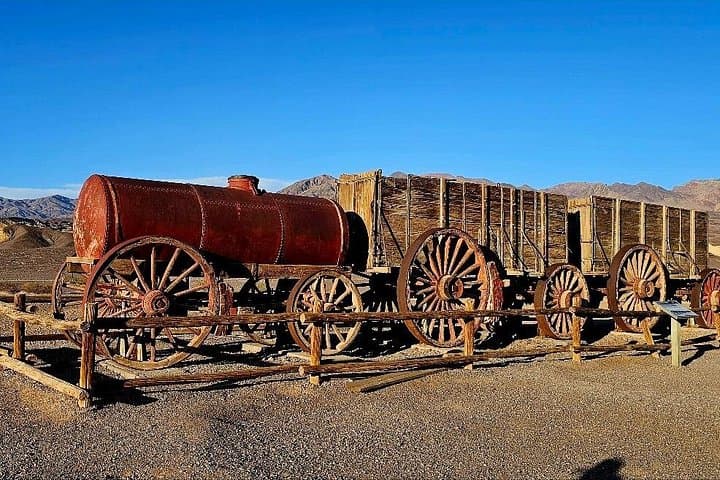
Death Valley’s bones are older than the map that draws it. The valley is a graben—a sunken block flanked by uplifted ranges—shaped by tectonic tension and episodic floods that left salt and evaporite deposits. Mining boom-era towns ghosted out here in the early 20th century; their traces remain in rusted machinery and the stories guides tell. Indigenous Timbisha Shoshone people stewarded oases and seasonal cycles long before road crews, and their knowledge of springs and routes still frames access and place names.
Geology explains the color: Artist’s Palette is literally a page of minerals—iron and manganese oxidizing across volcanic ash—while Badwater’s salt crust panes light back at you with a sterile brilliance. The basin dares you to reckon with scale; when you stand there, the sky feels like another continent.
Culturally, the park is quiet but layered—miners, desert scientists, and night-sky photographers all leave different footprints. The visitor center at Furnace Creek is the logical mid-point for context and restroom stops; it houses park exhibits that turn the day into more than a postcard chase.
Practical guidance: this is a long day—expect 10–11 hours total including 2–2.5 hours of driving each way from Las Vegas. Summer temperatures routinely top 110–120°F; heat is the dominant hazard. Bring at least 3 liters of water per person, sun protection, and sturdy shoes for short walks at viewpoints. Fuel up before leaving the city—gas stations are sparse—and allow time for roadside photo stops and short, uneven walks at Zabriskie and Dante’s View. Your guide carries water, snacks, and regional context; still, personal preparation matters.
Timing matters for light and comfort. Sunrise gilds Zabriskie Point; late afternoon softens the badlands and reduces heat at lower elevations. Stargazers will notice how remote pockets of the park expel light pollution—if your trip starts in the afternoon and returns at night, you’ll see a sky that insists on being noticed.
This tour is best for travelers with moderate fitness who want broad exposure to Death Valley’s main features without overnight logistics. Respect posted signs—especially in hot months—and leave no trace; the valley’s open spaces recover slowly.
The tour lasts about 10–11 hours, includes round-trip transport from Las Vegas hotels, a guide, and provided water and snacks; park entrance fees may be included depending on operator terms—confirm at booking.
Yes if they have moderate mobility; the itinerary involves vehicle travel and short walks but is not recommended for those with serious health issues or spinal problems.
Fall through spring offers milder temperatures; early morning or late afternoon light improves photography and comfort. Summer visits require extreme heat precautions.
Restrooms are available at Furnace Creek Visitor Center and some pullouts, but facilities are limited—use them when you can and carry hand sanitizer.
Yes—the itinerary includes multiple stops (Death Valley sign, Dante’s View, Zabriskie Point, Badwater, Artist’s Palette) with time allocated for photos at each location.
Death Valley National Park requires an entrance fee; many tours include it—check your confirmation or bring a pass to avoid delays.
bellatour operates guided outdoor trips and adventures with an emphasis on safety, stewardship, and memorable experiences.
The van brakes to a hush at the Death Valley sign; sunlight spills across cracked desert crust like a dare. By midmorning the road has already become an actor in the day’s story—climbing, dropping and stretching between jagged ranges—while the guide unfolds the park’s geography in plain language. This is a day that reads like a primer on extremes: peaks that peer down from 5,475 feet at Dante’s View, salt flats that flatten the world at Badwater Basin (-86 meters), and eroded badlands at Zabriskie Point that look engineered by wind and impatience.
The van brakes to a hush at the Death Valley sign; sunlight spills across cracked desert crust like a dare. By midmorning the road has already become an actor in the day’s story—climbing, dropping and stretching between jagged ranges—while the guide unfolds the park’s geography in plain language. This is a day that reads like a primer on extremes: peaks that peer down from 5,475 feet at Dante’s View, salt flats that flatten the world at Badwater Basin (-86 meters), and eroded badlands at Zabriskie Point that look engineered by wind and impatience.
Death Valley’s bones are older than the map that draws it. The valley is a graben—a sunken block flanked by uplifted ranges—shaped by tectonic tension and episodic floods that left salt and evaporite deposits. Mining boom-era towns ghosted out here in the early 20th century; their traces remain in rusted machinery and the stories guides tell. Indigenous Timbisha Shoshone people stewarded oases and seasonal cycles long before road crews, and their knowledge of springs and routes still frames access and place names.
Geology explains the color: Artist’s Palette is literally a page of minerals—iron and manganese oxidizing across volcanic ash—while Badwater’s salt crust panes light back at you with a sterile brilliance. The basin dares you to reckon with scale; when you stand there, the sky feels like another continent.
Culturally, the park is quiet but layered—miners, desert scientists, and night-sky photographers all leave different footprints. The visitor center at Furnace Creek is the logical mid-point for context and restroom stops; it houses park exhibits that turn the day into more than a postcard chase.
Practical guidance: this is a long day—expect 10–11 hours total including 2–2.5 hours of driving each way from Las Vegas. Summer temperatures routinely top 110–120°F; heat is the dominant hazard. Bring at least 3 liters of water per person, sun protection, and sturdy shoes for short walks at viewpoints. Fuel up before leaving the city—gas stations are sparse—and allow time for roadside photo stops and short, uneven walks at Zabriskie and Dante’s View. Your guide carries water, snacks, and regional context; still, personal preparation matters.
Timing matters for light and comfort. Sunrise gilds Zabriskie Point; late afternoon softens the badlands and reduces heat at lower elevations. Stargazers will notice how remote pockets of the park expel light pollution—if your trip starts in the afternoon and returns at night, you’ll see a sky that insists on being noticed.
This tour is best for travelers with moderate fitness who want broad exposure to Death Valley’s main features without overnight logistics. Respect posted signs—especially in hot months—and leave no trace; the valley’s open spaces recover slowly.