THE ADVENTURE COLLECTIVE® · Independent discovery and booking for outdoor travel

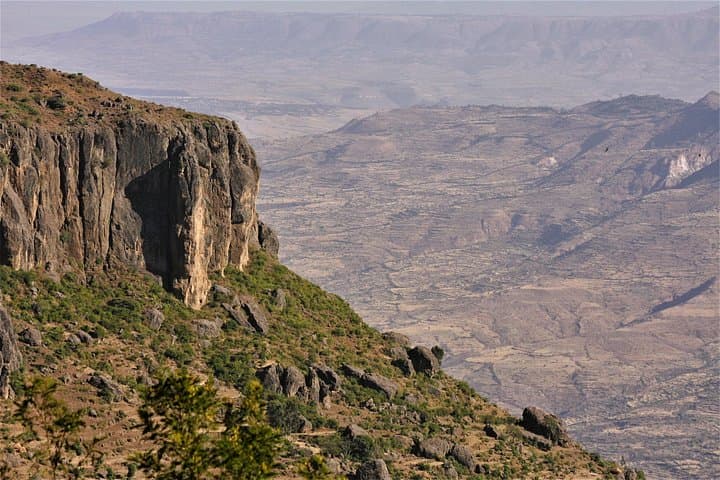
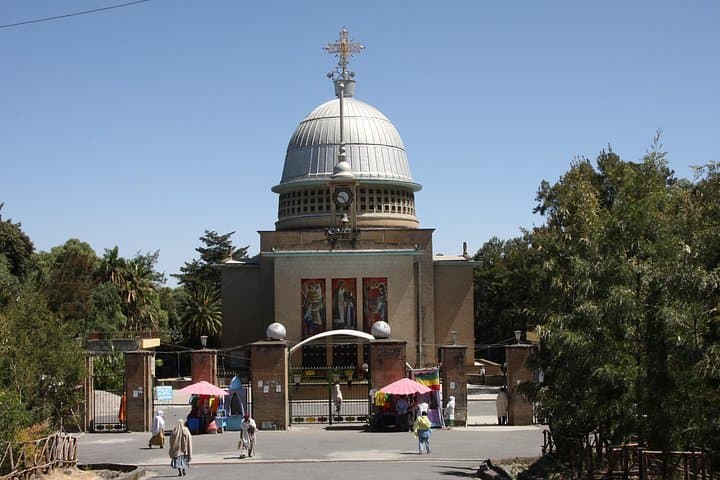
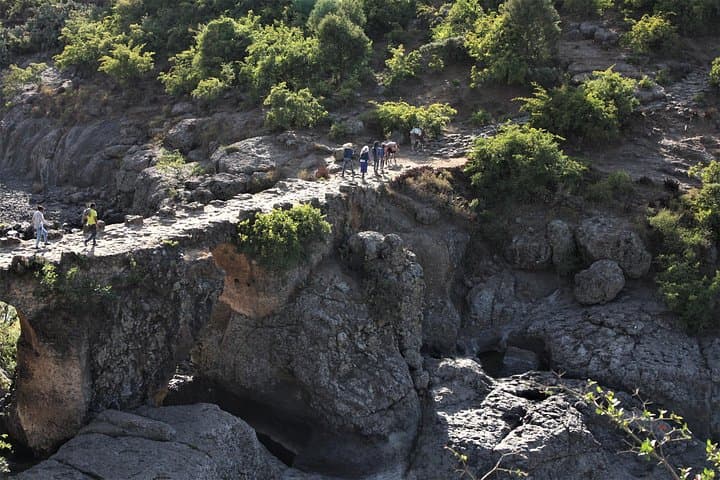
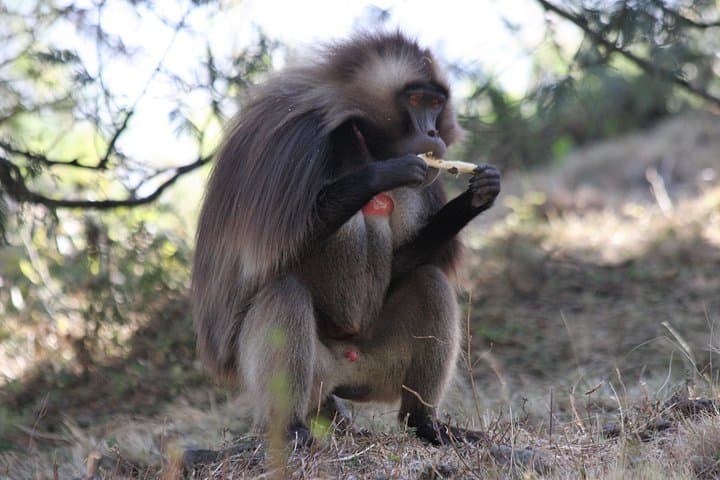
Escape Addis for a day to visit the 13th‑century Debre Libanos Monastery, peer over the nearly 1,000‑meter Jemma River gorge, and walk down to the narrow 16th‑century bridge. Expect gelada sightings, soaring vultures, and a traditional coffee ceremony with a local family.
Escape Addis for a day to visit the 13th‑century Debre Libanos Monastery, peer over the nearly 1,000‑meter Jemma River gorge, and walk down to the narrow 16th‑century bridge. Expect gelada sightings, soaring vultures, and a traditional coffee ceremony with a local family.
A low morning sun slices across the escarpment as a private van winds north out of Addis Ababa toward stone walls and a 13th‑century monastery perched above a raw, plunging river gorge. Visitors arrive to the hush of prayer halls, cool flagstones, and the echo of bells; beyond the courtyard the land drops away in a vertiginous sweep to the Jemma River far below.
Verified experiences and guided adventures in the surrounding area.
Operated by Eyayaw Tours Ethiopia · Debre Libanos, Oromia Region
A low morning sun slices across the escarpment as a private van winds north out of Addis Ababa toward stone walls and a 13th‑century monastery perched above a raw, plunging river gorge. Visitors arrive to the hush of prayer halls, cool flagstones, and the echo of bells; beyond the courtyard the land drops away in a vertiginous sweep to the Jemma River far below.
Debre Libanos is one of Ethiopia’s most important monastic centers, founded by St. Teklehaimanot in the 1200s; the complex preserves ancient manuscripts and traditional Ethiopian Orthodox liturgy. Geologically the site sits on the Ethiopian Highlands’ northern escarpment — volcanic flow over older sediments — producing the steep walls that create dramatic waterfalls and a nearly 1,000‑meter drop to the Jemma valley. Culturally the area blends devout ritual with rural life: coffee ceremonies, clan chapels, and shepherds moving gelada troops on the cliffs.
On the ground expect a mix of paved road access, short steep stairways, and a 300‑meter descent to the narrow 16th‑century “Portuguese” bridge. Wildlife highlights include gelada monkeys grazing on ledges and vultures—lammergeier, Rüppell’s and lappet‑faced—circling thermals over the gorge.
Practical guidance: plan for a 6–8 hour day, moderate walking that includes uphill returns, and bright sun at altitude. Wear sturdy shoes, carry 1.5–2 L of water, and bring layers for cool mornings and windy rim exposures. Respect monastery rules—modest dress and quiet in sacred spaces—and allow extra time for photography at viewpoints and the coffee ceremony with a local family.
The private tour runs about 6–8 hours and includes short periods of walking: a monastery tour, viewpoints, and a roughly 300m descent/ascent to the Portuguese Bridge.
Yes—gelada troops are commonly seen on cliffs near the gorge and several large vulture species frequently circle the thermals overhead, though sightings depend on season and timing.
Main monastery grounds are reachable by vehicle and have relatively flat routes, but the 300m descent to the bridge is steep and not suitable for limited mobility.
Modest, comfortable clothing that covers shoulders and knees is appropriate; remove hats inside chapels and follow guides’ instructions.
Eyayaw Tours Ethiopia operates guided outdoor trips and adventures with an emphasis on safety, stewardship, and memorable experiences.
A low morning sun slices across the escarpment as a private van winds north out of Addis Ababa toward stone walls and a 13th‑century monastery perched above a raw, plunging river gorge. Visitors arrive to the hush of prayer halls, cool flagstones, and the echo of bells; beyond the courtyard the land drops away in a vertiginous sweep to the Jemma River far below.
A low morning sun slices across the escarpment as a private van winds north out of Addis Ababa toward stone walls and a 13th‑century monastery perched above a raw, plunging river gorge. Visitors arrive to the hush of prayer halls, cool flagstones, and the echo of bells; beyond the courtyard the land drops away in a vertiginous sweep to the Jemma River far below.
Debre Libanos is one of Ethiopia’s most important monastic centers, founded by St. Teklehaimanot in the 1200s; the complex preserves ancient manuscripts and traditional Ethiopian Orthodox liturgy. Geologically the site sits on the Ethiopian Highlands’ northern escarpment — volcanic flow over older sediments — producing the steep walls that create dramatic waterfalls and a nearly 1,000‑meter drop to the Jemma valley. Culturally the area blends devout ritual with rural life: coffee ceremonies, clan chapels, and shepherds moving gelada troops on the cliffs.
On the ground expect a mix of paved road access, short steep stairways, and a 300‑meter descent to the narrow 16th‑century “Portuguese” bridge. Wildlife highlights include gelada monkeys grazing on ledges and vultures—lammergeier, Rüppell’s and lappet‑faced—circling thermals over the gorge.
Practical guidance: plan for a 6–8 hour day, moderate walking that includes uphill returns, and bright sun at altitude. Wear sturdy shoes, carry 1.5–2 L of water, and bring layers for cool mornings and windy rim exposures. Respect monastery rules—modest dress and quiet in sacred spaces—and allow extra time for photography at viewpoints and the coffee ceremony with a local family.