THE ADVENTURE COLLECTIVE® · Independent discovery and booking for outdoor travel

A nine-day overland journey from Hyderabad to Goa tracing Deccan dynasties, hill forts and coastal Portuguese heritage. Travel by road through Bidar, Bijapur, Kolhapur and Belgaum before arriving at Goa’s beaches.
A nine-day overland journey from Hyderabad to Goa tracing Deccan dynasties, hill forts and coastal Portuguese heritage. Travel by road through Bidar, Bijapur, Kolhapur and Belgaum before arriving at Goa’s beaches.
You step out of Hyderabad’s humid evening and into a long ribbon of highway that stitches Deccan forts, laterite hills and coastal light into a single route — nine days of monuments, markets and a finish on Goa’s beach-swept shore.
Verified experiences and guided adventures in the surrounding area.
Operated by Agora Voyages Pvt. Ltd. · Hyderabad, Telangana
You step out of Hyderabad’s humid evening and into a long ribbon of highway that stitches Deccan forts, laterite hills and coastal light into a single route — nine days of monuments, markets and a finish on Goa’s beach-swept shore.
The trip reads like a primer on South India’s dynasties: Qutub Shahi palaces and the acoustic chambers of Golconda, the Persian-flavored tombs and madrasas of Bidar, the soaring dome of Gol Gumbaz in Bijapur built under the Adil Shahs, then the Portuguese churches and Aguada’s lighthouse in Goa. Geology matters here too — you travel across the Deccan Plateau, its basalt flows and laterite outcrops shaping forts and temple foundations, then descend to the laterite and sands of the Konkan coast where the Arabian Sea plays with monsoon rhythms.
Along the way bazaars, spice shops and temple courtyards frame everyday life; local guides narrate legends of diamond mines, Sufi saints and royal patronage that made these towns important crossroads.
Practical guidance: expect mostly road travel with short, often uneven walks at sites; daily drives range from 3–5 hours, so plan light days for photography and acclimatization. Wear sturdy walking shoes for fort staircases, carry 2–3 liters of water and a sun hat; mornings are the best time for major monuments to avoid heat and crowds. Cash helps at smaller temples and markets, and allow flexibility for local ferries or tide-affected coastal stops. Respect dress codes at religious sites and keep a small pack for cameras, sunscreen and modest offerings.
November to February (winter) offers cooler, drier weather and clearer coastal days; monsoon months bring heavy rain and some inland dampness.
Typical driving segments run 3–5 hours between stops, with longer transfers on two days; expect a mix of sightseeing and road time daily.
Yes — the itinerary includes English-speaking guides on sightseeing days and local guides at many monuments.
Many sites have steps and uneven surfaces; while the overall tour is labelled ‘easy,’ some monuments are not wheelchair-friendly despite transfer accessibility.
Agora Voyages Pvt. Ltd. operates guided outdoor trips and adventures with an emphasis on safety, stewardship, and memorable experiences.
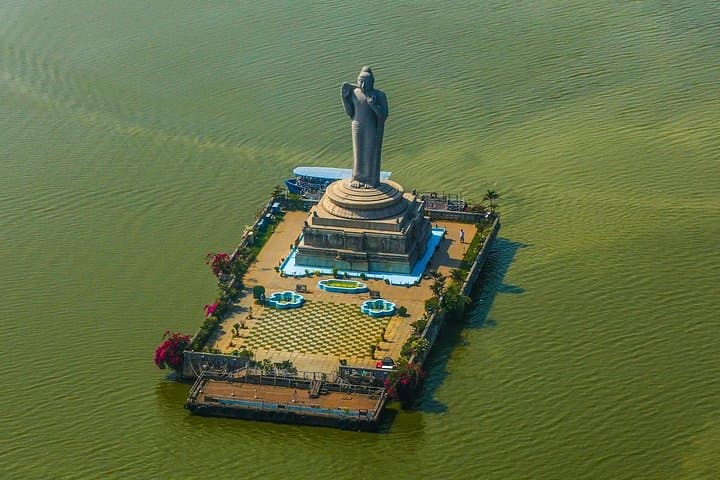

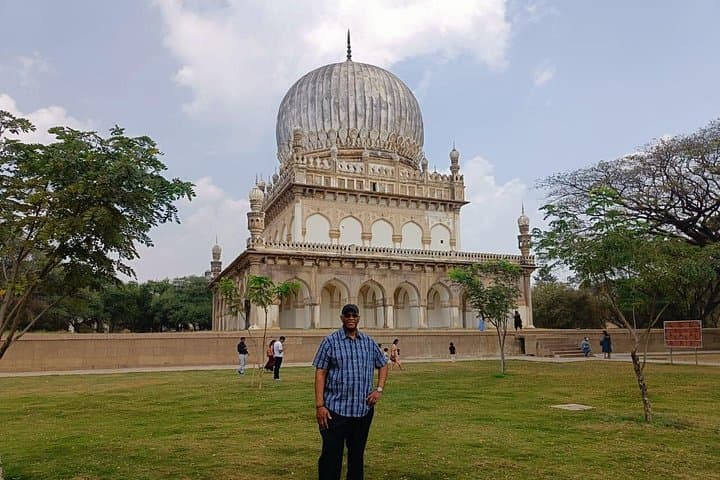

You step out of Hyderabad’s humid evening and into a long ribbon of highway that stitches Deccan forts, laterite hills and coastal light into a single route — nine days of monuments, markets and a finish on Goa’s beach-swept shore.
You step out of Hyderabad’s humid evening and into a long ribbon of highway that stitches Deccan forts, laterite hills and coastal light into a single route — nine days of monuments, markets and a finish on Goa’s beach-swept shore.
The trip reads like a primer on South India’s dynasties: Qutub Shahi palaces and the acoustic chambers of Golconda, the Persian-flavored tombs and madrasas of Bidar, the soaring dome of Gol Gumbaz in Bijapur built under the Adil Shahs, then the Portuguese churches and Aguada’s lighthouse in Goa. Geology matters here too — you travel across the Deccan Plateau, its basalt flows and laterite outcrops shaping forts and temple foundations, then descend to the laterite and sands of the Konkan coast where the Arabian Sea plays with monsoon rhythms.
Along the way bazaars, spice shops and temple courtyards frame everyday life; local guides narrate legends of diamond mines, Sufi saints and royal patronage that made these towns important crossroads.
Practical guidance: expect mostly road travel with short, often uneven walks at sites; daily drives range from 3–5 hours, so plan light days for photography and acclimatization. Wear sturdy walking shoes for fort staircases, carry 2–3 liters of water and a sun hat; mornings are the best time for major monuments to avoid heat and crowds. Cash helps at smaller temples and markets, and allow flexibility for local ferries or tide-affected coastal stops. Respect dress codes at religious sites and keep a small pack for cameras, sunscreen and modest offerings.