THE ADVENTURE COLLECTIVE® · Independent discovery and booking for outdoor travel

Taste Osaka’s markets on a four-hour walking tour that moves from luxe department depachika to local wet markets, Korea Town, and Kuromon. Learn food history, sample seasonal bites, and get practical tips for navigating crowds and cash-only stalls.
Taste Osaka’s markets on a four-hour walking tour that moves from luxe department depachika to local wet markets, Korea Town, and Kuromon. Learn food history, sample seasonal bites, and get practical tips for navigating crowds and cash-only stalls.
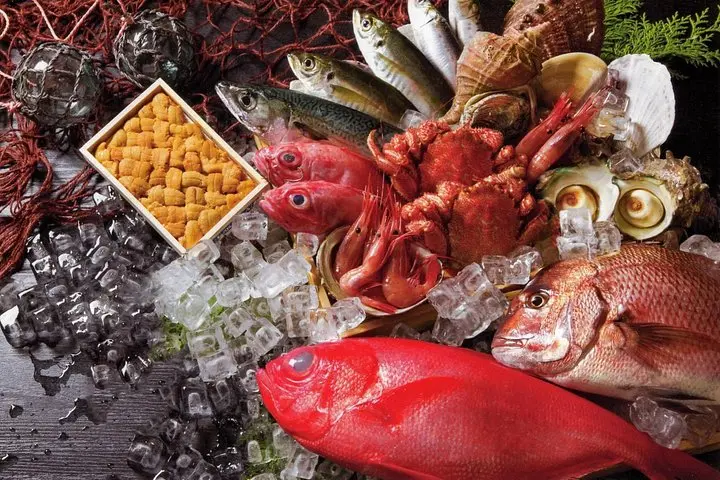
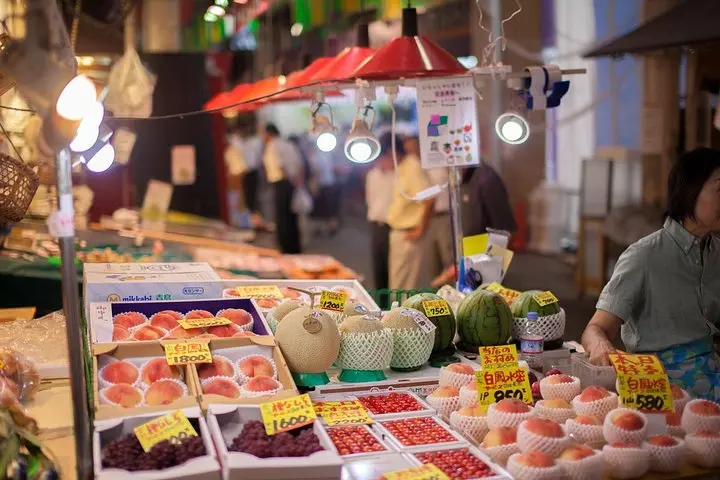
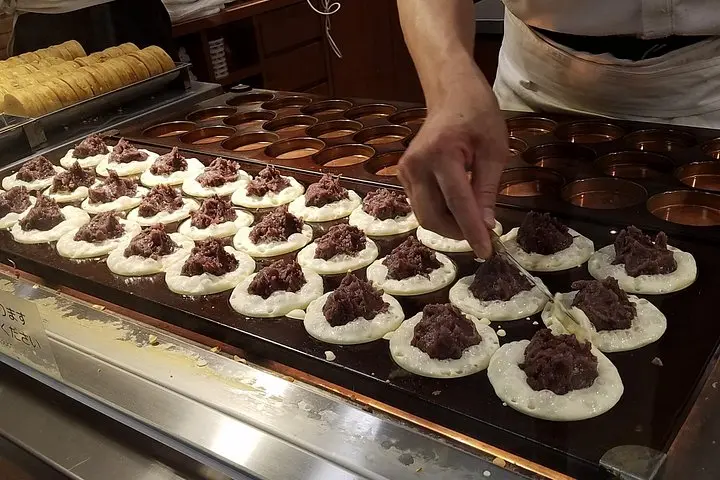
Step off the subway and the city pushes its appetite at you: fluorescent-lit stalls, steam rising from takoyaki griddles, and the clipped, practiced calls of shopkeepers selling shellfish and wagyu slices.
Verified experiences and guided adventures in the surrounding area.
Operated by Pinpoint Traveler, Inc · Osaka, Osaka Prefecture
Step off the subway and the city pushes its appetite at you: fluorescent-lit stalls, steam rising from takoyaki griddles, and the clipped, practiced calls of shopkeepers selling shellfish and wagyu slices.
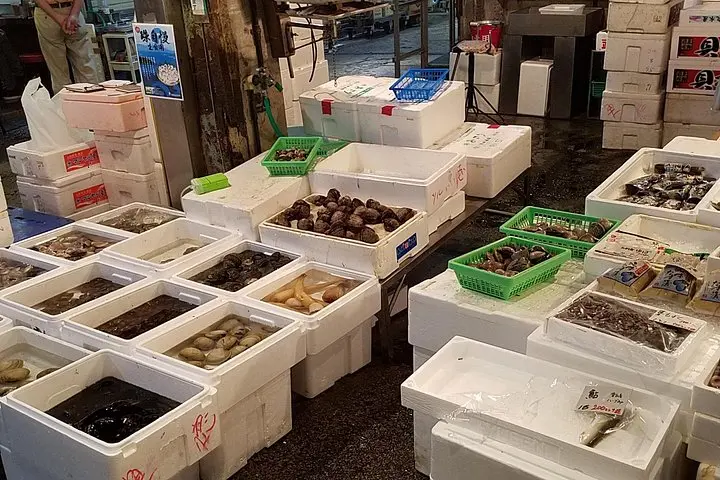
This four-hour walking tour threads modern and traditional Osaka — from a gleaming depachika (department store food hall) to the wet alleys of neighborhood markets, the covered length of Nipponbashi shopping, a lively Korea Town, and the famed Kuromon Ichiba. Osaka’s identity as a mercantile hub dates back centuries; its rivers and flat alluvial plain made it a distribution center for fish and produce, and those trade patterns shaped the eating culture you see today.
Geology here is subtle: the Osaka Plain’s low rivers and reclaimed land allowed dense markets to cluster, while the city’s constant reinvention layered old merchant stalls next to modern culinary boutiques. Culturally, expect direct, service-oriented vendors who prize freshness over fuss — and no tipping culture.
Practical guidance: plan to walk 2–4 miles at a relaxed pace with many short stops; wear comfortable shoes and bring cash for smaller snacks (many stalls accept cards but cash is common). Go hungry but pace your tastings — portions vary from single bites to shareable plates. Morning-to-early-afternoon tours beat dinner crowds and keep line wait times low. Ask your guide about seasonality — winter offers crab and stews, summer brings fresh eel and chilled sweets.
Accessibility: most stops listed are wheelchair accessible, but crowded alleys can be tight; check with your operator if mobility is a concern. Leave room in your bag for a small culinary souvenir.
Yes — the itinerary is built around multiple tastings at markets and stalls; check the tour details for any optional paid tastings or specialty items.
The tour is family-friendly with moderate walking; many areas are stroller-accessible but alleys can be tight — bring a compact stroller if needed.
Guides typically know vendors and can suggest or avoid items for common allergies and dietary preferences — inform the operator at booking.
Tipping shopkeepers isn’t customary; guides sometimes accept gratuities for excellent service but it’s entirely optional.
Pinpoint Traveler, Inc operates guided outdoor trips and adventures with an emphasis on safety, stewardship, and memorable experiences.
Step off the subway and the city pushes its appetite at you: fluorescent-lit stalls, steam rising from takoyaki griddles, and the clipped, practiced calls of shopkeepers selling shellfish and wagyu slices.
Step off the subway and the city pushes its appetite at you: fluorescent-lit stalls, steam rising from takoyaki griddles, and the clipped, practiced calls of shopkeepers selling shellfish and wagyu slices.
This four-hour walking tour threads modern and traditional Osaka — from a gleaming depachika (department store food hall) to the wet alleys of neighborhood markets, the covered length of Nipponbashi shopping, a lively Korea Town, and the famed Kuromon Ichiba. Osaka’s identity as a mercantile hub dates back centuries; its rivers and flat alluvial plain made it a distribution center for fish and produce, and those trade patterns shaped the eating culture you see today.
Geology here is subtle: the Osaka Plain’s low rivers and reclaimed land allowed dense markets to cluster, while the city’s constant reinvention layered old merchant stalls next to modern culinary boutiques. Culturally, expect direct, service-oriented vendors who prize freshness over fuss — and no tipping culture.
Practical guidance: plan to walk 2–4 miles at a relaxed pace with many short stops; wear comfortable shoes and bring cash for smaller snacks (many stalls accept cards but cash is common). Go hungry but pace your tastings — portions vary from single bites to shareable plates. Morning-to-early-afternoon tours beat dinner crowds and keep line wait times low. Ask your guide about seasonality — winter offers crab and stews, summer brings fresh eel and chilled sweets.
Accessibility: most stops listed are wheelchair accessible, but crowded alleys can be tight; check with your operator if mobility is a concern. Leave room in your bag for a small culinary souvenir.