THE ADVENTURE COLLECTIVE® · Independent discovery and booking for outdoor travel

Cycle through the chapters of modern Germany on a five-hour guided ride that focuses on Berlin’s 20th-century upheavals. Expect measured pace, frequent historical stops, and a guide who tailors the route to your interests.
Cycle through the chapters of modern Germany on a five-hour guided ride that focuses on Berlin’s 20th-century upheavals. Expect measured pace, frequent historical stops, and a guide who tailors the route to your interests.
You roll away from a cobbled square, tires whispering on stone, the Spree daring you to follow its bends as your guide maps a century of abrupt change. In five hours the city rearranges itself: wide boulevards that once hosted parades, narrow lanes where resistance met surveillance, and open parks that used to be no-man’s land between two states.
Verified experiences and guided adventures in the surrounding area.
Operated by FREE BERLIN Bike Tours · Berlin, Berlin
You roll away from a cobbled square, tires whispering on stone, the Spree daring you to follow its bends as your guide maps a century of abrupt change. In five hours the city rearranges itself: wide boulevards that once hosted parades, narrow lanes where resistance met surveillance, and open parks that used to be no-man’s land between two states.
Berlin’s twentieth-century story is visible in brick and concrete. From the Reichstag’s stone scars to the staggered pillars of the Holocaust Memorial, the route threads episodes of the Weimar experiment, Nazi infrastructure, wartime destruction and the Cold War division that carved the city in two. Geologically the landscape is flat—an old glacial plain—so cycling stays steady while the history accelerates.
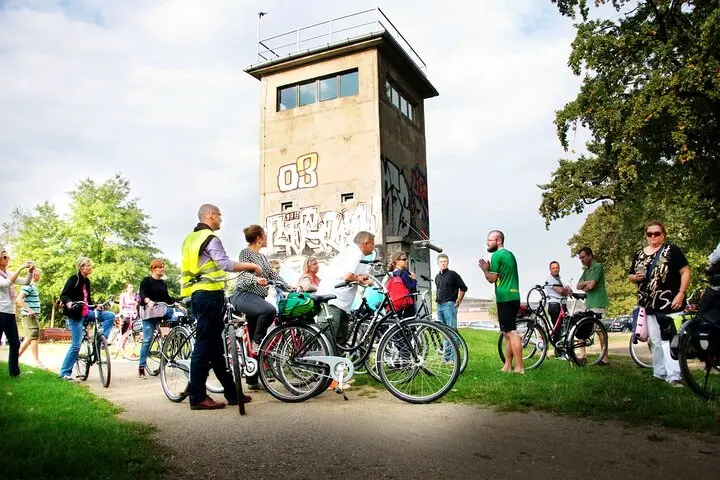
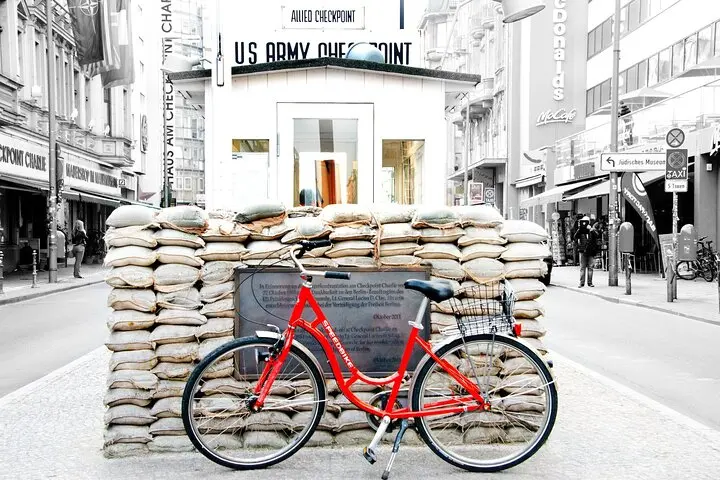
Culturally, the tour moves past memorials, former government buildings and neighborhoods that reinvented themselves after reunification; locals still debate architecture, memory and the cost of urban renewal. Guides on this “free concept” route adapt stops to the group’s interests, bringing archival photos or pointing out subtle markers of past borders.
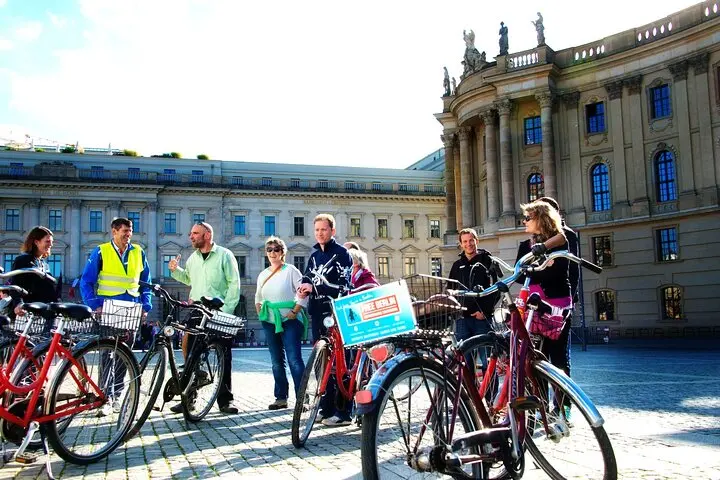
Practicalities are direct: bikes and helmets are provided, the pace is moderate and the route covers central districts with frequent stops for interpretation. Expect a mix of bike lanes, shared streets and park paths—watch tram tracks and morning traffic. Bring water, a charged phone, layered clothing and a readiness to walk the bike through crowded memorial sites. Bookings are mobile-ticketed; cancel at least 24 hours in advance for a refund. In short: it’s an urban ride that asks you to look closely—at architecture, at scars, and at how a city keeps its stories alive.
Yes — bicycles and helmets are provided as part of the tour price; you may bring your own helmet if you prefer.
The tour is rated easy and suitable for most riders; children should be comfortable on urban streets and may require an infant seat or child bike setup—ask when booking.
Full refunds are available if you cancel at least 24 hours before departure; no refund for same-day cancellations.
Yes — guides use a flexible route plan and may adjust stops to match group interest, weather or local events.
FREE BERLIN Bike Tours operates guided outdoor trips and adventures with an emphasis on safety, stewardship, and memorable experiences.
You roll away from a cobbled square, tires whispering on stone, the Spree daring you to follow its bends as your guide maps a century of abrupt change. In five hours the city rearranges itself: wide boulevards that once hosted parades, narrow lanes where resistance met surveillance, and open parks that used to be no-man’s land between two states.
You roll away from a cobbled square, tires whispering on stone, the Spree daring you to follow its bends as your guide maps a century of abrupt change. In five hours the city rearranges itself: wide boulevards that once hosted parades, narrow lanes where resistance met surveillance, and open parks that used to be no-man’s land between two states.
Berlin’s twentieth-century story is visible in brick and concrete. From the Reichstag’s stone scars to the staggered pillars of the Holocaust Memorial, the route threads episodes of the Weimar experiment, Nazi infrastructure, wartime destruction and the Cold War division that carved the city in two. Geologically the landscape is flat—an old glacial plain—so cycling stays steady while the history accelerates.
Culturally, the tour moves past memorials, former government buildings and neighborhoods that reinvented themselves after reunification; locals still debate architecture, memory and the cost of urban renewal. Guides on this “free concept” route adapt stops to the group’s interests, bringing archival photos or pointing out subtle markers of past borders.
Practicalities are direct: bikes and helmets are provided, the pace is moderate and the route covers central districts with frequent stops for interpretation. Expect a mix of bike lanes, shared streets and park paths—watch tram tracks and morning traffic. Bring water, a charged phone, layered clothing and a readiness to walk the bike through crowded memorial sites. Bookings are mobile-ticketed; cancel at least 24 hours in advance for a refund. In short: it’s an urban ride that asks you to look closely—at architecture, at scars, and at how a city keeps its stories alive.