THE ADVENTURE COLLECTIVE® · Independent discovery and booking for outdoor travel

A five-day expedition into Yasuni National Park that pairs canoe passages with guided rainforest walks, parrot clay licks, and nights in raised tent platforms run by local Kichwa hosts. Plan for wet trails, long river transfers, and exceptional bird and mammal viewing.
A five-day expedition into Yasuni National Park that pairs canoe passages with guided rainforest walks, parrot clay licks, and nights in raised tent platforms run by local Kichwa hosts. Plan for wet trails, long river transfers, and exceptional bird and mammal viewing.
You push off the motorized canoe and the Tiputini River closes behind you like a slow-moving wall of green; humidity climbs, and the jungle leans in. Parrots and macaws flare across the canopy, and the guides—Kichwa and naturalists—read the water and the forest like a map. This is the rhythm of Yasuni: river, trail, lagoon, night chorus.
Verified experiences and guided adventures in the surrounding area.
Operated by Adventure Journeys · Coca, Orellana
You push off the motorized canoe and the Tiputini River closes behind you like a slow-moving wall of green; humidity climbs, and the jungle leans in. Parrots and macaws flare across the canopy, and the guides—Kichwa and naturalists—read the water and the forest like a map. This is the rhythm of Yasuni: river, trail, lagoon, night chorus.
Yasuni National Park sits on dark, nutrient-poor soils above ancient Amazonian sediments, yet supports enormous biodiversity because of its stable climate and complex river networks. The Kichwa people have lived here for generations; several homestays and the Mandari Panga structures in the itinerary reflect living cultural practices and local knowledge passed down about medicinal plants and seasonal animal movements.
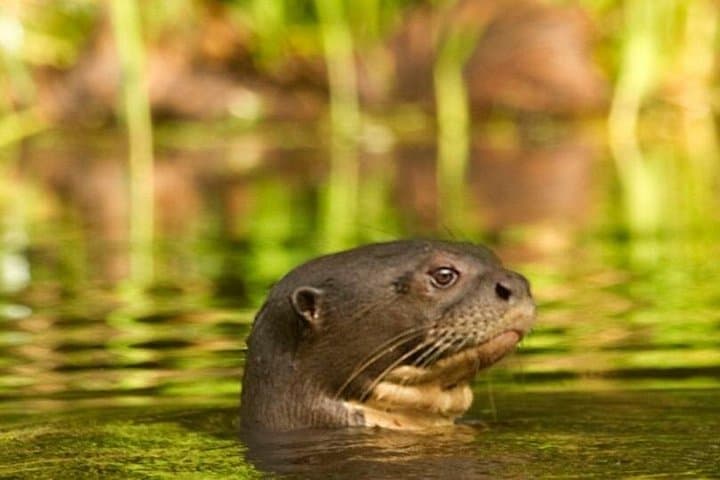
Expect long canoe transfers on the Tiputini, multi-hour forest walks (3–6 hours), visits to parrot clay licks, oxbow lagoons where giant otters surface, and guided night outings. Terrain is humid lowland rainforest: flat but with muddy, root-strewn trails, boardwalks in some places, and shallow riverbanks. Wildlife sightings range from noisy howler monkeys and toucans to elusive tapir or, with luck, jaguar signs; birdwatching is a highlight at dawn.
Practical guidance: bring waterproof dry bags and rubber boots, insect protection, layered quick-dry clothing, and a lightweight rain shell. Hydrate often; sunscreen still matters under a high canopy. Follow guide instructions around wildlife and local homes—respecting quiet at clay licks and cultural protocols. The trip suits travelers ready for multi-day camping comforts rather than rugged backcountry solitude; expect comfortable tent platforms and communal meals prepared locally.
Accommodations are raised safari-style tents on platforms with basic comforts—beds or sleeping pads, communal dining, and camp-provided meals rather than full hotel amenities.
Consult a travel clinic about routine vaccines and malaria prophylaxis; yellow fever vaccination is often recommended for Ecuadorian Amazon travel.
Large mammals are present but sightings are rare; guides focus on signs, tracks, and reliable viewing opportunities like lagoons where otters and tapirs are more commonly seen.
The program notes suitability for a range of fitness levels, but expect long boat rides and multi-hour walks—discuss mobility needs with the operator before booking.
Adventure Journeys operates guided outdoor trips and adventures with an emphasis on safety, stewardship, and memorable experiences.

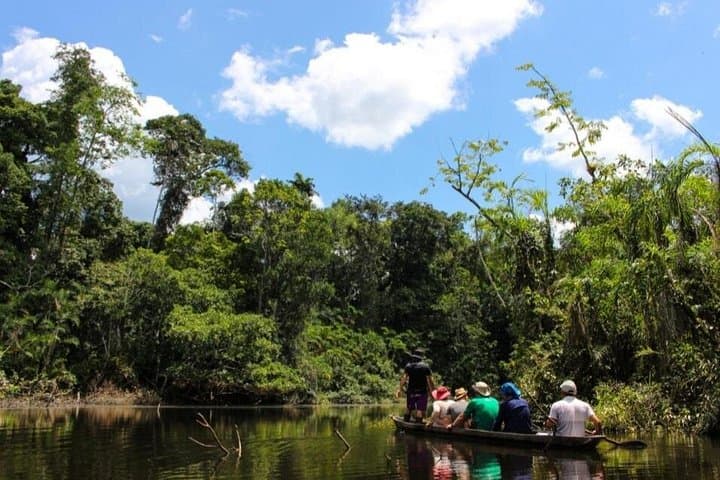

You push off the motorized canoe and the Tiputini River closes behind you like a slow-moving wall of green; humidity climbs, and the jungle leans in. Parrots and macaws flare across the canopy, and the guides—Kichwa and naturalists—read the water and the forest like a map. This is the rhythm of Yasuni: river, trail, lagoon, night chorus.
You push off the motorized canoe and the Tiputini River closes behind you like a slow-moving wall of green; humidity climbs, and the jungle leans in. Parrots and macaws flare across the canopy, and the guides—Kichwa and naturalists—read the water and the forest like a map. This is the rhythm of Yasuni: river, trail, lagoon, night chorus.
Yasuni National Park sits on dark, nutrient-poor soils above ancient Amazonian sediments, yet supports enormous biodiversity because of its stable climate and complex river networks. The Kichwa people have lived here for generations; several homestays and the Mandari Panga structures in the itinerary reflect living cultural practices and local knowledge passed down about medicinal plants and seasonal animal movements.
Expect long canoe transfers on the Tiputini, multi-hour forest walks (3–6 hours), visits to parrot clay licks, oxbow lagoons where giant otters surface, and guided night outings. Terrain is humid lowland rainforest: flat but with muddy, root-strewn trails, boardwalks in some places, and shallow riverbanks. Wildlife sightings range from noisy howler monkeys and toucans to elusive tapir or, with luck, jaguar signs; birdwatching is a highlight at dawn.
Practical guidance: bring waterproof dry bags and rubber boots, insect protection, layered quick-dry clothing, and a lightweight rain shell. Hydrate often; sunscreen still matters under a high canopy. Follow guide instructions around wildlife and local homes—respecting quiet at clay licks and cultural protocols. The trip suits travelers ready for multi-day camping comforts rather than rugged backcountry solitude; expect comfortable tent platforms and communal meals prepared locally.