THE ADVENTURE COLLECTIVE® · Independent discovery and booking for outdoor travel

Walk Kamla Nagar with a local guide, sample iconic street snacks from shawarma to kulfi, and take a short rickshaw ride through market lanes for a concentrated taste of Delhi’s food scene.
Walk Kamla Nagar with a local guide, sample iconic street snacks from shawarma to kulfi, and take a short rickshaw ride through market lanes for a concentrated taste of Delhi’s food scene.
The walk begins where the market hums — vendors calling, spice stalls exhaling the scent of cumin and fried dough, and a rickshaw bell punctuating the rhythm of Kamla Nagar. Participants thread through narrow lanes, stopping at steaming momo stalls, a shawarma grilled with distinctly Indian spices, and a kulfi-falooda cart that draws a quiet crowd. Small groups move at a local pace, guided by someone who knows which stalls keep the freshest batter and where to find the crispiest golgappa.
Verified experiences and guided adventures in the surrounding area.
Operated by Intrepid Urban Adventures - India · New Delhi, Delhi
The walk begins where the market hums — vendors calling, spice stalls exhaling the scent of cumin and fried dough, and a rickshaw bell punctuating the rhythm of Kamla Nagar. Participants thread through narrow lanes, stopping at steaming momo stalls, a shawarma grilled with distinctly Indian spices, and a kulfi-falooda cart that draws a quiet crowd. Small groups move at a local pace, guided by someone who knows which stalls keep the freshest batter and where to find the crispiest golgappa.
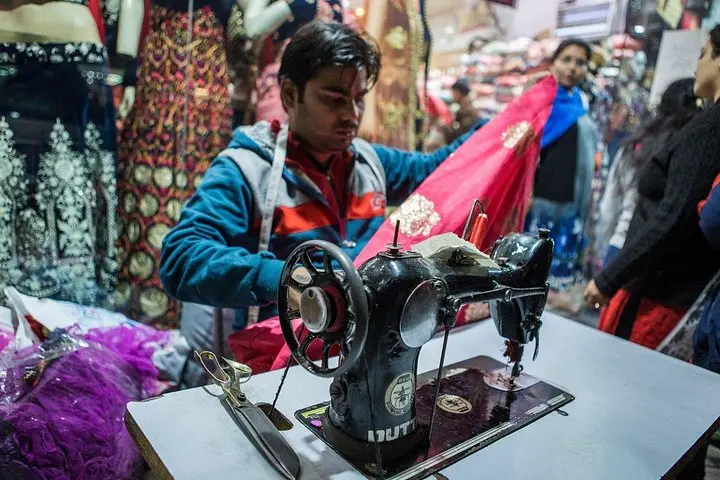
Delhi’s street food culture is rooted in centuries of trade and migration: Mughal, Punjabi and Anglo influences layer the menu here. Kamla Nagar sits on the edge of North Campus, a modern marketplace built over older village routes; a nearby Hanuman temple anchors daily rituals and offers a glimpse of religious life that feeds into the market’s cadence.
Practical guidance is clear: this is a three-hour, low-effort urban food walk with repeated stops and short rickshaw legs. Expect standing, short queues and close quarters. Bring small-denomination cash for incidental purchases, notify your guide of dietary restrictions up front, and pace your eating — portions are sampling size but rich.
Timing matters: late afternoon avoids the midday heat and brings sharper flavors from freshly fried snacks. Wear comfortable, closed shoes for uneven pavement, and carry a refill bottle — bottled water is usually available, but vendors vary. This tour is ideal for curious eaters who want an efficient, flavorful introduction to Delhi’s street eats and the market life that sustains them.
The experience lasts about three hours with multiple food stops and a short rickshaw ride.
Yes — the tour includes vegetarian and non-vegetarian dishes; inform the guide at the start to tailor stops.
Yes; kids 6–11 join at the regular rate and under-6 ride free when seated on a guardian’s lap, but notify the operator in advance.
Guides choose popular, busy stalls with high turnover to reduce risk; if you have a sensitive stomach, stick to cooked items and bottled water.
Intrepid Urban Adventures - India operates guided outdoor trips and adventures with an emphasis on safety, stewardship, and memorable experiences.
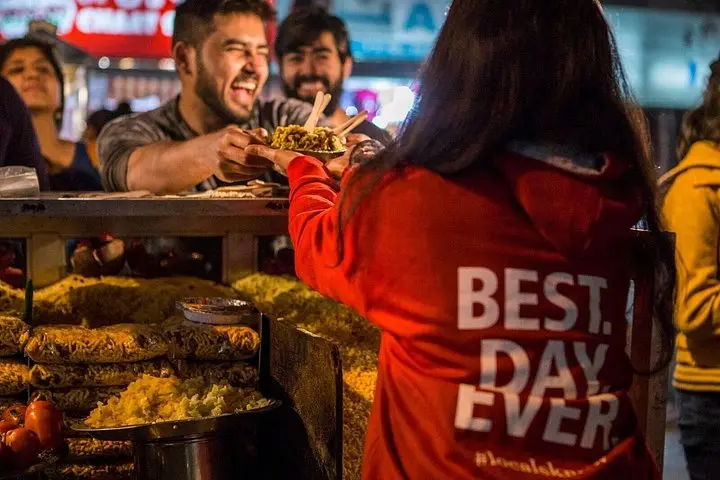
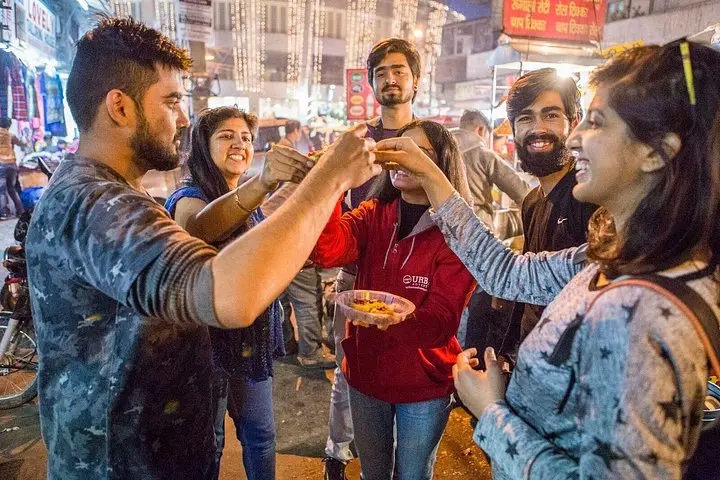
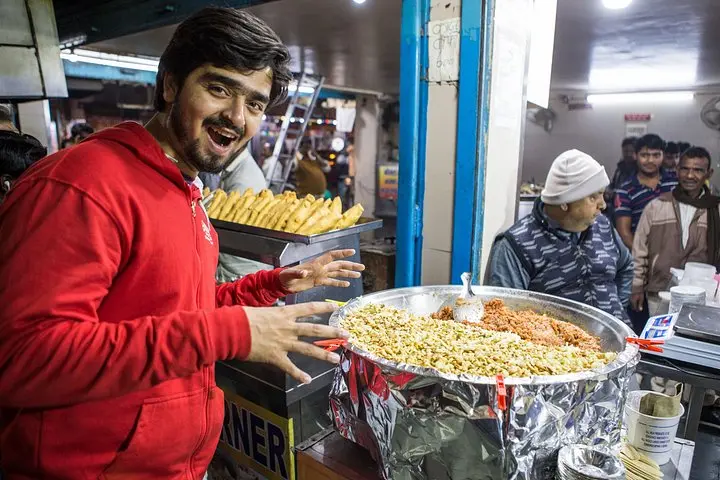
The walk begins where the market hums — vendors calling, spice stalls exhaling the scent of cumin and fried dough, and a rickshaw bell punctuating the rhythm of Kamla Nagar. Participants thread through narrow lanes, stopping at steaming momo stalls, a shawarma grilled with distinctly Indian spices, and a kulfi-falooda cart that draws a quiet crowd. Small groups move at a local pace, guided by someone who knows which stalls keep the freshest batter and where to find the crispiest golgappa.
The walk begins where the market hums — vendors calling, spice stalls exhaling the scent of cumin and fried dough, and a rickshaw bell punctuating the rhythm of Kamla Nagar. Participants thread through narrow lanes, stopping at steaming momo stalls, a shawarma grilled with distinctly Indian spices, and a kulfi-falooda cart that draws a quiet crowd. Small groups move at a local pace, guided by someone who knows which stalls keep the freshest batter and where to find the crispiest golgappa.
Delhi’s street food culture is rooted in centuries of trade and migration: Mughal, Punjabi and Anglo influences layer the menu here. Kamla Nagar sits on the edge of North Campus, a modern marketplace built over older village routes; a nearby Hanuman temple anchors daily rituals and offers a glimpse of religious life that feeds into the market’s cadence.
Practical guidance is clear: this is a three-hour, low-effort urban food walk with repeated stops and short rickshaw legs. Expect standing, short queues and close quarters. Bring small-denomination cash for incidental purchases, notify your guide of dietary restrictions up front, and pace your eating — portions are sampling size but rich.
Timing matters: late afternoon avoids the midday heat and brings sharper flavors from freshly fried snacks. Wear comfortable, closed shoes for uneven pavement, and carry a refill bottle — bottled water is usually available, but vendors vary. This tour is ideal for curious eaters who want an efficient, flavorful introduction to Delhi’s street eats and the market life that sustains them.