THE ADVENTURE COLLECTIVE® · Independent discovery and booking for outdoor travel

Cover Delhi’s best in one private day: Rajpath’s stately avenues, the soaring Qutb Minar, Mughal tombs and the Red Fort, with a local guide and air‑conditioned transport. Ideal for first‑time visitors who want a compact, historically rich introduction to the city.
Cover Delhi’s best in one private day: Rajpath’s stately avenues, the soaring Qutb Minar, Mughal tombs and the Red Fort, with a local guide and air‑conditioned transport. Ideal for first‑time visitors who want a compact, historically rich introduction to the city.
Morning light hits the sandstone of India Gate as the city stirs—rickshaws hum, chai stalls steam, and an air-conditioned car waits to carry you through layers of history.
Verified experiences and guided adventures in the surrounding area.
Operated by India Trip · New Delhi, Delhi
Morning light hits the sandstone of India Gate as the city stirs—rickshaws hum, chai stalls steam, and an air-conditioned car waits to carry you through layers of history.
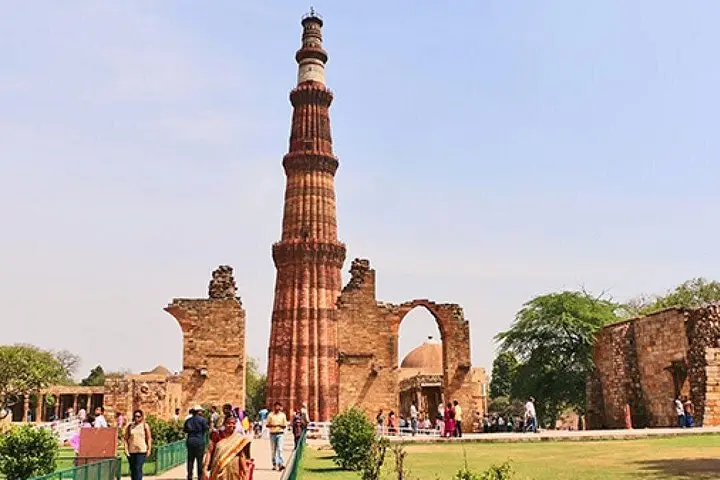
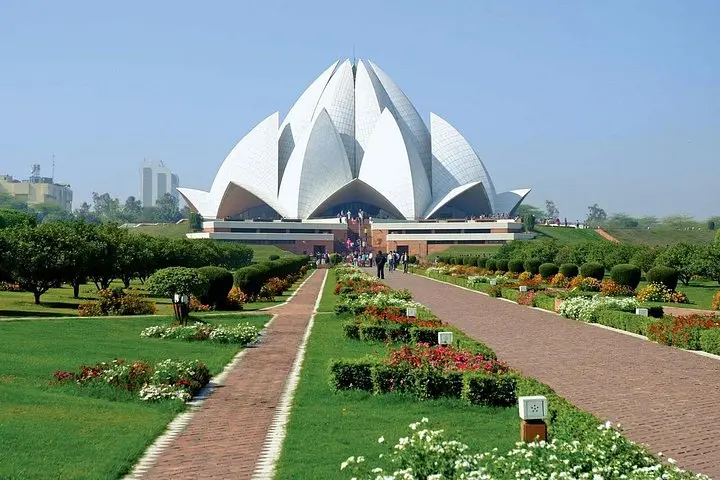
This private eight-hour circuit stitches together New Delhi's imperial and Mughal chapters: Lutyens' Parliament and Rashtrapati Bhavan speak to the British city plan, while Humayun's Tomb and the Red Fort recall Mughal patronage and architectural ambition. Qutb Minar, a 73‑metre tapering minaret, rises from the Mehrauli complex, its red sandstone and fluted balconies marking an early Delhi skyline. The Lotus Temple offers a modern, reflective pause; Jama Masjid and Old Delhi's lanes push you into market life and spice-scented chaos.
Geology here is plain—sandstone and marble quarried from nearby plains—yet the cultural layers feel geological: successive capitals laid atop earlier foundations. Local life threads the monuments: vendors, morning walkers, and temple-goers create a living context for each site.
Expect short guided walks at each stop and several short drives across the city; distances between clusters can be 6–15 km. The pace is steady but accessible—suitable for most fitness levels—with intermittent stairs at heritage sites.
Practical notes: start early to avoid traffic and midday heat, carry a reusable water bottle, wear covered shoulders for mosque and temple entries, and keep ID for ticketed monuments. Plan for security checks and modest entrance fees at UNESCO and Mughal sites. With a private guide and vehicle, you get flexibility: linger at a tomb garden or skip a stop if weather or crowds demand it.
This tour blends easy walking with concentrated cultural exposure—great for first-time visitors who want a compact, responsibility-minded overview of Delhi.
No—this private tour includes transportation and a guide; most monuments require separate entrance fees paid on-site unless stated otherwise.
Yes—private transportation with an air-conditioned vehicle is included; confirm your preferred pickup point when booking.
Yes—listed as suitable for all physical fitness levels, though those with mobility issues should note there are stairs and walking at some sites.
Carry a government ID or passport copy for ticket purchases and security checks; international visitors should have their passport identity page accessible.
India Trip operates guided outdoor trips and adventures with an emphasis on safety, stewardship, and memorable experiences.
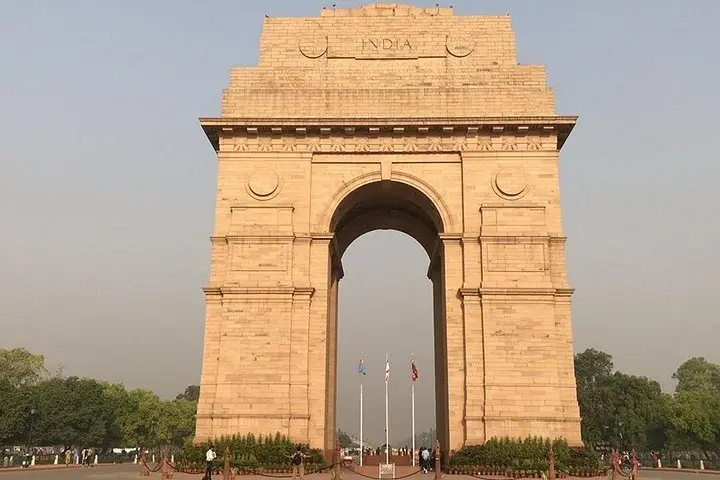

Morning light hits the sandstone of India Gate as the city stirs—rickshaws hum, chai stalls steam, and an air-conditioned car waits to carry you through layers of history.
Morning light hits the sandstone of India Gate as the city stirs—rickshaws hum, chai stalls steam, and an air-conditioned car waits to carry you through layers of history.
This private eight-hour circuit stitches together New Delhi's imperial and Mughal chapters: Lutyens' Parliament and Rashtrapati Bhavan speak to the British city plan, while Humayun's Tomb and the Red Fort recall Mughal patronage and architectural ambition. Qutb Minar, a 73‑metre tapering minaret, rises from the Mehrauli complex, its red sandstone and fluted balconies marking an early Delhi skyline. The Lotus Temple offers a modern, reflective pause; Jama Masjid and Old Delhi's lanes push you into market life and spice-scented chaos.
Geology here is plain—sandstone and marble quarried from nearby plains—yet the cultural layers feel geological: successive capitals laid atop earlier foundations. Local life threads the monuments: vendors, morning walkers, and temple-goers create a living context for each site.
Expect short guided walks at each stop and several short drives across the city; distances between clusters can be 6–15 km. The pace is steady but accessible—suitable for most fitness levels—with intermittent stairs at heritage sites.
Practical notes: start early to avoid traffic and midday heat, carry a reusable water bottle, wear covered shoulders for mosque and temple entries, and keep ID for ticketed monuments. Plan for security checks and modest entrance fees at UNESCO and Mughal sites. With a private guide and vehicle, you get flexibility: linger at a tomb garden or skip a stop if weather or crowds demand it.
This tour blends easy walking with concentrated cultural exposure—great for first-time visitors who want a compact, responsibility-minded overview of Delhi.