THE ADVENTURE COLLECTIVE® · Independent discovery and booking for outdoor travel

Navigate Delhi’s busiest markets with a female consultant who knows the best stalls, tailors and spice vendors. This half‑ or full‑day, private shopping tour mixes cultural context with practical tips for buying textiles, jewelry, spices and wedding wear.
Navigate Delhi’s busiest markets with a female consultant who knows the best stalls, tailors and spice vendors. This half‑ or full‑day, private shopping tour mixes cultural context with practical tips for buying textiles, jewelry, spices and wedding wear.
You step out of an air‑conditioned vehicle and into a shoulder-to-shoulder lane where saffron, cardamom and the tang of tamarind thread through the air like a challenge. Stalls lean in close; shopkeepers call out measured prices; silks and pashminas ripple under a single bare bulb. This is Delhi’s marketplace — raw, loud and generous — and a female consultant leads the way, translating craft, custom and cadence into a plan that fits your needs.
Verified experiences and guided adventures in the surrounding area.
Operated by TravExcel India Tours & Travel · New Delhi, Delhi
You step out of an air‑conditioned vehicle and into a shoulder-to-shoulder lane where saffron, cardamom and the tang of tamarind thread through the air like a challenge. Stalls lean in close; shopkeepers call out measured prices; silks and pashminas ripple under a single bare bulb. This is Delhi’s marketplace — raw, loud and generous — and a female consultant leads the way, translating craft, custom and cadence into a plan that fits your needs.
The route typically stitches together Old Delhi’s Chandni Chowk and Khari Baoli spice street, the jewelry lanes of Dariba Kalan, the function-focused Kinari Bazaar and the boutique culture of Shahpur Jat. These places grew from Shahjahanabad’s 17th‑century urban core and later commercial specialization — spices here, fabrics there — layered atop centuries of trade and migration.
Expect narrow alleys, uneven stone and quick moving crowds. Bargaining is part of the map; many goods are handmade or small-batch, from hand-knotted rugs to attars and bridal lehengas tailored within hours. Cultural insight is central: learn about block printing, pashmina grades, and how spice merchants roast and measure by sight.
Practical guidance: wear comfortable shoes and keep a small daypack for purchases. Plan your tour morning or late afternoon to avoid peak heat; summers can be intense. Carry cash in small notes for bargaining, but ATMs are available in many hubs. If you require tailoring in a day, confirm timelines and try items on in person. Respect shopkeepers’ space, and be ready for a tuk‑tuk or short walk between clusters. With a local consultant, the markets open up — more than shopping, it’s a guided lesson in craft, commerce and Delhi’s lived history.
Yes — many tours include tailors who can stitch basic garments in 4–6 hours, but confirm complexity, sizing, and fittings up front.
Yes — bargaining is customary in most markets; start lower than your target price and be polite and decisive.
Some larger shops and boutiques accept cards, but many stalls are cash-only, especially in Old Delhi and spice markets.
Yes — the tour is led by a female consultant and designed for comfort and cultural safety, but standard street-awareness and modest dress are recommended.
TravExcel India Tours & Travel operates guided outdoor trips and adventures with an emphasis on safety, stewardship, and memorable experiences.
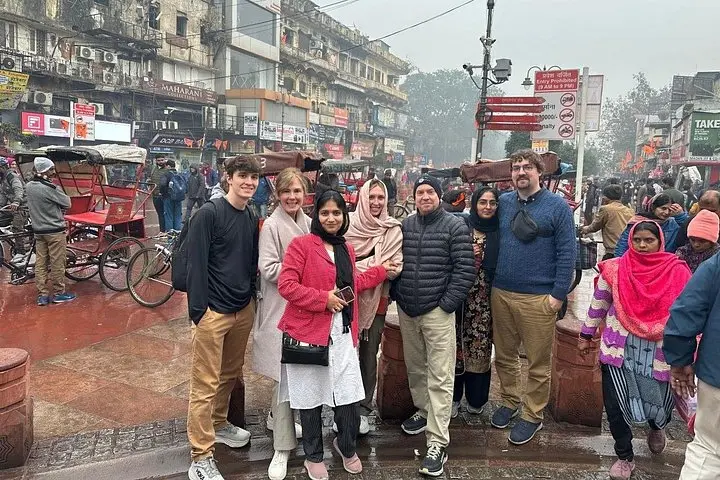
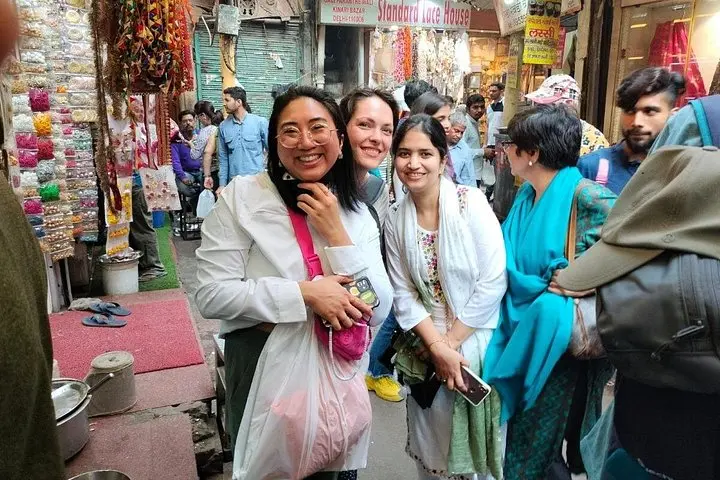


You step out of an air‑conditioned vehicle and into a shoulder-to-shoulder lane where saffron, cardamom and the tang of tamarind thread through the air like a challenge. Stalls lean in close; shopkeepers call out measured prices; silks and pashminas ripple under a single bare bulb. This is Delhi’s marketplace — raw, loud and generous — and a female consultant leads the way, translating craft, custom and cadence into a plan that fits your needs.
You step out of an air‑conditioned vehicle and into a shoulder-to-shoulder lane where saffron, cardamom and the tang of tamarind thread through the air like a challenge. Stalls lean in close; shopkeepers call out measured prices; silks and pashminas ripple under a single bare bulb. This is Delhi’s marketplace — raw, loud and generous — and a female consultant leads the way, translating craft, custom and cadence into a plan that fits your needs.
The route typically stitches together Old Delhi’s Chandni Chowk and Khari Baoli spice street, the jewelry lanes of Dariba Kalan, the function-focused Kinari Bazaar and the boutique culture of Shahpur Jat. These places grew from Shahjahanabad’s 17th‑century urban core and later commercial specialization — spices here, fabrics there — layered atop centuries of trade and migration.
Expect narrow alleys, uneven stone and quick moving crowds. Bargaining is part of the map; many goods are handmade or small-batch, from hand-knotted rugs to attars and bridal lehengas tailored within hours. Cultural insight is central: learn about block printing, pashmina grades, and how spice merchants roast and measure by sight.
Practical guidance: wear comfortable shoes and keep a small daypack for purchases. Plan your tour morning or late afternoon to avoid peak heat; summers can be intense. Carry cash in small notes for bargaining, but ATMs are available in many hubs. If you require tailoring in a day, confirm timelines and try items on in person. Respect shopkeepers’ space, and be ready for a tuk‑tuk or short walk between clusters. With a local consultant, the markets open up — more than shopping, it’s a guided lesson in craft, commerce and Delhi’s lived history.