THE ADVENTURE COLLECTIVE® · Independent discovery and booking for outdoor travel

A four-day circuit that threads India’s spiritual north—train to Amritsar’s Golden Temple and Wagah ceremony, then a scenic drive to Dharamsala’s Tibetan quarter and Dhauladhar foothills. This trip blends cultural immersion with accessible mountain scenery.
A four-day circuit that threads India’s spiritual north—train to Amritsar’s Golden Temple and Wagah ceremony, then a scenic drive to Dharamsala’s Tibetan quarter and Dhauladhar foothills. This trip blends cultural immersion with accessible mountain scenery.
The train whistle fades as the Swarna Shatabdi slips out of New Delhi at first light; fields blur into villages, and anticipation tightens like a packed rucksack. Hours later Amritsar arrives with gold catching the sun—the Harmandir Sahib glows, pilgrims move in steady, whispering rhythm, and the Wagah ceremony that evening thunders with orchestral stomps and disciplined pageantry.
Verified experiences and guided adventures in the surrounding area.
Operated by Agora Voyages Pvt. Ltd. · Dharamsala, Himachal Pradesh
The train whistle fades as the Swarna Shatabdi slips out of New Delhi at first light; fields blur into villages, and anticipation tightens like a packed rucksack. Hours later Amritsar arrives with gold catching the sun—the Harmandir Sahib glows, pilgrims move in steady, whispering rhythm, and the Wagah ceremony that evening thunders with orchestral stomps and disciplined pageantry.
Across the plains the itinerary pivots to the mountains: a five-hour drive of roughly 210 km carries travelers to Dharamsala, where the Dhauladhar range rises abruptly from the valley. The hills here are young and steep—folded thrusts of sedimentary rock capped by cedar and deodar—while McLeod Ganj carries a different pulse: Tibetan prayer flags snapping like conversation, monasteries offering quiet, and cafés serving butter tea alongside western staples.
History threads the route: Amritsar’s Golden Temple anchors Sikh faith and hospitality with its langar tradition; Dharamsala has been the center of the Tibetan exile community since 1959, a modern cultural migration layered onto older Himalayan villages.
Practical guidance: allow four days, pack for big temperature swings—plains heat and cool mountain evenings—carry modest clothing for religious sites, and bring cash for small vendors. Expect light walking in cities and short nature walks in Dharamsala (altitude ~1,450 m). Hydrate, protect skin from sun at high angles, and give yourself time after long travel legs to move deliberately: the region rewards slow attention. Respect temple protocols, keep to marked trails, and use local guides to deepen context and support the communities you visit.
Yes—shoes and socks are removed before entering the complex; there are shoe storage/locking facilities and staff to assist.
The evening ceremony runs most days but timing can change with local schedules; organizers usually confirm the visit for the booked date.
Most walks included (Bhagsu Falls, Dal Lake) are short and non-technical; steeper treks like Triund are optional and require separate planning and fitness.
Local English-speaking guides on sightseeing days and private AC transfers for the itinerary are included per the program details.
Agora Voyages Pvt. Ltd. operates guided outdoor trips and adventures with an emphasis on safety, stewardship, and memorable experiences.
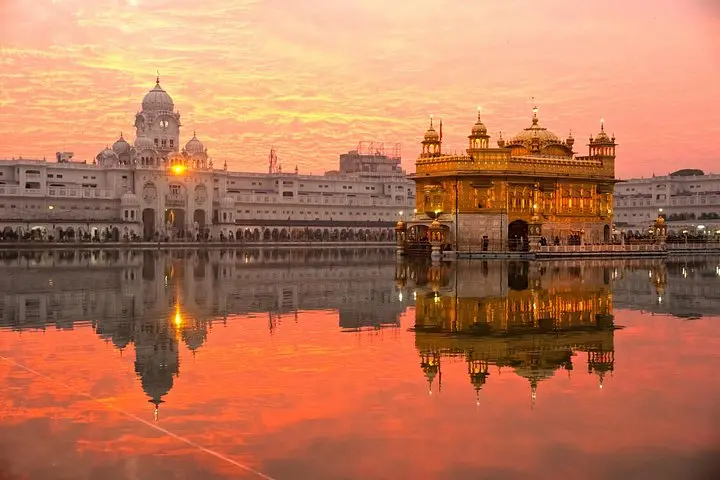
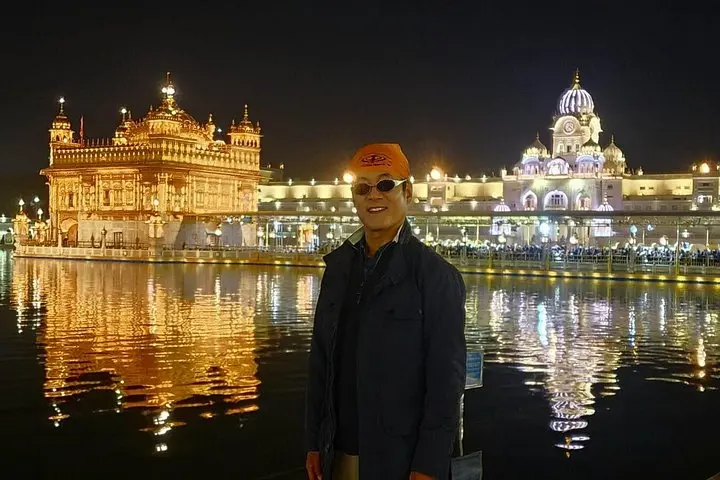
The train whistle fades as the Swarna Shatabdi slips out of New Delhi at first light; fields blur into villages, and anticipation tightens like a packed rucksack. Hours later Amritsar arrives with gold catching the sun—the Harmandir Sahib glows, pilgrims move in steady, whispering rhythm, and the Wagah ceremony that evening thunders with orchestral stomps and disciplined pageantry.
The train whistle fades as the Swarna Shatabdi slips out of New Delhi at first light; fields blur into villages, and anticipation tightens like a packed rucksack. Hours later Amritsar arrives with gold catching the sun—the Harmandir Sahib glows, pilgrims move in steady, whispering rhythm, and the Wagah ceremony that evening thunders with orchestral stomps and disciplined pageantry.
Across the plains the itinerary pivots to the mountains: a five-hour drive of roughly 210 km carries travelers to Dharamsala, where the Dhauladhar range rises abruptly from the valley. The hills here are young and steep—folded thrusts of sedimentary rock capped by cedar and deodar—while McLeod Ganj carries a different pulse: Tibetan prayer flags snapping like conversation, monasteries offering quiet, and cafés serving butter tea alongside western staples.
History threads the route: Amritsar’s Golden Temple anchors Sikh faith and hospitality with its langar tradition; Dharamsala has been the center of the Tibetan exile community since 1959, a modern cultural migration layered onto older Himalayan villages.
Practical guidance: allow four days, pack for big temperature swings—plains heat and cool mountain evenings—carry modest clothing for religious sites, and bring cash for small vendors. Expect light walking in cities and short nature walks in Dharamsala (altitude ~1,450 m). Hydrate, protect skin from sun at high angles, and give yourself time after long travel legs to move deliberately: the region rewards slow attention. Respect temple protocols, keep to marked trails, and use local guides to deepen context and support the communities you visit.