
Delhi to Rishikesh and Corbett Tiger Reserve: Ganga Aarti, Ashrams & Jungle Safaris
Combine river-side rituals in Haridwar and Rishikesh with jeep safaris in Corbett Tiger Reserve. This 4–5 day circuit pairs cultural immersion—Ganga Aarti and ashrams—with guided wildlife drives in classic Sal forest and riverine habitat.
An Adventure In Ramnagar.
Combine river-side rituals in Haridwar and Rishikesh with jeep safaris in Corbett Tiger Reserve. This 4–5 day circuit pairs cultural immersion—Ganga Aarti and ashrams—with guided wildlife drives in classic Sal forest and riverine habitat.
Read the full experience
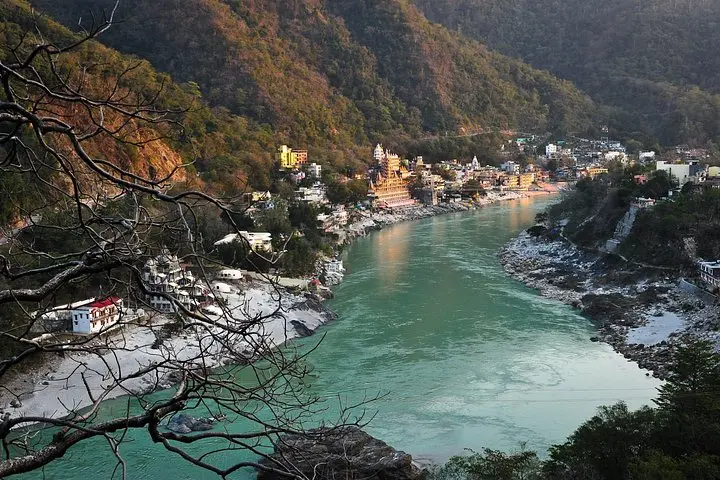
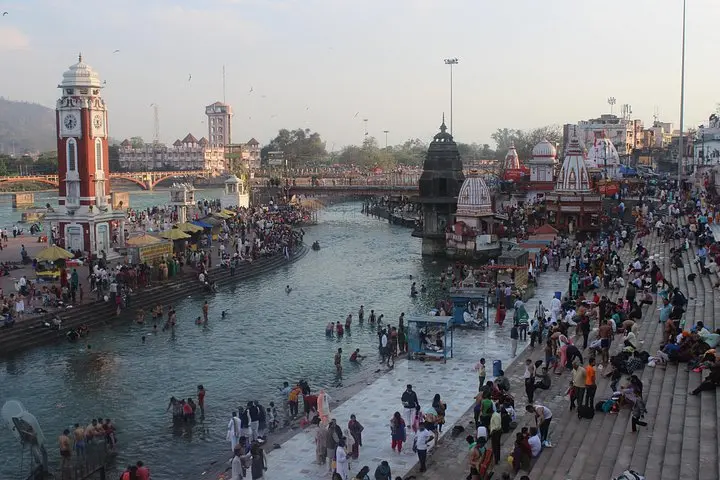
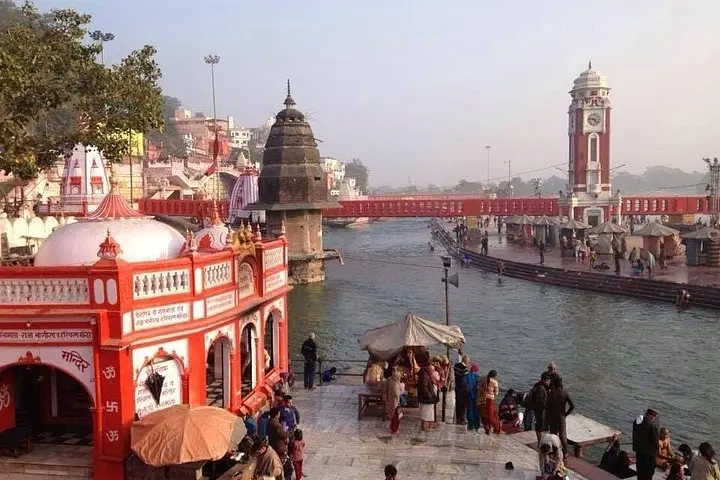
You step out of the car as evening slips across the Ganges; lamps bob like small, deliberate stars while the river seems to urge you forward with a steady, ancient current. In Haridwar and Rishikesh the air is threaded with incense and the low cadence of prayer, and the next morning narrow streets, iron suspension bridges and ashram courtyards give way to the broad, raw green of Corbett.
You step out of the car as evening slips across the Ganges; lamps bob like small, deliberate stars while the river seems to urge you forward with a steady, ancient current. In Haridwar and Rishikesh the air is threaded with incense and the low cadence of prayer, and the next morning narrow streets, iron suspension bridges and ashram courtyards give way to the broad, raw green of Corbett.
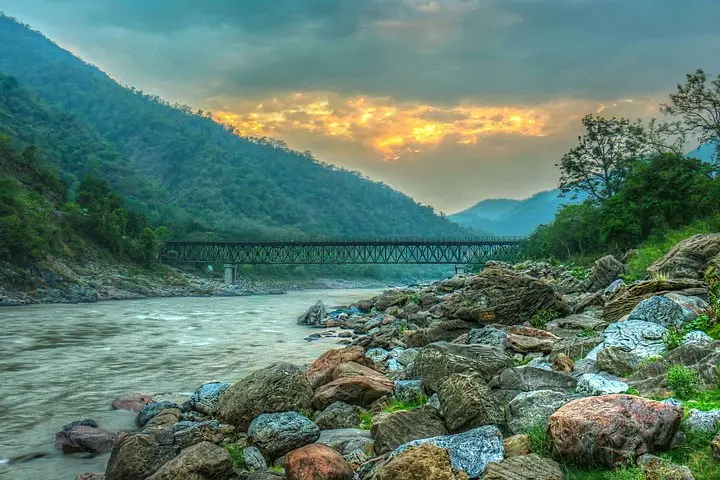
The route moves from the Gangetic plains into the Shivalik foothills—soft, folded hills of sandstone and conglomerate that rise into thicker sal forest and riverine flats. Haridwar and Rishikesh have been pilgrimage hubs for millennia; their ghats and temples anchor regional culture and yoga traditions. Jim Corbett National Park, created in the 1930s, protects dense Sal forest, riverine corridors and the Ramganga reservoir—habitat for Bengal tigers, Asian elephants and a rich birdlife.
Expect cultural contrast and a change of pace: mornings in ashrams and ghat rituals, followed by the measured tension of jeep safaris as guides pick up spoor and birdsong. Safaris focus on sighting opportunities in Dhikala and Sonanadi zones; sightings are never guaranteed but the terrain concentrates wildlife along water and salt-licks.
Practical guidance: plan early-morning safaris for best light, carry layered clothing for cool mornings and warm afternoons, and pack binoculars and insect repellent. Travel times between Delhi, Rishikesh and Corbett are multi-hour drives—build rest into your itinerary and keep permits and ID handy for park entry.
Frequently asked questions
No—sightings aren’t guaranteed; safaris maximize chances by focusing on waterholes, early mornings and late afternoons and using experienced naturalists to interpret signs.
Yes—park entry and jeep safari permits are required and are typically arranged by your operator or lodge; carry original ID as required for booking.
Many elements are suitable, but safaris involve bumpy jeep rides and early starts—check mobility needs and consult the operator about vehicle comfort and medical considerations.
October–March offers cooler, clearer conditions and higher visibility; post-monsoon (Sept–Nov) is also strong for active wildlife and green scenery.
About This Experience
Agora Voyages Pvt. Ltd. operates guided outdoor trips and adventures with an emphasis on safety, stewardship, and memorable experiences.
Adventure tips
Recommended gear
- Binoculars: Long-range observation helps spot tigers, deer and birds from jeeps and riverbanks.
- Closed-toe walking shoes: Durable shoes handle lodge grounds and short forest walks around lodges and viewpoints.
- Lightweight layers and rain shell: Layer for cool mornings and a breathable rain shell for sudden monsoon showers.
- Insect repellent & sunscreen: Protection from biting insects and strong sun during daytime excursions and safaris.
Photos of the experience
Related adventures & guides
Read the full experience
You step out of the car as evening slips across the Ganges; lamps bob like small, deliberate stars while the river seems to urge you forward with a steady, ancient current. In Haridwar and Rishikesh the air is threaded with incense and the low cadence of prayer, and the next morning narrow streets, iron suspension bridges and ashram courtyards give way to the broad, raw green of Corbett.
You step out of the car as evening slips across the Ganges; lamps bob like small, deliberate stars while the river seems to urge you forward with a steady, ancient current. In Haridwar and Rishikesh the air is threaded with incense and the low cadence of prayer, and the next morning narrow streets, iron suspension bridges and ashram courtyards give way to the broad, raw green of Corbett.
The route moves from the Gangetic plains into the Shivalik foothills—soft, folded hills of sandstone and conglomerate that rise into thicker sal forest and riverine flats. Haridwar and Rishikesh have been pilgrimage hubs for millennia; their ghats and temples anchor regional culture and yoga traditions. Jim Corbett National Park, created in the 1930s, protects dense Sal forest, riverine corridors and the Ramganga reservoir—habitat for Bengal tigers, Asian elephants and a rich birdlife.
Expect cultural contrast and a change of pace: mornings in ashrams and ghat rituals, followed by the measured tension of jeep safaris as guides pick up spoor and birdsong. Safaris focus on sighting opportunities in Dhikala and Sonanadi zones; sightings are never guaranteed but the terrain concentrates wildlife along water and salt-licks.
Practical guidance: plan early-morning safaris for best light, carry layered clothing for cool mornings and warm afternoons, and pack binoculars and insect repellent. Travel times between Delhi, Rishikesh and Corbett are multi-hour drives—build rest into your itinerary and keep permits and ID handy for park entry.
Make a day of it nearby.
Verified experiences and guided adventures in the surrounding area.