THE ADVENTURE COLLECTIVE® · Independent discovery and booking for outdoor travel

A long, private day from Delhi that delivers the Taj Mahal, Agra Fort and the ornate Itimad-ud-Daulah in one round trip. Ideal for travelers who prefer a guided, door-to-door experience with comfortable transport and focused time at each site.
A long, private day from Delhi that delivers the Taj Mahal, Agra Fort and the ornate Itimad-ud-Daulah in one round trip. Ideal for travelers who prefer a guided, door-to-door experience with comfortable transport and focused time at each site.
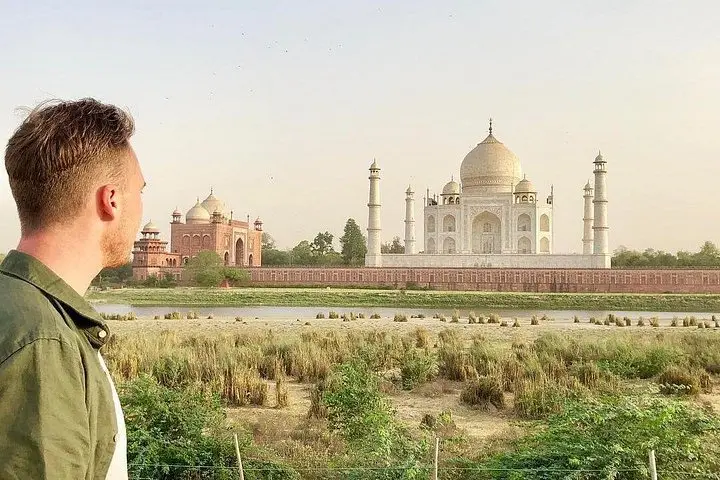
The road wakes before you do: a pre-dawn strip of highway out of Delhi, headlights cutting through early mist as the driver holds steady toward Agra. By first light the Taj Mahal appears across the river—a pale, immovable presence that seems to gather the morning around it—its marble catching the sun in slow, deliberate increments.
Verified experiences and guided adventures in the surrounding area.
Operated by Indian Heritage Journey · Agra, Uttar Pradesh
The road wakes before you do: a pre-dawn strip of highway out of Delhi, headlights cutting through early mist as the driver holds steady toward Agra. By first light the Taj Mahal appears across the river—a pale, immovable presence that seems to gather the morning around it—its marble catching the sun in slow, deliberate increments.
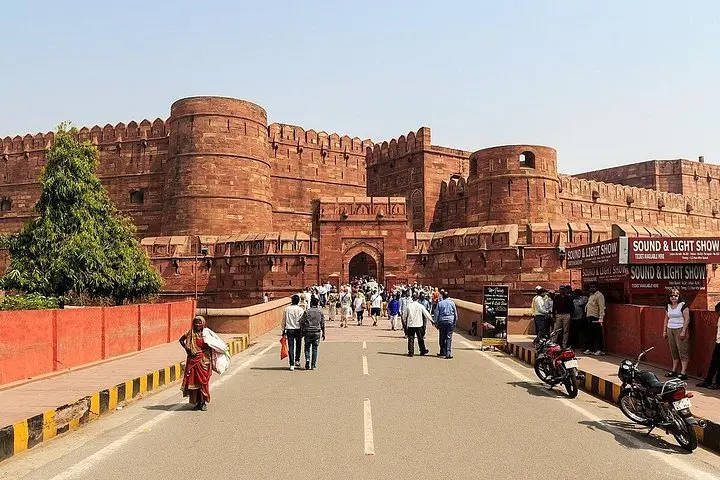
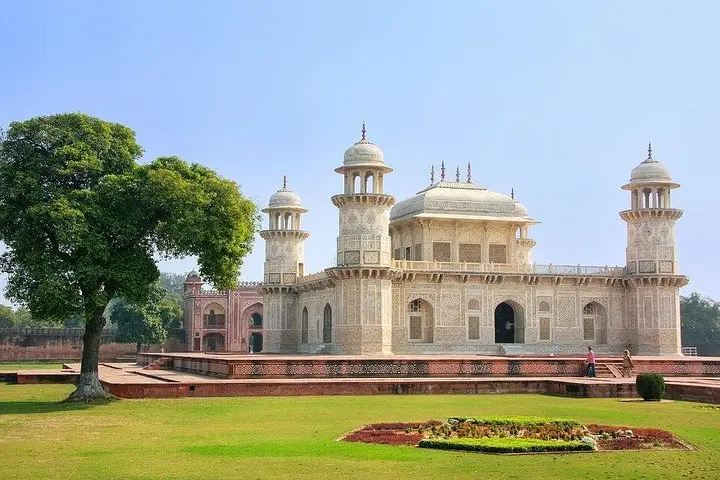
This is a day built around Mughal ambition. Shah Jahan’s white mausoleum, completed in the mid-17th century, sits on the Yamuna’s bank, its marble quarried from Makrana and inlaid with semi-precious stones. Nearby, Agra Fort’s red-sandstone ramparts speak to the city’s role as a Mughal capital, and the compact, jewel-like Itimad-ud-Daulah—“Baby Taj”—offers an intimate preview of the techniques used on the larger tomb.
Culturally, Agra mixes pilgrimage-style crowds with artisan neighborhoods where pietra dura workshops and street-side tea stalls shape daily life. Geologically, the Taj’s white glow shifts with humidity and light; fog and dust can soften lines as much as a painter’s glaze.
Practical notes: expect a 12–14 hour round trip from Delhi with roughly 2–3 hours at the Taj, 1.5–2 at Agra Fort and 30–45 minutes at Itimad-ud-Daulah. Security checks and shoe or bag inspections are routine; carry ID for ticketing. Wear comfortable, non-slip shoes for marble surfaces, carry water and sun protection, and plan lunch in Agra (not included). If you want sunrise light with fewer crowds, aim for the earliest pickups and ask your guide for the best viewing spots and photo angles.
No — admission is typically not included. Your guide can help purchase tickets on arrival or advise on online booking; foreign visitor counters and charges differ from local rates.
Pickups are generally offered across Delhi, Gurgaon and Noida; confirm the exact pickup point when you book.
This itinerary lists physical constraints; given steps and extended travel, it’s not recommended for pregnant travelers or those with serious spinal or cardiovascular conditions.
Lunch is not included; the itinerary allows time for a meal in Agra—your guide can recommend local restaurants or safe eateries.
Indian Heritage Journey operates guided outdoor trips and adventures with an emphasis on safety, stewardship, and memorable experiences.

The road wakes before you do: a pre-dawn strip of highway out of Delhi, headlights cutting through early mist as the driver holds steady toward Agra. By first light the Taj Mahal appears across the river—a pale, immovable presence that seems to gather the morning around it—its marble catching the sun in slow, deliberate increments.
The road wakes before you do: a pre-dawn strip of highway out of Delhi, headlights cutting through early mist as the driver holds steady toward Agra. By first light the Taj Mahal appears across the river—a pale, immovable presence that seems to gather the morning around it—its marble catching the sun in slow, deliberate increments.
This is a day built around Mughal ambition. Shah Jahan’s white mausoleum, completed in the mid-17th century, sits on the Yamuna’s bank, its marble quarried from Makrana and inlaid with semi-precious stones. Nearby, Agra Fort’s red-sandstone ramparts speak to the city’s role as a Mughal capital, and the compact, jewel-like Itimad-ud-Daulah—“Baby Taj”—offers an intimate preview of the techniques used on the larger tomb.
Culturally, Agra mixes pilgrimage-style crowds with artisan neighborhoods where pietra dura workshops and street-side tea stalls shape daily life. Geologically, the Taj’s white glow shifts with humidity and light; fog and dust can soften lines as much as a painter’s glaze.
Practical notes: expect a 12–14 hour round trip from Delhi with roughly 2–3 hours at the Taj, 1.5–2 at Agra Fort and 30–45 minutes at Itimad-ud-Daulah. Security checks and shoe or bag inspections are routine; carry ID for ticketing. Wear comfortable, non-slip shoes for marble surfaces, carry water and sun protection, and plan lunch in Agra (not included). If you want sunrise light with fewer crowds, aim for the earliest pickups and ask your guide for the best viewing spots and photo angles.