THE ADVENTURE COLLECTIVE® · Independent discovery and booking for outdoor travel

A curated five-day itinerary through Cusco’s key highlights—city tour, Humantay Lagoon, Machu Picchu and Vinicunca—designed for travelers with moderate fitness and a few early mornings. Expect guided walks, bus and train transfers, and altitude to shape the pace of the trip.
A curated five-day itinerary through Cusco’s key highlights—city tour, Humantay Lagoon, Machu Picchu and Vinicunca—designed for travelers with moderate fitness and a few early mornings. Expect guided walks, bus and train transfers, and altitude to shape the pace of the trip.
You step off the flight into Cusco and the air feels thinner, bright with mountain light and the sound of vendors and church bells in the plaza. Cobbled streets lead away from the hotel toward Koricancha’s stonework, then up to the broad terraces of Sacsayhuamán where the Andes frame a skyline of serrated ridges. On separate days the group moves between elevations: Machu Picchu’s cloud-wreathed citadel (~2,430 m), the glacial-fed Humantay Lagoon at about 4,250 m, and the high sweep of Vinicunca (Rainbow Mountain) where mineral bands angle across the slope.
Verified experiences and guided adventures in the surrounding area.
Operated by Chullos Travel Peru · Cusco, Cusco
You step off the flight into Cusco and the air feels thinner, bright with mountain light and the sound of vendors and church bells in the plaza. Cobbled streets lead away from the hotel toward Koricancha’s stonework, then up to the broad terraces of Sacsayhuamán where the Andes frame a skyline of serrated ridges. On separate days the group moves between elevations: Machu Picchu’s cloud-wreathed citadel (~2,430 m), the glacial-fed Humantay Lagoon at about 4,250 m, and the high sweep of Vinicunca (Rainbow Mountain) where mineral bands angle across the slope.
These sites sit on folded Andean bedrock sculpted by uplift and Pleistocene glaciers; the colorful stripes of Vinicunca come from iron and copper deposits exposed by erosion. Cusco itself was the Inca capital, a living center of Quechua culture where colonial churches were built atop pre-Columbian foundations. The Ministry of Culture controls Machu Picchu access—tickets regulate flows and preserve fragile terraces.
Practical guidance: allow 24–48 hours to acclimatize in Cusco, drink plenty of water, and sleep low if you can. Pack layered breathable clothing for sharp temperature swings, good ankle-support boots for uneven trails, and a rain shell for afternoon squalls. Expect early starts, vehicle transfers to trailheads, a train segment to Aguas Calientes, and guided walks at Machu Picchu with limited free time for photos and lunch. Because Machu Picchu tickets depend on availability, confirm reservations well in advance and carry an extra photocopy of travel documents. With moderate fitness and sensible pacing, this package delivers high-altitude highlights and cultural context across five compressed, memorable days.
Tickets are purchased per Ministry of Culture availability; if entry tickets for circuits 1 or 2 aren’t available you’ll receive a full refund for the tour portion affected.
Both hikes are 1–3 hours with significant altitude gain; a moderate fitness level and prior cardio conditioning are recommended.
Acclimatize in Cusco, hydrate, ascend slowly, consider acetazolamide only after consulting a physician, and inform guides if symptoms (headache, nausea, dizziness) appear.
Private transfers, bus segments (Aguas Calientes to Machu Picchu), and round-trip train tickets (Voyager or Expedition) are included as listed—confirm exact class at booking.
Chullos Travel Peru operates guided outdoor trips and adventures with an emphasis on safety, stewardship, and memorable experiences.
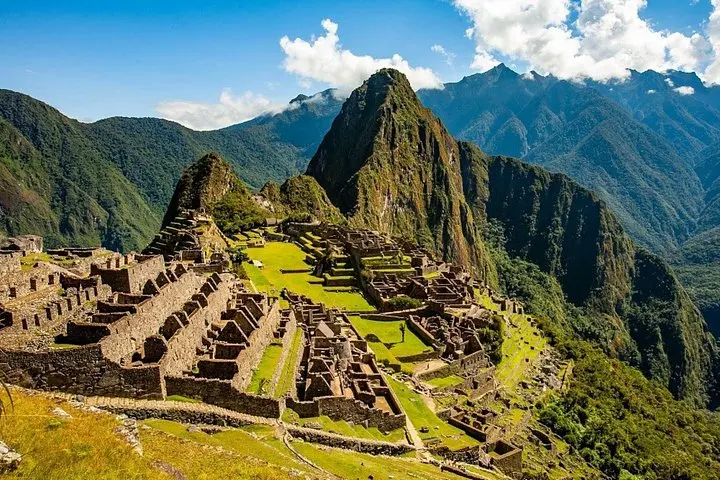
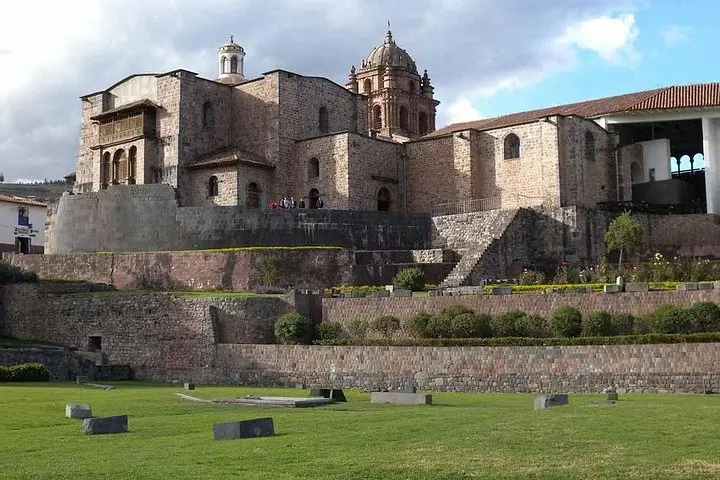
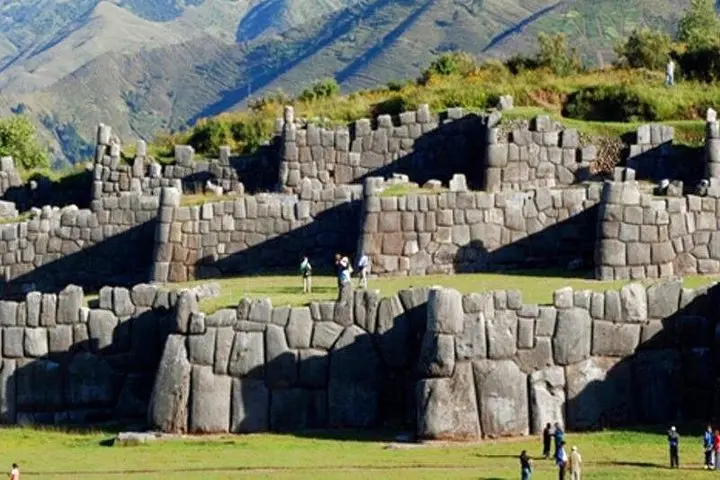
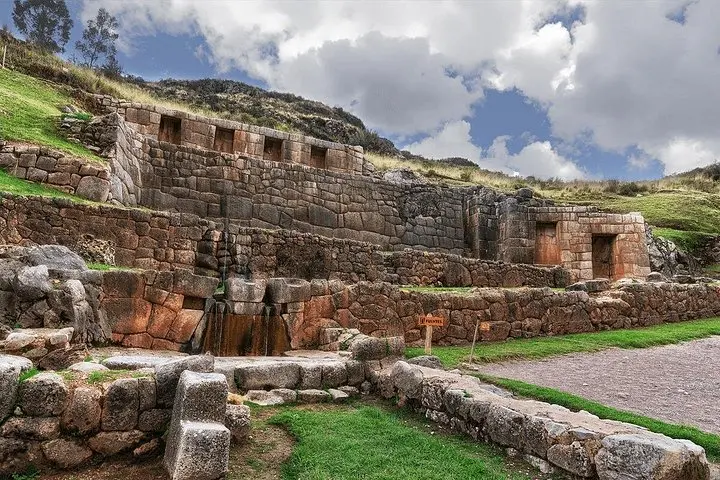
You step off the flight into Cusco and the air feels thinner, bright with mountain light and the sound of vendors and church bells in the plaza. Cobbled streets lead away from the hotel toward Koricancha’s stonework, then up to the broad terraces of Sacsayhuamán where the Andes frame a skyline of serrated ridges. On separate days the group moves between elevations: Machu Picchu’s cloud-wreathed citadel (~2,430 m), the glacial-fed Humantay Lagoon at about 4,250 m, and the high sweep of Vinicunca (Rainbow Mountain) where mineral bands angle across the slope.
You step off the flight into Cusco and the air feels thinner, bright with mountain light and the sound of vendors and church bells in the plaza. Cobbled streets lead away from the hotel toward Koricancha’s stonework, then up to the broad terraces of Sacsayhuamán where the Andes frame a skyline of serrated ridges. On separate days the group moves between elevations: Machu Picchu’s cloud-wreathed citadel (~2,430 m), the glacial-fed Humantay Lagoon at about 4,250 m, and the high sweep of Vinicunca (Rainbow Mountain) where mineral bands angle across the slope.
These sites sit on folded Andean bedrock sculpted by uplift and Pleistocene glaciers; the colorful stripes of Vinicunca come from iron and copper deposits exposed by erosion. Cusco itself was the Inca capital, a living center of Quechua culture where colonial churches were built atop pre-Columbian foundations. The Ministry of Culture controls Machu Picchu access—tickets regulate flows and preserve fragile terraces.
Practical guidance: allow 24–48 hours to acclimatize in Cusco, drink plenty of water, and sleep low if you can. Pack layered breathable clothing for sharp temperature swings, good ankle-support boots for uneven trails, and a rain shell for afternoon squalls. Expect early starts, vehicle transfers to trailheads, a train segment to Aguas Calientes, and guided walks at Machu Picchu with limited free time for photos and lunch. Because Machu Picchu tickets depend on availability, confirm reservations well in advance and carry an extra photocopy of travel documents. With moderate fitness and sensible pacing, this package delivers high-altitude highlights and cultural context across five compressed, memorable days.