THE ADVENTURE COLLECTIVE® · Independent discovery and booking for outdoor travel

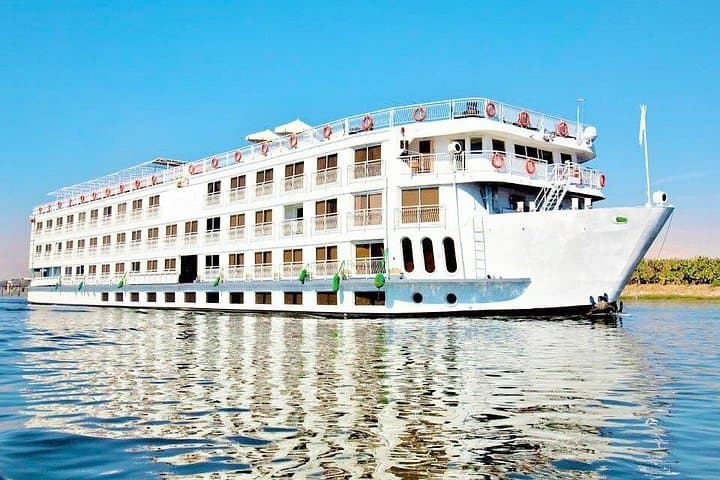
Travel from Luxor’s temple fields to the monumental site of Abu Simbel on a five-day Nile cruise that balances archaeological heavyweights with tranquil river moments. Expect early starts, desert vistas, and thoughtfully timed shore visits to major temples.
Travel from Luxor’s temple fields to the monumental site of Abu Simbel on a five-day Nile cruise that balances archaeological heavyweights with tranquil river moments. Expect early starts, desert vistas, and thoughtfully timed shore visits to major temples.
The sun wakes the Nile in a slow, golden sweep as the cruise slips away from Luxor’s quay. Palm-lined banks and sheer sandstone cliffs pass like pages; temple pylons loom, their hieroglyphs catching the morning light while the river gently insists you keep moving.
Verified experiences and guided adventures in the surrounding area.
Operated by Luxor Best Tours · Luxor, Luxor Governorate
The sun wakes the Nile in a slow, golden sweep as the cruise slips away from Luxor’s quay. Palm-lined banks and sheer sandstone cliffs pass like pages; temple pylons loom, their hieroglyphs catching the morning light while the river gently insists you keep moving.
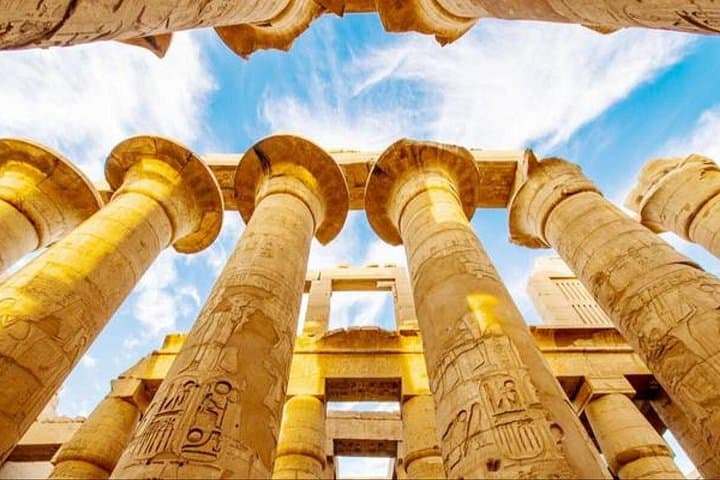
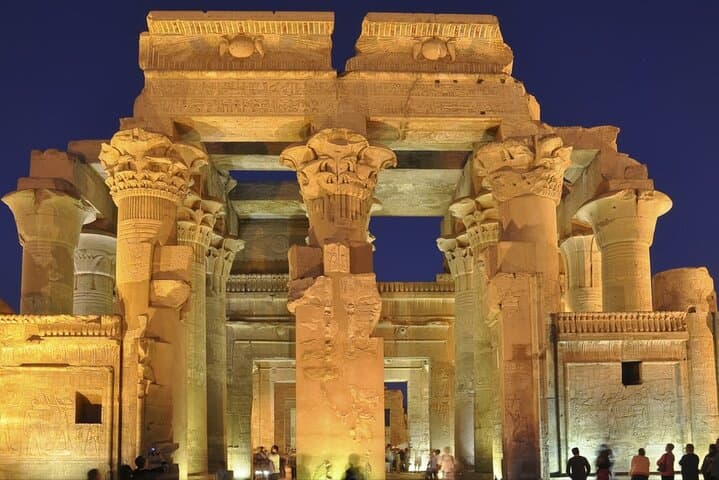
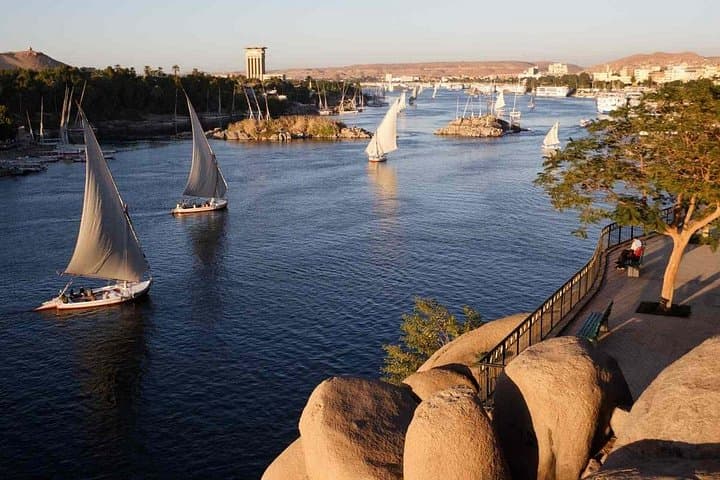
This 5-day itinerary threads classical Egyptology with modern engineering: Karnak’s hypostyle hall and the Luxor Temple on the East Bank; the Valley of the Kings, Hatshepsut’s cliff-side mortuary temple, and the Colossi of Memnon on the West Bank; then onward to the superbly preserved Ptolemaic temples at Edfu and Kom Ombo. In Aswan, the High Dam and the relocated Philae complex tell a 20th-century story of preservation, while a felucca at sunset gives a quieter, wind-sketched portrait of the Nile. The crescendo is Abu Simbel — colossal statues of Ramses II reassembled stone by stone atop higher ground after the creation of Lake Nasser.
Geology here is stark: the Nile’s alluvial corridor slices the Eastern Desert, exposing sandstone and limestone cliffs that cradle ancient tombs. Cultural layers are visible in every relief — Pharaonic, Ptolemaic and later Roman influences overlapping in stone.
Practical guidance: expect hot, dry days and cool early mornings; start shore excursions early to avoid midday heat. Comfortable walking shoes and sun protection are essential; many temples involve uneven steps and sandy approaches. Carry small change for tips and temple entry extras, and be prepared for early transfers — the Abu Simbel road is long but scenically rewarding.
Temple entrance fees are usually separate from cruise costs; check your booking for inclusions and bring local currency for entry and onsite services.
Yes — the cruise is rated easy and generally suitable for most ages, but note long transfers and some stairs in tombs; inform the operator of mobility needs in advance.
This tour includes a qualified Egyptologist guide; English is typically provided and other language options may be available on request.
Photography rules vary by site — some tombs restrict flash or any photography to protect pigments; follow onsite signage and your guide’s instructions.
Luxor Best Tours operates guided outdoor trips and adventures with an emphasis on safety, stewardship, and memorable experiences.
The sun wakes the Nile in a slow, golden sweep as the cruise slips away from Luxor’s quay. Palm-lined banks and sheer sandstone cliffs pass like pages; temple pylons loom, their hieroglyphs catching the morning light while the river gently insists you keep moving.
The sun wakes the Nile in a slow, golden sweep as the cruise slips away from Luxor’s quay. Palm-lined banks and sheer sandstone cliffs pass like pages; temple pylons loom, their hieroglyphs catching the morning light while the river gently insists you keep moving.
This 5-day itinerary threads classical Egyptology with modern engineering: Karnak’s hypostyle hall and the Luxor Temple on the East Bank; the Valley of the Kings, Hatshepsut’s cliff-side mortuary temple, and the Colossi of Memnon on the West Bank; then onward to the superbly preserved Ptolemaic temples at Edfu and Kom Ombo. In Aswan, the High Dam and the relocated Philae complex tell a 20th-century story of preservation, while a felucca at sunset gives a quieter, wind-sketched portrait of the Nile. The crescendo is Abu Simbel — colossal statues of Ramses II reassembled stone by stone atop higher ground after the creation of Lake Nasser.
Geology here is stark: the Nile’s alluvial corridor slices the Eastern Desert, exposing sandstone and limestone cliffs that cradle ancient tombs. Cultural layers are visible in every relief — Pharaonic, Ptolemaic and later Roman influences overlapping in stone.
Practical guidance: expect hot, dry days and cool early mornings; start shore excursions early to avoid midday heat. Comfortable walking shoes and sun protection are essential; many temples involve uneven steps and sandy approaches. Carry small change for tips and temple entry extras, and be prepared for early transfers — the Abu Simbel road is long but scenically rewarding.