THE ADVENTURE COLLECTIVE® · Independent discovery and booking for outdoor travel
An eight-day, lodge-based expedition into Costa Rica’s Osa Peninsula and Corcovado National Park that blends rainforest trekking, beachside wildlife encounters, and Caño Island snorkeling — designed for travelers ready to handle rugged trails and rich biodiversity.
An eight-day, lodge-based expedition into Costa Rica’s Osa Peninsula and Corcovado National Park that blends rainforest trekking, beachside wildlife encounters, and Caño Island snorkeling — designed for travelers ready to handle rugged trails and rich biodiversity.
You step off a small domestic plane and the air changes — thicker, greener, full of insect-song and salt from a nearby bay. Trails here do not politely unwind; they push and test you, and the rainforest answers back with sudden bird flares, a tapir’s distant rustle, or the hush of low tide exposing mangrove roots.
Verified experiences and guided adventures in the surrounding area.
Operated by Destiny Travel Costa Rica · Drake Bay, Puntarenas
You step off a small domestic plane and the air changes — thicker, greener, full of insect-song and salt from a nearby bay. Trails here do not politely unwind; they push and test you, and the rainforest answers back with sudden bird flares, a tapir’s distant rustle, or the hush of low tide exposing mangrove roots.
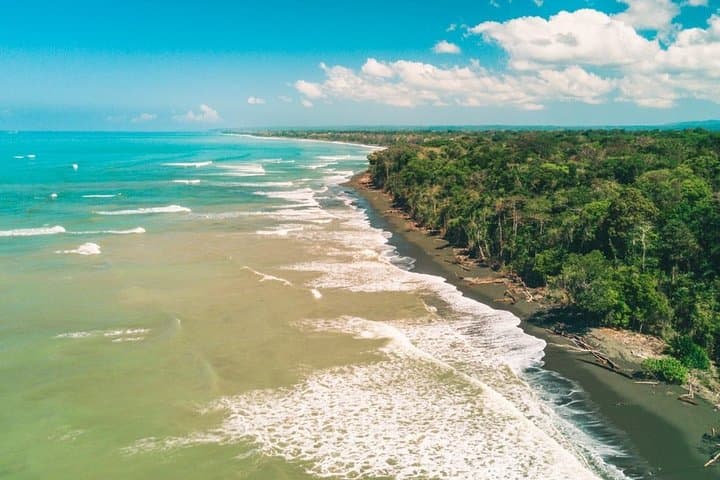
The Osa Peninsula and Corcovado National Park hold a dense mix of Pacific coast geology — volcanic soils, steep ridges and river-carved estuaries — and a human history shaped by indigenous communities, early settlers, and recent conservation efforts that protect roughly 2.5% of the planet’s biodiversity in a compact area.
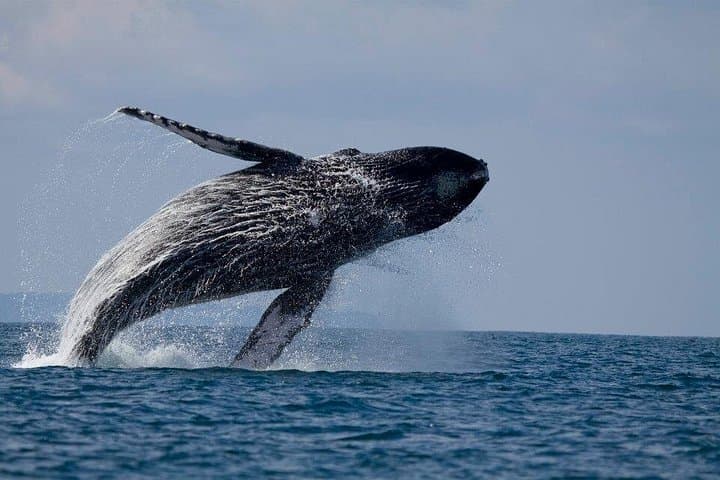
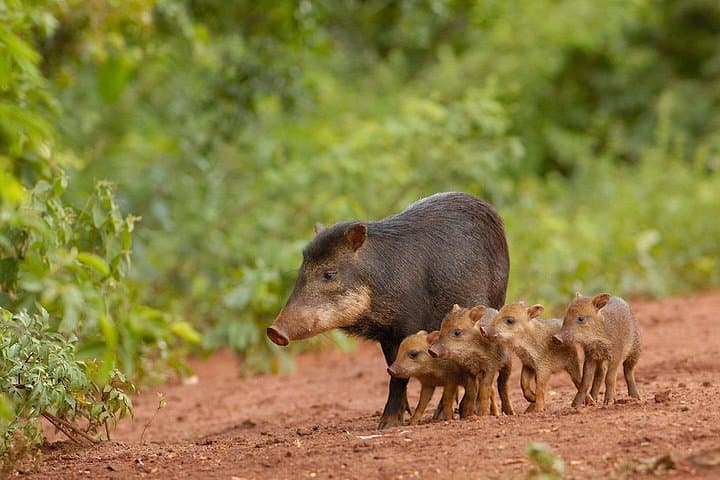
Culturally, small fishing villages like Drake Bay combine Afro-Caribbean, indigenous and settler traditions; local guides bring that knowledge into the field, pointing out medicinal plants and seasonal nesting sites. Geology dictates movement: river fords, muddy gullies and rocky headlands decide the pace. Wildlife here, from peccaries to bull sharks in river mouths, plays by its own rules — expect encounters to be brief, raw and unforgettable.
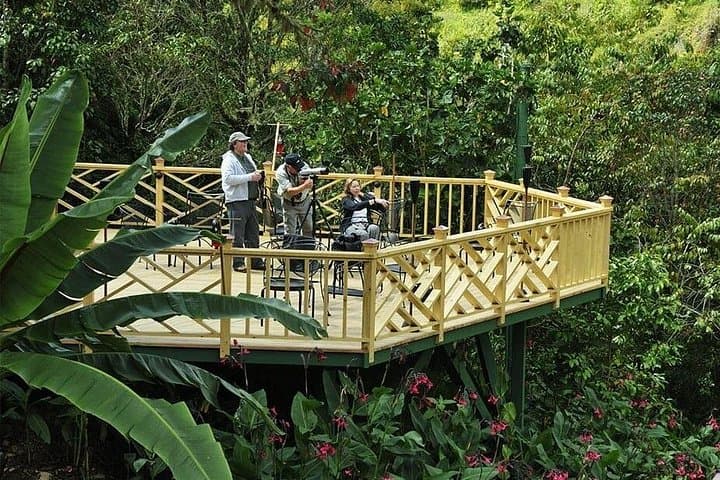
Practical guidance: travel is measured in transfers and short flights; pack light but durable. Expect rainforest weather — sudden downpours, sun between clouds, and humid nights. Hikes vary from steep coastal ridgelines to lowland river trails; good boots, layered rain gear and a steady fitness baseline make the trip accessible and safe. Plan extra battery power and waterproof storage for camera gear; macaques and coatis are curious, so secure food. Bookings often include lodge stays, guided Corcovado treks, a Caño Island snorkeling day and domestic flights; allow rest time after long travel days to appreciate the place that created the wild scenes you came for.
Participants should have good endurance for full-day hikes on uneven, slippery trails; moderate-level fitness allows you to enjoy multiple days without excessive fatigue.
Dry season (Dec–Feb) often concentrates animals near rivers and coastlines, but rainier months can increase bird activity and amphibian displays—each season has trade-offs.
Small domestic planes are generally safe but have strict weight and size limits—pack light and confirm airline baggage rules before departure.
Yes; Caño Island offers sheltered reefs with clear water and guides provide briefings—basic swimming ability and a comfort with snorkeling are recommended.
Destiny Travel Costa Rica operates guided outdoor trips and adventures with an emphasis on safety, stewardship, and memorable experiences.
You step off a small domestic plane and the air changes — thicker, greener, full of insect-song and salt from a nearby bay. Trails here do not politely unwind; they push and test you, and the rainforest answers back with sudden bird flares, a tapir’s distant rustle, or the hush of low tide exposing mangrove roots.
You step off a small domestic plane and the air changes — thicker, greener, full of insect-song and salt from a nearby bay. Trails here do not politely unwind; they push and test you, and the rainforest answers back with sudden bird flares, a tapir’s distant rustle, or the hush of low tide exposing mangrove roots.
The Osa Peninsula and Corcovado National Park hold a dense mix of Pacific coast geology — volcanic soils, steep ridges and river-carved estuaries — and a human history shaped by indigenous communities, early settlers, and recent conservation efforts that protect roughly 2.5% of the planet’s biodiversity in a compact area.
Culturally, small fishing villages like Drake Bay combine Afro-Caribbean, indigenous and settler traditions; local guides bring that knowledge into the field, pointing out medicinal plants and seasonal nesting sites. Geology dictates movement: river fords, muddy gullies and rocky headlands decide the pace. Wildlife here, from peccaries to bull sharks in river mouths, plays by its own rules — expect encounters to be brief, raw and unforgettable.
Practical guidance: travel is measured in transfers and short flights; pack light but durable. Expect rainforest weather — sudden downpours, sun between clouds, and humid nights. Hikes vary from steep coastal ridgelines to lowland river trails; good boots, layered rain gear and a steady fitness baseline make the trip accessible and safe. Plan extra battery power and waterproof storage for camera gear; macaques and coatis are curious, so secure food. Bookings often include lodge stays, guided Corcovado treks, a Caño Island snorkeling day and domestic flights; allow rest time after long travel days to appreciate the place that created the wild scenes you came for.
