THE ADVENTURE COLLECTIVE® · Independent discovery and booking for outdoor travel

Spend a day exploring Dendera’s Ptolemaic temple and return to Luxor for the atmospheric Karnak Sound & Light Show. This private transfer tour pairs daytime archaeology with an evening performance that brings temple history to life.
Spend a day exploring Dendera’s Ptolemaic temple and return to Luxor for the atmospheric Karnak Sound & Light Show. This private transfer tour pairs daytime archaeology with an evening performance that brings temple history to life.
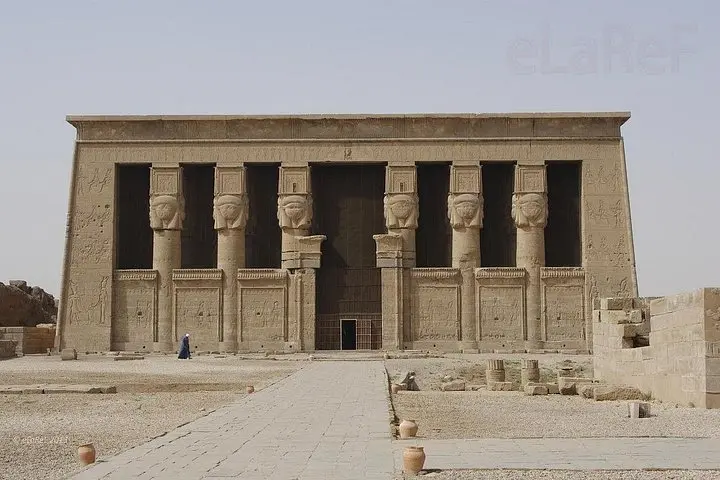
The day begins on the road north from Luxor, the Nile at your side like a slow‑moving companion that punctures the flat floodplain with palm groves and fields. By midmorning the silhouette of Dendera’s monumental pylons and Hathor‑headed columns rises from the desert hem — an unexpectedly bright, carved world after the drive.
Verified experiences and guided adventures in the surrounding area.
Operated by Eyes of Egypt · Luxor, Luxor Governorate
The day begins on the road north from Luxor, the Nile at your side like a slow‑moving companion that punctures the flat floodplain with palm groves and fields. By midmorning the silhouette of Dendera’s monumental pylons and Hathor‑headed columns rises from the desert hem — an unexpectedly bright, carved world after the drive.
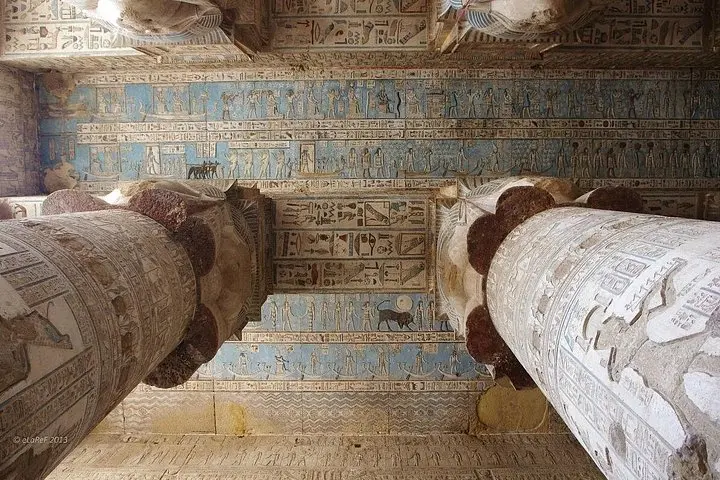
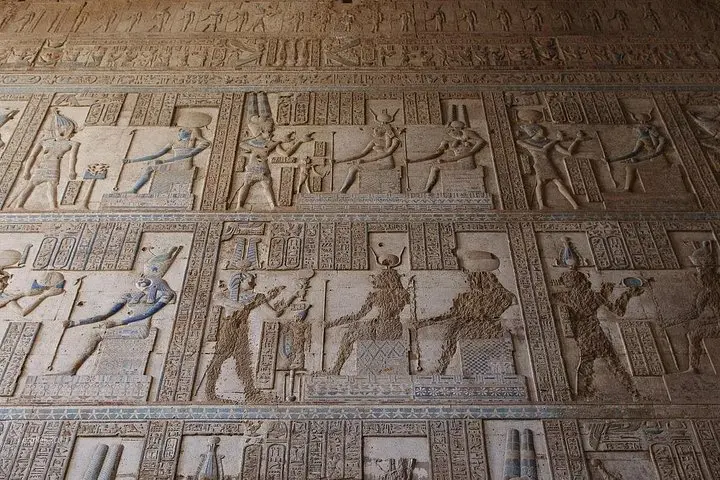
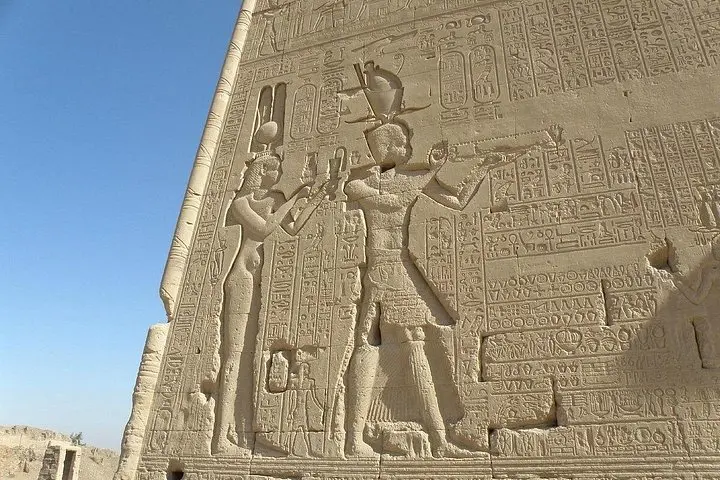
Dendera’s main temple dates largely to the Ptolemaic era but sits on foundations that reach back to earlier dynasties; its ceiling panels preserve remarkable astronomical engravings and a scene of the sky goddess at the center of ritual life. The complex’s Hathor capitals — faces framed by sistrums — make the architecture feel watchful, almost conversational. Back in Luxor, Karnak stretches across a city block as the ancient heart of Thebes: vast hypostyle halls and avenueed colonnades that speak to centuries of temple building and royal ambition.
In practical terms this is a comfortable, history‑forward day: expect about 6–7 hours including two drives (roughly 60–90 minutes each way), roughly 90 minutes on site at Dendera and an hour for the evening Sound & Light presentation at Karnak. The show uses narration and lighting to outline temple history and is best enjoyed from designated seating — arrive early if you want a good vantage.
Plan for sun and heat, modest dress for temple etiquette, and steady walking across uneven stone floors and steps. Bring water, a hat, and cash for entrance fees or donations; photography is generally allowed but follow guide direction. The route is accessible for most travelers but involves standing and short stair sections; a local guide deepens both context and safety for exploring these layered archaeological sites.
Confirm with the operator before booking; some tours include the Karnak Sound & Light performance, but standard archaeological site tickets are often paid on arrival.
The transfer typically takes about 60–90 minutes each way along the Nile valley, depending on traffic and stops.
Yes, families commonly attend; the show is narrated and uses lights and music rather than special effects, but young children may find the evening timing late.
Many operators provide wheelchair‑accessible transfers and some flat areas of the sites are accessible, but uneven surfaces and steps can limit full access—confirm specifics when booking.
Eyes of Egypt operates guided outdoor trips and adventures with an emphasis on safety, stewardship, and memorable experiences.
The day begins on the road north from Luxor, the Nile at your side like a slow‑moving companion that punctures the flat floodplain with palm groves and fields. By midmorning the silhouette of Dendera’s monumental pylons and Hathor‑headed columns rises from the desert hem — an unexpectedly bright, carved world after the drive.
The day begins on the road north from Luxor, the Nile at your side like a slow‑moving companion that punctures the flat floodplain with palm groves and fields. By midmorning the silhouette of Dendera’s monumental pylons and Hathor‑headed columns rises from the desert hem — an unexpectedly bright, carved world after the drive.
Dendera’s main temple dates largely to the Ptolemaic era but sits on foundations that reach back to earlier dynasties; its ceiling panels preserve remarkable astronomical engravings and a scene of the sky goddess at the center of ritual life. The complex’s Hathor capitals — faces framed by sistrums — make the architecture feel watchful, almost conversational. Back in Luxor, Karnak stretches across a city block as the ancient heart of Thebes: vast hypostyle halls and avenueed colonnades that speak to centuries of temple building and royal ambition.
In practical terms this is a comfortable, history‑forward day: expect about 6–7 hours including two drives (roughly 60–90 minutes each way), roughly 90 minutes on site at Dendera and an hour for the evening Sound & Light presentation at Karnak. The show uses narration and lighting to outline temple history and is best enjoyed from designated seating — arrive early if you want a good vantage.
Plan for sun and heat, modest dress for temple etiquette, and steady walking across uneven stone floors and steps. Bring water, a hat, and cash for entrance fees or donations; photography is generally allowed but follow guide direction. The route is accessible for most travelers but involves standing and short stair sections; a local guide deepens both context and safety for exploring these layered archaeological sites.