THE ADVENTURE COLLECTIVE® · Independent discovery and booking for outdoor travel

Ride from Denver into the high Rockies on an eight‑hour day tour that hits Red Rocks, crosses Loveland Pass at nearly 12,000 feet, stops at Sapphire Point Overlook, and drops you into the Victorian charm of Breckenridge for independent exploration.
Ride from Denver into the high Rockies on an eight‑hour day tour that hits Red Rocks, crosses Loveland Pass at nearly 12,000 feet, stops at Sapphire Point Overlook, and drops you into the Victorian charm of Breckenridge for independent exploration.
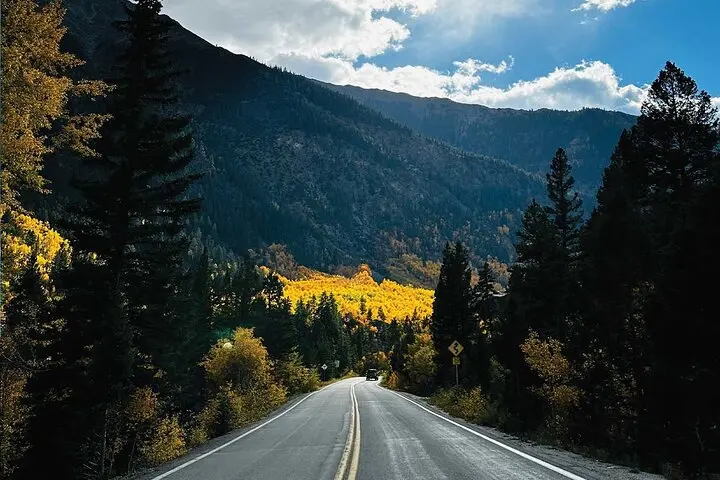
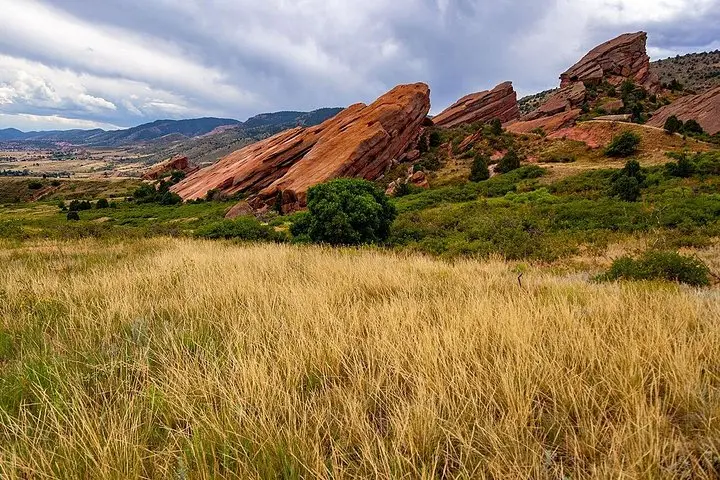
The bus slips away from Denver Union Station as the city’s glass and granite fade behind you and the Front Range begins to climb. On this eight‑hour loop, the scenery takes over like a well‑directed movie: Red Rocks’ rusted cliffs rise with the authority of ancient stone, the road gains altitude toward Loveland Pass and the Continental Divide, and Sapphire Point frames the Dillon Reservoir like a silver eye. By the time you step onto Breckenridge’s Main Street, the mountains have already set the tone—sharp, bracing, and insistently present.
Verified experiences and guided adventures in the surrounding area.
Operated by Aspire Tours · Breckenridge, Colorado
The bus slips away from Denver Union Station as the city’s glass and granite fade behind you and the Front Range begins to climb. On this eight‑hour loop, the scenery takes over like a well‑directed movie: Red Rocks’ rusted cliffs rise with the authority of ancient stone, the road gains altitude toward Loveland Pass and the Continental Divide, and Sapphire Point frames the Dillon Reservoir like a silver eye. By the time you step onto Breckenridge’s Main Street, the mountains have already set the tone—sharp, bracing, and insistently present.
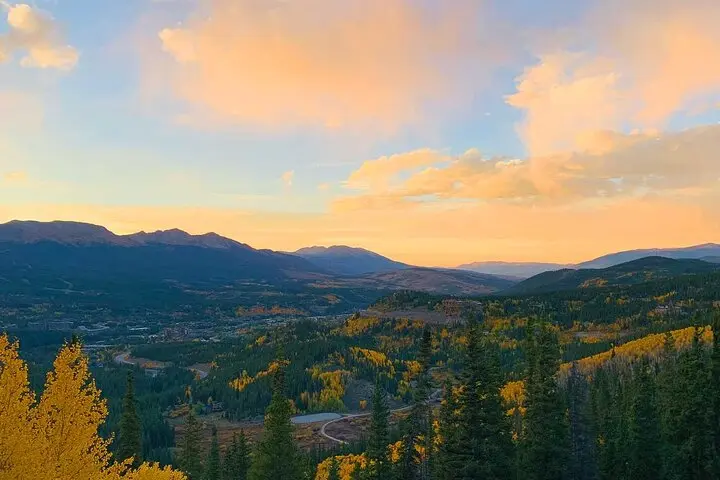
Geology does the heavy lifting here. The sandstone fins at Red Rocks are sedimentary pages folded and tilted by the Laramide orogeny; Loveland Pass sits near the high crest of the Rockies where rivers decide whether to head to the Atlantic or the Pacific. Sapphire Point’s cliffs expose glacially scoured bedrock and vistas of moraine‑strewn valleys; the Dillon Reservoir below is a modern lake with a storied past of flood control and recreation.
Breckenridge itself is a town shaped by gold rush urgency and mountain craftsmanship. Founded in 1859, its Victorian facades and narrow streets recall a mining camp that matured into a western arts hub and ski town. Local culture still pivots between outdoors life and craft food: you’ll find breweries, galleries, and the famous Breckenridge Troll—an artful reminder that this place makes space for play.
Practical guidance: the tour departs Denver’s Union Station at 9 a.m. and returns in the late afternoon. Expect a full day—roughly eight hours—with multiple short stops for photography and quick walks. Altitude is real: Loveland Pass hits nearly 12,000 feet, so hydrate before you go, avoid heavy alcohol, and pause if you feel lightheaded. Dress in layers; temperatures can change 20–30°F between Denver and high alpine passes. Comfortable, waterproof walking shoes are recommended in winter; traction may be necessary on icy overlooks.
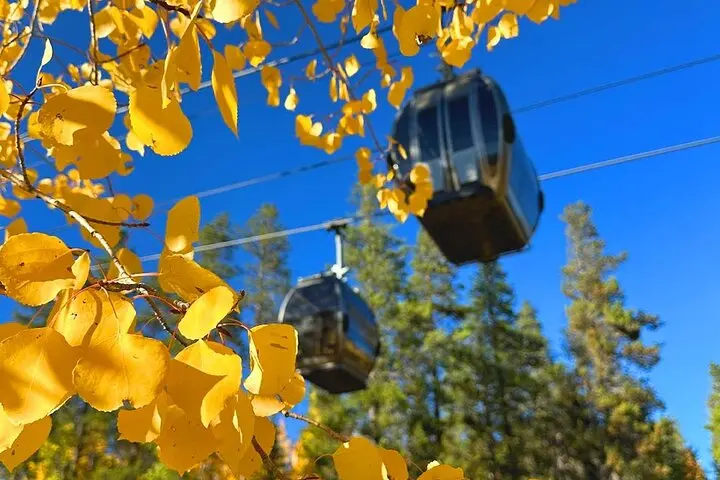
Photo ops are frequent but fleeting—Red Rocks at midmorning yields bold shadows on the amphitheater; Sapphire Point is best for wide panoramas; Breckenridge’s Main Street rewards detail shots of historic architecture. If you plan to ride the BreckConnect Gondola, check seasonal hours: closures occur during elk migration in May and October.
This tour is ideal for travelers who want mountain exposure without the logistics of self‑driving. Guides handle stops, parking, and local context; you get the landscape. Think of it as a curated introduction to Colorado’s high country—one that hands you the view and a short, sharp primer on what makes these mountains run.
Meet at the American Flagpole in front of Denver Union Station (1701 Wynkoop St) at least 10 minutes before the 9 a.m. departure.
Children under 8 require explicit confirmation from the provider; activities like sledding are weather permitting.
No—you will not be skiing or snowboarding; the tour focuses on sightseeing, short walks, and town exploration.
Walking is limited to short, mostly paved or well‑trodden paths at stops; comfortable walking shoes are recommended.
Yes—snow and poor visibility can prompt cancellations; the operator offers rescheduling or refunds per policy.
Yes—stops include facilities at major viewpoints and in Breckenridge, but options are limited at high alpine pullouts.
Aspire Tours operates guided outdoor trips and adventures with an emphasis on safety, stewardship, and memorable experiences.
The bus slips away from Denver Union Station as the city’s glass and granite fade behind you and the Front Range begins to climb. On this eight‑hour loop, the scenery takes over like a well‑directed movie: Red Rocks’ rusted cliffs rise with the authority of ancient stone, the road gains altitude toward Loveland Pass and the Continental Divide, and Sapphire Point frames the Dillon Reservoir like a silver eye. By the time you step onto Breckenridge’s Main Street, the mountains have already set the tone—sharp, bracing, and insistently present.
The bus slips away from Denver Union Station as the city’s glass and granite fade behind you and the Front Range begins to climb. On this eight‑hour loop, the scenery takes over like a well‑directed movie: Red Rocks’ rusted cliffs rise with the authority of ancient stone, the road gains altitude toward Loveland Pass and the Continental Divide, and Sapphire Point frames the Dillon Reservoir like a silver eye. By the time you step onto Breckenridge’s Main Street, the mountains have already set the tone—sharp, bracing, and insistently present.
Geology does the heavy lifting here. The sandstone fins at Red Rocks are sedimentary pages folded and tilted by the Laramide orogeny; Loveland Pass sits near the high crest of the Rockies where rivers decide whether to head to the Atlantic or the Pacific. Sapphire Point’s cliffs expose glacially scoured bedrock and vistas of moraine‑strewn valleys; the Dillon Reservoir below is a modern lake with a storied past of flood control and recreation.
Breckenridge itself is a town shaped by gold rush urgency and mountain craftsmanship. Founded in 1859, its Victorian facades and narrow streets recall a mining camp that matured into a western arts hub and ski town. Local culture still pivots between outdoors life and craft food: you’ll find breweries, galleries, and the famous Breckenridge Troll—an artful reminder that this place makes space for play.
Practical guidance: the tour departs Denver’s Union Station at 9 a.m. and returns in the late afternoon. Expect a full day—roughly eight hours—with multiple short stops for photography and quick walks. Altitude is real: Loveland Pass hits nearly 12,000 feet, so hydrate before you go, avoid heavy alcohol, and pause if you feel lightheaded. Dress in layers; temperatures can change 20–30°F between Denver and high alpine passes. Comfortable, waterproof walking shoes are recommended in winter; traction may be necessary on icy overlooks.
Photo ops are frequent but fleeting—Red Rocks at midmorning yields bold shadows on the amphitheater; Sapphire Point is best for wide panoramas; Breckenridge’s Main Street rewards detail shots of historic architecture. If you plan to ride the BreckConnect Gondola, check seasonal hours: closures occur during elk migration in May and October.
This tour is ideal for travelers who want mountain exposure without the logistics of self‑driving. Guides handle stops, parking, and local context; you get the landscape. Think of it as a curated introduction to Colorado’s high country—one that hands you the view and a short, sharp primer on what makes these mountains run.