THE ADVENTURE COLLECTIVE® · Independent discovery and booking for outdoor travel

Walk from the stone walls of Deoksugung Palace onto Jeongdong-gil and encounter Seoul’s collision of late‑Joseon palaces, Western-era buildings, and living cultural sites. This compact 2–3 hour tour pairs close-up history with practical urban walking tips.
Walk from the stone walls of Deoksugung Palace onto Jeongdong-gil and encounter Seoul’s collision of late‑Joseon palaces, Western-era buildings, and living cultural sites. This compact 2–3 hour tour pairs close-up history with practical urban walking tips.
A steady winter light slices between low stone walls as you step onto Jeongdong-gil, the tree-lined road that threads past Western-style brick mansions and the calm courtyards of Deoksugung Palace. The walk begins at the palace perimeter where pine-scented paths give way to polished plaza stones and the measured click of tourist cameras.
Verified experiences and guided adventures in the surrounding area.
Operated by S.A. Tour · Seoul, Seoul
A steady winter light slices between low stone walls as you step onto Jeongdong-gil, the tree-lined road that threads past Western-style brick mansions and the calm courtyards of Deoksugung Palace. The walk begins at the palace perimeter where pine-scented paths give way to polished plaza stones and the measured click of tourist cameras.
Deoksugung itself dates to the Joseon era but bears visible layers of later change: traditional hanok pavilions sit near Western‑style government buildings and an imperial library where the 1905 Eulsa Treaty realities unfolded. Jeongdong-gil grew in the late 19th century as a corridor for diplomats, missionaries, and modern institutions, so every façade hints at a collision of Korean, Japanese, and Western influences.
Geology is subtle here—low hills flattened over centuries—while culture is immediate: theaters, small museums, and cafés occupy converted colonial buildings. Expect manageable walking surfaces, frequent stops for interpretation, and a mix of curated exhibits and living city life.
Practical guidance: plan 2–3 hours, wear supportive shoes for paved and cobbled sections, and leave bulky bags at your hotel; many sites restrict large backpacks. Bring water and a light layer—Seoul’s weather shifts quickly between sun and drizzle. Use nearby subway stops (City Hall / Seoul Station) and allow time for short queues if you want interior palace access. This is an accessible, historically rich urban stroll that rewards close attention to architecture, plaques, and the small museums tucked off the main route.
The core route and nearby stops typically take 2–3 hours, depending on how many museums or cafés you enter.
Yes—the route is stroller-accessible on most sections, though some palace paths include steps or narrow sections.
Admission often requires separate tickets; the guided walk covers exterior interpretation and designated stops unless admission is specified.
City Hall and Seoul Station subway stops are the closest major access points, with several bus lines and taxis available.
S.A. Tour operates guided outdoor trips and adventures with an emphasis on safety, stewardship, and memorable experiences.
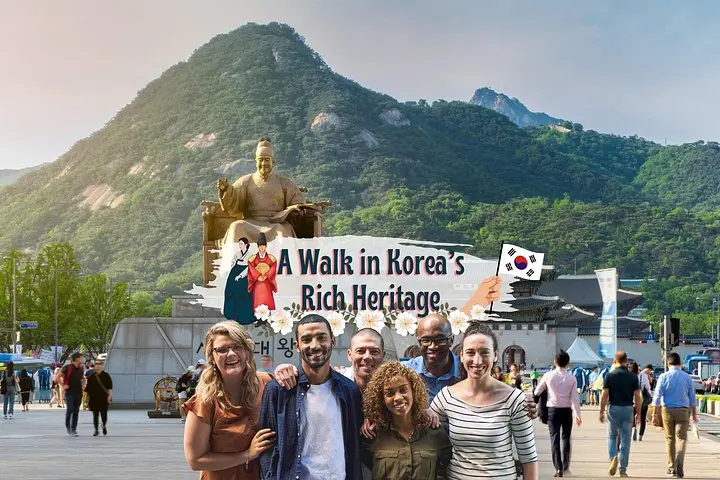
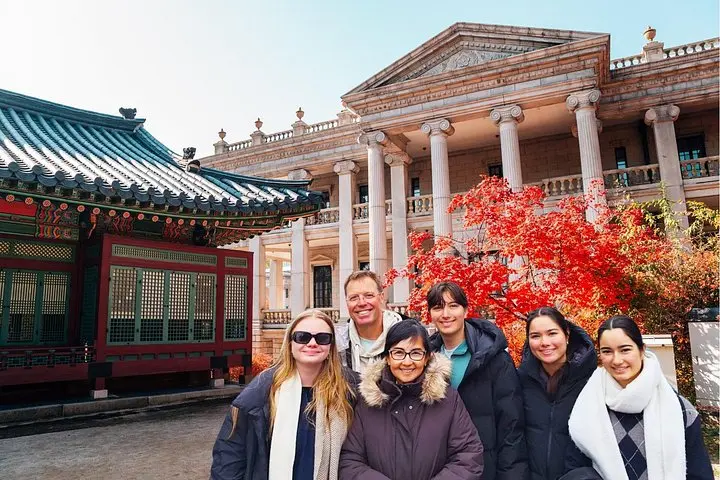
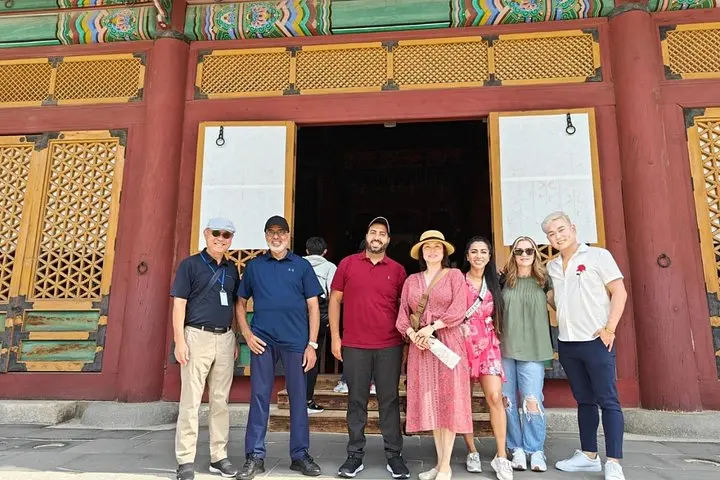
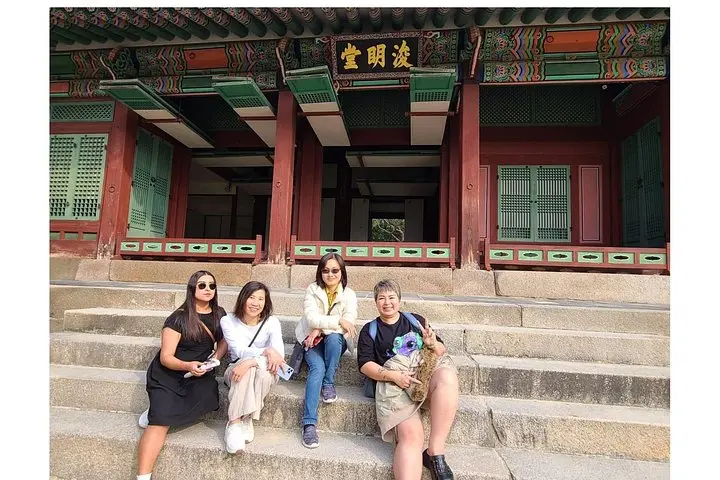
A steady winter light slices between low stone walls as you step onto Jeongdong-gil, the tree-lined road that threads past Western-style brick mansions and the calm courtyards of Deoksugung Palace. The walk begins at the palace perimeter where pine-scented paths give way to polished plaza stones and the measured click of tourist cameras.
A steady winter light slices between low stone walls as you step onto Jeongdong-gil, the tree-lined road that threads past Western-style brick mansions and the calm courtyards of Deoksugung Palace. The walk begins at the palace perimeter where pine-scented paths give way to polished plaza stones and the measured click of tourist cameras.
Deoksugung itself dates to the Joseon era but bears visible layers of later change: traditional hanok pavilions sit near Western‑style government buildings and an imperial library where the 1905 Eulsa Treaty realities unfolded. Jeongdong-gil grew in the late 19th century as a corridor for diplomats, missionaries, and modern institutions, so every façade hints at a collision of Korean, Japanese, and Western influences.
Geology is subtle here—low hills flattened over centuries—while culture is immediate: theaters, small museums, and cafés occupy converted colonial buildings. Expect manageable walking surfaces, frequent stops for interpretation, and a mix of curated exhibits and living city life.
Practical guidance: plan 2–3 hours, wear supportive shoes for paved and cobbled sections, and leave bulky bags at your hotel; many sites restrict large backpacks. Bring water and a light layer—Seoul’s weather shifts quickly between sun and drizzle. Use nearby subway stops (City Hall / Seoul Station) and allow time for short queues if you want interior palace access. This is an accessible, historically rich urban stroll that rewards close attention to architecture, plaques, and the small museums tucked off the main route.