THE ADVENTURE COLLECTIVE® · Independent discovery and booking for outdoor travel

Crawl, boulder and wade through stream-cut passages on a 5½-hour Wild Cave Extreme Tour at Sims Cave Park. Expect tight squeezes, rimstone pools, and an underground waterfall on this demanding but unforgettable spelunking experience.
Crawl, boulder and wade through stream-cut passages on a 5½-hour Wild Cave Extreme Tour at Sims Cave Park. Expect tight squeezes, rimstone pools, and an underground waterfall on this demanding but unforgettable spelunking experience.
The first step is a soft thud as your boot meets the cave lip, then the light contracts until the beam of your headlamp becomes everything. You duck past a low band of rock and the sound of an underground creek tightens into focus — pockets of water prickle against your knees, and a column of calcite glows pale in your light. For the next five to six hours you move on hands and feet through passages few visitors see: rimstone pools that cradle mirror-smooth water, narrow squeezes that quiz your patience, and a buried waterfall that throws a steady, cold mist.
Verified experiences and guided adventures in the surrounding area.
Operated by Sims Cave Park · Birmingham, Alabama
The first step is a soft thud as your boot meets the cave lip, then the light contracts until the beam of your headlamp becomes everything. You duck past a low band of rock and the sound of an underground creek tightens into focus — pockets of water prickle against your knees, and a column of calcite glows pale in your light. For the next five to six hours you move on hands and feet through passages few visitors see: rimstone pools that cradle mirror-smooth water, narrow squeezes that quiz your patience, and a buried waterfall that throws a steady, cold mist.
Sims Cave Park sits where Alabama’s Mississippian limestone gives up to a network of solution caves carved over hundreds of thousands of years. These passages tell a slow geological story — dripping, pooling, then stacking mineral layers into curtains and stalactites. Humans have known about these caverns for generations; local spelunkers and naturalists helped map many of the chambers, and the cave culture here values stewardship: leave formations intact and keep noise low to protect bat populations.
This is the extreme variant of the operator’s tours: a 5½-hour route that includes bouldering, crawling, and low, wet stream passages. Average cave temperature hovers near 62°F, so the interior feels constant regardless of season, but the approach trail and parking can change with weather. Guides outfit guests with helmets, headlamps, knee and elbow pads and gloves, and provide bottled water — you bring the grit and curiosity.
Practical pointers: wear sturdy, treaded footwear you don’t mind getting ruined and layered synthetics that dry fast. Expect to be filthy and wet; pack a complete change of clothes and a towel in a waterproof bag. Leave jewelry, watches, and delicate electronics behind; bring a compact, waterproof action camera if you want photos (and check the guide’s policy first). Fitness matters — this isn’t a stroll. Participants should be comfortable squeezing into tight spaces, hoisting themselves over boulders, and wading through chilly stream sections.
Safety and access: the tour isn’t recommended for people with spinal, heart conditions, or for pregnant travelers. Groups are guided and the experience is private by booking, but the route can be physically demanding and psychologically intense for those with claustrophobia.
If you go, plan for muddy parking, a long change of clothes, and strong shoes. Stay present in the dark: caves move at a different pace than the surface, and in that slow quiet the rock almost seems to guide you deeper.
The Wild Cave Extreme Tour lasts about 5½ hours from meet to finish.
No formal caving certification is required, but high fitness and comfort with tight spaces are essential.
Average interior temperature is around 62°F year-round; dress in layers for the surface approach.
Children may be allowed depending on age and ability — check with the operator; this tour is designed for physically fit participants.
Yes — you’ll encounter stream passages and wet squeezes; expect to be damp or soaked in places.
Small action cameras are usually fine but confirm with your guide; avoid flash on sensitive formations and secure gear to avoid damage.
Sims Cave Park operates guided outdoor trips and adventures with an emphasis on safety, stewardship, and memorable experiences.
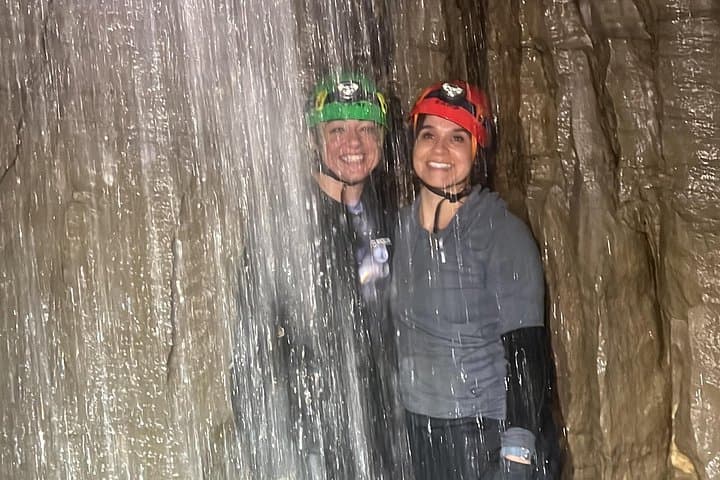
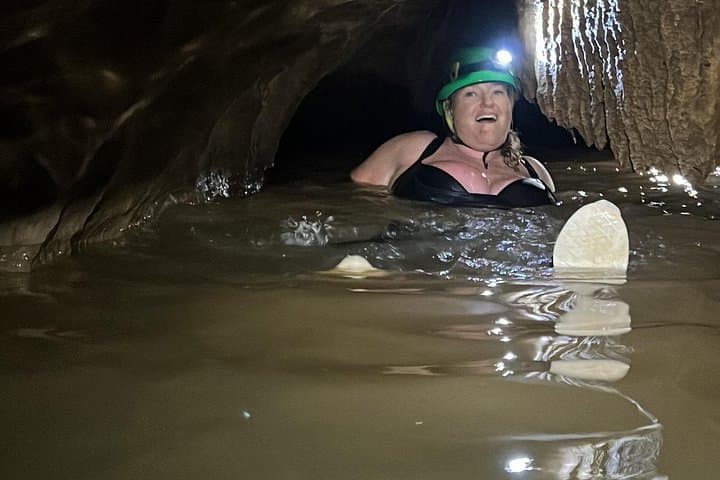
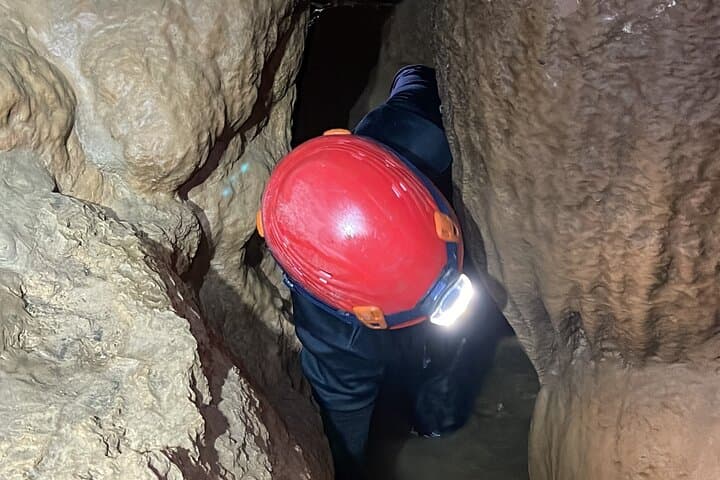
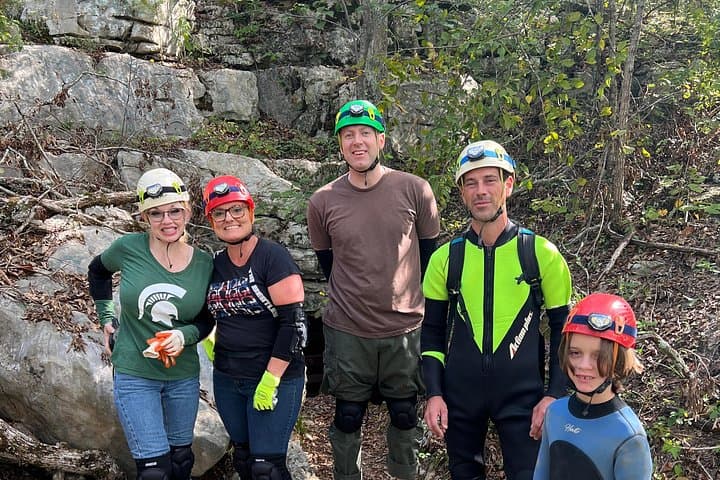
The first step is a soft thud as your boot meets the cave lip, then the light contracts until the beam of your headlamp becomes everything. You duck past a low band of rock and the sound of an underground creek tightens into focus — pockets of water prickle against your knees, and a column of calcite glows pale in your light. For the next five to six hours you move on hands and feet through passages few visitors see: rimstone pools that cradle mirror-smooth water, narrow squeezes that quiz your patience, and a buried waterfall that throws a steady, cold mist.
The first step is a soft thud as your boot meets the cave lip, then the light contracts until the beam of your headlamp becomes everything. You duck past a low band of rock and the sound of an underground creek tightens into focus — pockets of water prickle against your knees, and a column of calcite glows pale in your light. For the next five to six hours you move on hands and feet through passages few visitors see: rimstone pools that cradle mirror-smooth water, narrow squeezes that quiz your patience, and a buried waterfall that throws a steady, cold mist.
Sims Cave Park sits where Alabama’s Mississippian limestone gives up to a network of solution caves carved over hundreds of thousands of years. These passages tell a slow geological story — dripping, pooling, then stacking mineral layers into curtains and stalactites. Humans have known about these caverns for generations; local spelunkers and naturalists helped map many of the chambers, and the cave culture here values stewardship: leave formations intact and keep noise low to protect bat populations.
This is the extreme variant of the operator’s tours: a 5½-hour route that includes bouldering, crawling, and low, wet stream passages. Average cave temperature hovers near 62°F, so the interior feels constant regardless of season, but the approach trail and parking can change with weather. Guides outfit guests with helmets, headlamps, knee and elbow pads and gloves, and provide bottled water — you bring the grit and curiosity.
Practical pointers: wear sturdy, treaded footwear you don’t mind getting ruined and layered synthetics that dry fast. Expect to be filthy and wet; pack a complete change of clothes and a towel in a waterproof bag. Leave jewelry, watches, and delicate electronics behind; bring a compact, waterproof action camera if you want photos (and check the guide’s policy first). Fitness matters — this isn’t a stroll. Participants should be comfortable squeezing into tight spaces, hoisting themselves over boulders, and wading through chilly stream sections.
Safety and access: the tour isn’t recommended for people with spinal, heart conditions, or for pregnant travelers. Groups are guided and the experience is private by booking, but the route can be physically demanding and psychologically intense for those with claustrophobia.
If you go, plan for muddy parking, a long change of clothes, and strong shoes. Stay present in the dark: caves move at a different pace than the surface, and in that slow quiet the rock almost seems to guide you deeper.