THE ADVENTURE COLLECTIVE® · Independent discovery and booking for outdoor travel

Descend 120 meters into Þríhnúkagígur’s colorful magma chamber after a 3 km hike across otherworldly lava fields. This guided small-group tour from Reykjavík pairs geology, safety-led exploration and striking volcanic scenery.
Descend 120 meters into Þríhnúkagígur’s colorful magma chamber after a 3 km hike across otherworldly lava fields. This guided small-group tour from Reykjavík pairs geology, safety-led exploration and striking volcanic scenery.
The ground crunches beneath your boots, black glassy shards of ancient lava catching the low light as the Blue Mountains push the sky into a clean, cold blue.
Verified experiences and guided adventures in the surrounding area.
Operated by Gray Line Iceland · Reykjavík, Capital Region
The ground crunches beneath your boots, black glassy shards of ancient lava catching the low light as the Blue Mountains push the sky into a clean, cold blue.
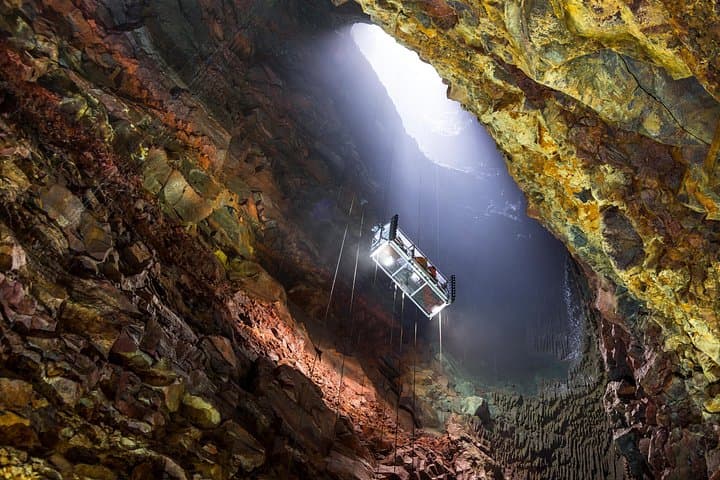
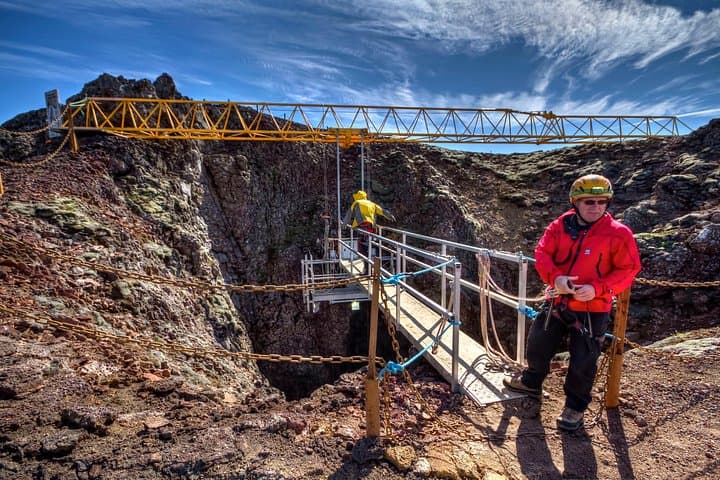
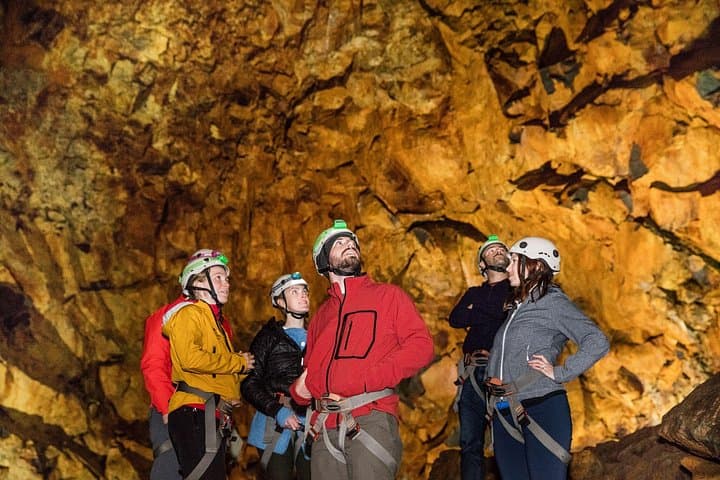
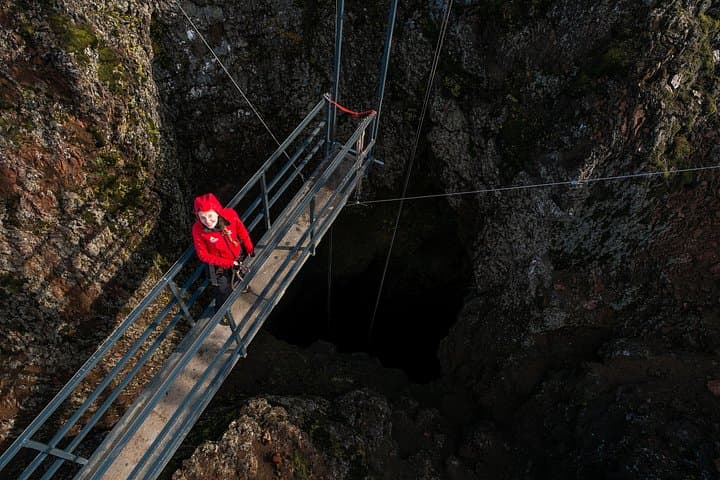
You approach the rim of Thrihnukagigur after a 3 km hike across uneven lava fields; wind tugs at jackets and the landscape seems to watch you back, fissures and cones standing like well-worn bones of the island. At the crater edge guides fit helmets and harnesses, and an open cable elevator lowers the group 120 meters into a cavern where mineral stains paint the walls in ochre, green and deep rust.
Thrihnukagigur last erupted over 4,000 years ago, but its interior remained preserved when the magma drained away—creating a unique accessible chamber. The Bláfjöll range around Reykjavík is product of repeated volcanic activity on the Mid-Atlantic Ridge, and local folklore ties the raw terrain to sagas of early settlers and seafaring communities.
Expect clear geological lessons and tight safety protocols: guides explain rock formation, discuss Iceland’s rift geology and point out landmarks back toward Reykjavík. Respect for the site is enforced—groups are limited and guided to minimize impact.
Practical notes: the full outing runs about 5–6 hours including transport; wear warm, waterproof layers and sturdy hiking boots, and carry water and a small snack. The trail is uneven and weather shifts fast—start early for better light and calmer winds. This is a rare, hands-on encounter with the island’s volcanic heart: immersive, rugged and precise in equal measure.
The elevator lowers you approximately 120 meters (about 400 feet) into the magma chamber; the interior exploration lasts roughly an hour.
Yes; minimum age is 8, but children must be able to hike the uneven 3 km approach and follow safety instructions for the descent.
Wear warm, waterproof clothing and sturdy hiking boots. Bring a daypack with water, snacks, and a camera; helmets and harnesses are provided.
Not recommended for pregnant travelers or those with serious cardiovascular or spinal problems—moderate fitness is required and physical limitations should be disclosed at booking.
Gray Line Iceland operates guided outdoor trips and adventures with an emphasis on safety, stewardship, and memorable experiences.
The ground crunches beneath your boots, black glassy shards of ancient lava catching the low light as the Blue Mountains push the sky into a clean, cold blue.
The ground crunches beneath your boots, black glassy shards of ancient lava catching the low light as the Blue Mountains push the sky into a clean, cold blue.
You approach the rim of Thrihnukagigur after a 3 km hike across uneven lava fields; wind tugs at jackets and the landscape seems to watch you back, fissures and cones standing like well-worn bones of the island. At the crater edge guides fit helmets and harnesses, and an open cable elevator lowers the group 120 meters into a cavern where mineral stains paint the walls in ochre, green and deep rust.
Thrihnukagigur last erupted over 4,000 years ago, but its interior remained preserved when the magma drained away—creating a unique accessible chamber. The Bláfjöll range around Reykjavík is product of repeated volcanic activity on the Mid-Atlantic Ridge, and local folklore ties the raw terrain to sagas of early settlers and seafaring communities.
Expect clear geological lessons and tight safety protocols: guides explain rock formation, discuss Iceland’s rift geology and point out landmarks back toward Reykjavík. Respect for the site is enforced—groups are limited and guided to minimize impact.
Practical notes: the full outing runs about 5–6 hours including transport; wear warm, waterproof layers and sturdy hiking boots, and carry water and a small snack. The trail is uneven and weather shifts fast—start early for better light and calmer winds. This is a rare, hands-on encounter with the island’s volcanic heart: immersive, rugged and precise in equal measure.