THE ADVENTURE COLLECTIVE® · Independent discovery and booking for outdoor travel

Descend 600 meters into the Ngorongoro Crater on a full-day shared safari and encounter high-density wildlife, sweeping crater views, and a picnic on the crater floor. This practical guide explains what to expect, how to prepare, and the local context behind Tanzania’s famous caldera.
Descend 600 meters into the Ngorongoro Crater on a full-day shared safari and encounter high-density wildlife, sweeping crater views, and a picnic on the crater floor. This practical guide explains what to expect, how to prepare, and the local context behind Tanzania’s famous caldera.
The day begins before dawn, headlights cutting a path through highland mist as your 4x4 climbs toward the crater rim. When the vehicle eases over the lip and the floor drops away 600 meters below, the landscape opens into a raw, living arena—grasslands, scattered acacia, and herds that move with slow, deliberate purpose.
Verified experiences and guided adventures in the surrounding area.
Operated by Safari Stride · Karatu, Arusha Region
The day begins before dawn, headlights cutting a path through highland mist as your 4x4 climbs toward the crater rim. When the vehicle eases over the lip and the floor drops away 600 meters below, the landscape opens into a raw, living arena—grasslands, scattered acacia, and herds that move with slow, deliberate purpose.
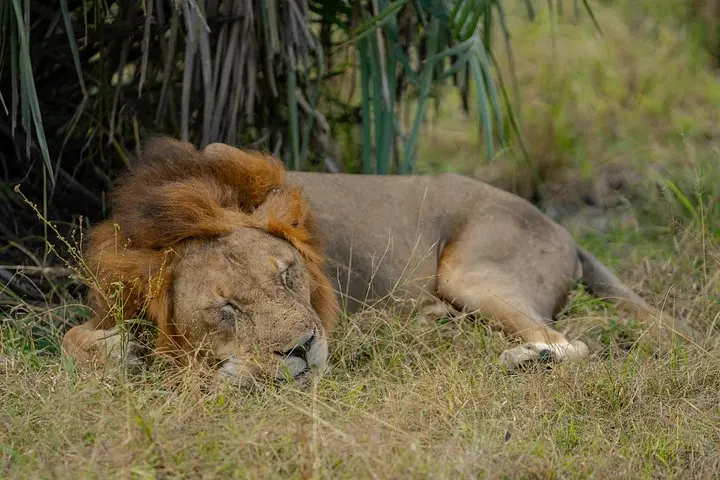
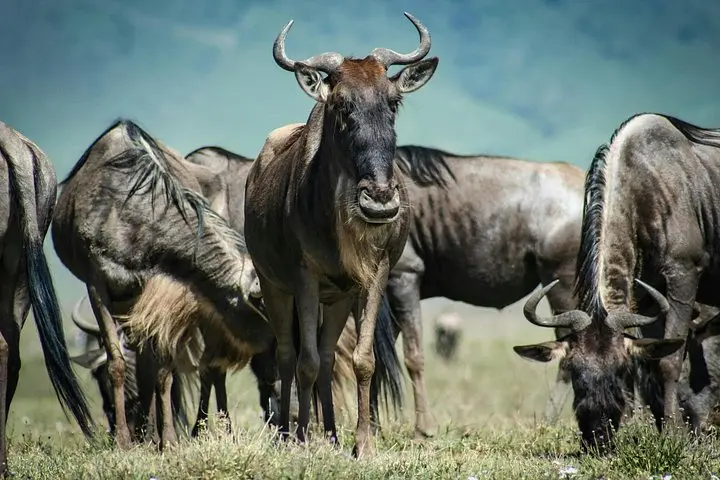
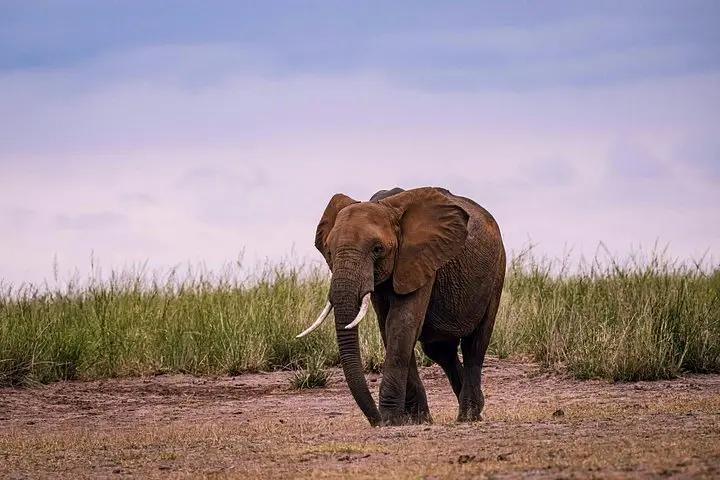
Ngorongoro is the world’s largest unbroken volcanic caldera, formed roughly 2–3 million years ago and now a UNESCO World Heritage Site. Archaeological neighbors like Olduvai Gorge speak to deep human history here, while the Maasai continue to graze ancestral stock along the crater margins. Geology delivers the bowl; ecology fills it: lions, elephants, buffalo, and a resident cohort of black rhino share grazed plains, and seasonal pools attract flamingos and countless waterbirds.
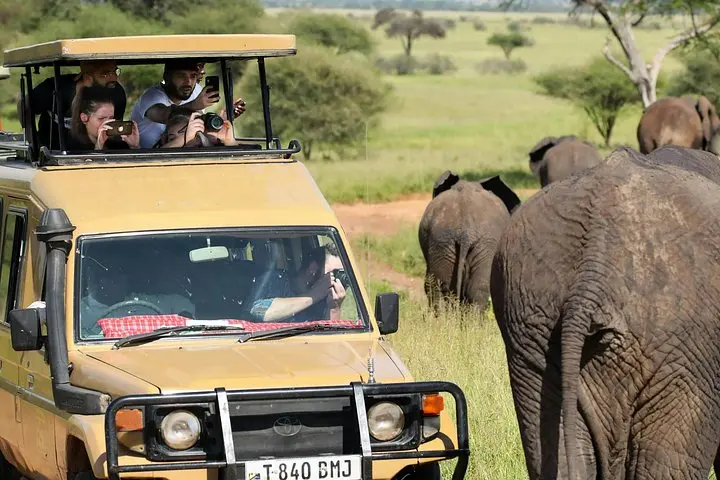
On a shared full-day safari you’ll descend early, spend hours watching predator-prey dynamics, and break for a picnic lunch on the crater floor—your guide coordinating routes to maximize sightings while sticking to conservation roads. Expect dusty tracks, occasional bumpy rides, and long stretches of quiet observation punctuated by the snap of a camera shutter.
Practical edge: schedule an early pickup to catch softer light and active wildlife, bring layered clothing for sharp temperature swings between rim and floor, and keep cameras and binoculars charged. Respect park rules—stay in the vehicle unless directed—and pack water, sun protection, and motion-sickness remedies if you’re prone. This is a long, sensory-rich day: plan for comfort, patience, and the reward of close-up wildlife viewing in one of Africa’s most concentrated ecosystems.
The excursion runs about 8–10 hours including travel from Karatu, descent into the crater, wildlife viewing, and a picnic stop.
Ngorongoro has a high density of wildlife and sightings of the Big Five are possible but not guaranteed—guides optimize routes to increase odds.
Yes; entrance and government fees are listed as included in the tour price, along with bottled water and a guide.
The operator lists wheelchair-accessible features; however, crater terrain and vehicle access can be uneven—confirm specifics and pickup logistics when booking.
Safari Stride operates guided outdoor trips and adventures with an emphasis on safety, stewardship, and memorable experiences.
The day begins before dawn, headlights cutting a path through highland mist as your 4x4 climbs toward the crater rim. When the vehicle eases over the lip and the floor drops away 600 meters below, the landscape opens into a raw, living arena—grasslands, scattered acacia, and herds that move with slow, deliberate purpose.
The day begins before dawn, headlights cutting a path through highland mist as your 4x4 climbs toward the crater rim. When the vehicle eases over the lip and the floor drops away 600 meters below, the landscape opens into a raw, living arena—grasslands, scattered acacia, and herds that move with slow, deliberate purpose.
Ngorongoro is the world’s largest unbroken volcanic caldera, formed roughly 2–3 million years ago and now a UNESCO World Heritage Site. Archaeological neighbors like Olduvai Gorge speak to deep human history here, while the Maasai continue to graze ancestral stock along the crater margins. Geology delivers the bowl; ecology fills it: lions, elephants, buffalo, and a resident cohort of black rhino share grazed plains, and seasonal pools attract flamingos and countless waterbirds.
On a shared full-day safari you’ll descend early, spend hours watching predator-prey dynamics, and break for a picnic lunch on the crater floor—your guide coordinating routes to maximize sightings while sticking to conservation roads. Expect dusty tracks, occasional bumpy rides, and long stretches of quiet observation punctuated by the snap of a camera shutter.
Practical edge: schedule an early pickup to catch softer light and active wildlife, bring layered clothing for sharp temperature swings between rim and floor, and keep cameras and binoculars charged. Respect park rules—stay in the vehicle unless directed—and pack water, sun protection, and motion-sickness remedies if you’re prone. This is a long, sensory-rich day: plan for comfort, patience, and the reward of close-up wildlife viewing in one of Africa’s most concentrated ecosystems.