THE ADVENTURE COLLECTIVE® · Independent discovery and booking for outdoor travel

A guided, 90-minute mindful walk through the Desert Botanical Garden that blends meditation, plant lore, and sensory practice. Ideal for travelers seeking a calm, interpretive desert experience with practical insight into local ecology.
A guided, 90-minute mindful walk through the Desert Botanical Garden that blends meditation, plant lore, and sensory practice. Ideal for travelers seeking a calm, interpretive desert experience with practical insight into local ecology.
You step through the garden gate and the Sonoran Desert exhales—dry air warmed by the sun, creosote scent riding on a breeze that teases the spines of saguaros. The guide slows the pace; the path narrows between ribbed cacti and low-rock washes where ancient soils hold summer storms like memory. Nature here speaks in textures and timing: the creak of old wood, the soft rattle of seedpods, a hummingbird’s wings blurring silver.
Verified experiences and guided adventures in the surrounding area.
You step through the garden gate and the Sonoran Desert exhales—dry air warmed by the sun, creosote scent riding on a breeze that teases the spines of saguaros. The guide slows the pace; the path narrows between ribbed cacti and low-rock washes where ancient soils hold summer storms like memory. Nature here speaks in textures and timing: the creak of old wood, the soft rattle of seedpods, a hummingbird’s wings blurring silver.
The Desert Botanical Garden sits on land shaped by millennia of basalt and alluvium at the edge of Papago Park. Designed in the 20th century to conserve arid plants, the garden now interprets both botanical science and Indigenous uses of desert plants. Geology tilts the views toward red buttes and the Salt River valley; culture appears in plant stories—food, medicine, ceremony—passed down through generations.
On a shamanic walking tour, meditative pauses line the route: breathwork beneath a paloverde, a guided reflection near a blooming ocotillo, listening exercises that tune you to wind and insect rhythms. Expect gentle talk on plant ecology and symbolic uses rather than intensive botanical lectures.
Practicalities matter: the loop is short but exposed—bring sun protection, drink water, and move at a comfortable pace. Early morning or late afternoon visits reduce heat and maximize wildlife sightings. Stay on designated trails to protect root systems and archaeological features. This experience blends quiet, sensory practice with desert literacy—an accessible way to meet the Sonoran on its own terms.
Yes—this is a gentle, interpretive walk designed for a broad range of ages and fitness levels; children who can walk 90 minutes are welcome.
Some paved sections of the Desert Botanical Garden are accessible, but portions of the walking route may include compacted gravel; contact the garden for specific accessibility needs.
Tours are typically rescheduled or shortened during extreme heat advisories or thunderstorms; check confirmation details and the garden’s weather policy.
Basic photography is usually allowed, but guests should follow the guide’s instructions during meditative moments and respect other participants’ privacy.
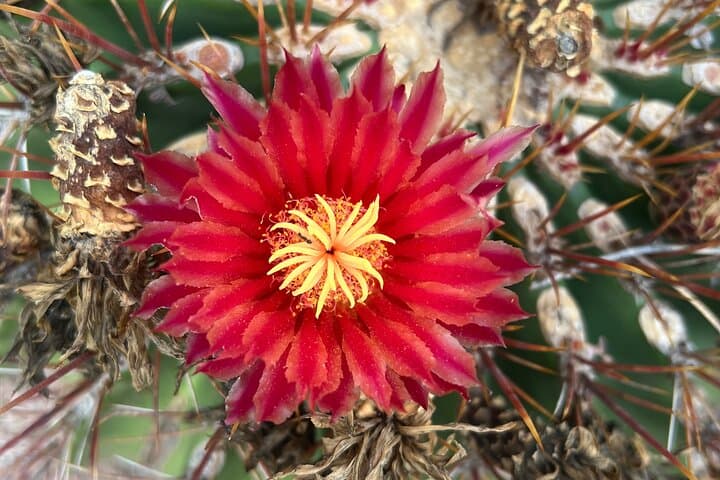
You step through the garden gate and the Sonoran Desert exhales—dry air warmed by the sun, creosote scent riding on a breeze that teases the spines of saguaros. The guide slows the pace; the path narrows between ribbed cacti and low-rock washes where ancient soils hold summer storms like memory. Nature here speaks in textures and timing: the creak of old wood, the soft rattle of seedpods, a hummingbird’s wings blurring silver.
You step through the garden gate and the Sonoran Desert exhales—dry air warmed by the sun, creosote scent riding on a breeze that teases the spines of saguaros. The guide slows the pace; the path narrows between ribbed cacti and low-rock washes where ancient soils hold summer storms like memory. Nature here speaks in textures and timing: the creak of old wood, the soft rattle of seedpods, a hummingbird’s wings blurring silver.
The Desert Botanical Garden sits on land shaped by millennia of basalt and alluvium at the edge of Papago Park. Designed in the 20th century to conserve arid plants, the garden now interprets both botanical science and Indigenous uses of desert plants. Geology tilts the views toward red buttes and the Salt River valley; culture appears in plant stories—food, medicine, ceremony—passed down through generations.
On a shamanic walking tour, meditative pauses line the route: breathwork beneath a paloverde, a guided reflection near a blooming ocotillo, listening exercises that tune you to wind and insect rhythms. Expect gentle talk on plant ecology and symbolic uses rather than intensive botanical lectures.
Practicalities matter: the loop is short but exposed—bring sun protection, drink water, and move at a comfortable pace. Early morning or late afternoon visits reduce heat and maximize wildlife sightings. Stay on designated trails to protect root systems and archaeological features. This experience blends quiet, sensory practice with desert literacy—an accessible way to meet the Sonoran on its own terms.