THE ADVENTURE COLLECTIVE® · Independent discovery and booking for outdoor travel

See Uluru, Kata Tjuta, Lake Amadeus and Kings Canyon from a fixed-wing aircraft on a 2-hour Desert Explorer scenic flight. Guaranteed window seating and live commentary make this a fast, powerful way to read the landscape and learn its stories.
See Uluru, Kata Tjuta, Lake Amadeus and Kings Canyon from a fixed-wing aircraft on a 2-hour Desert Explorer scenic flight. Guaranteed window seating and live commentary make this a fast, powerful way to read the landscape and learn its stories.
The propeller’s rhythm drops to a steady hum as the plane lifts off from the red dust of Yulara and the desert opens beneath you like a living map. From your guaranteed window seat, Uluru grows from a monolith to a stage—its iron-red face catching morning light, shadows carving fault lines that look like brushstrokes. Past it, the hummocked domes of Kata Tjuta sit like a cluster of slow-moving islands; further out the salt flats of Lake Amadeus flash white and ochre, revealing veins and contours that only flight can explain. Kings Canyon arrives last: sheer cliffs, miniature rivers and the Garden of Eden tucked like a secret reservoir the land refuses to give up easily.
Verified experiences and guided adventures in the surrounding area.
Operated by Ayers Rock Scenic Plane Flights · Yulara, Northern Territory
The propeller’s rhythm drops to a steady hum as the plane lifts off from the red dust of Yulara and the desert opens beneath you like a living map. From your guaranteed window seat, Uluru grows from a monolith to a stage—its iron-red face catching morning light, shadows carving fault lines that look like brushstrokes. Past it, the hummocked domes of Kata Tjuta sit like a cluster of slow-moving islands; further out the salt flats of Lake Amadeus flash white and ochre, revealing veins and contours that only flight can explain. Kings Canyon arrives last: sheer cliffs, miniature rivers and the Garden of Eden tucked like a secret reservoir the land refuses to give up easily.
This 2-hour fixed-wing flight traces the central Australian landscape in a loop that’s equal parts geology lesson and cultural overview. The rock of Uluru is a fragment of an ancient seabed uplifted and weathered over hundreds of millions of years; Kata Tjuta’s domes are conglomerates eroded into rounded ridges. For the local Anangu people, these formations are living places with creation stories and strict cultural protocols—look, listen to the pilot’s commentary, and treat what you see with quiet respect.
Geologically, you’re witnessing time compressed: former coral reefs, salt lakes, and mountain ranges rearranged by tectonic patience. Culturally, the flight offers a perspective not available from the ground—many sites around Uluru remain off-limits for walking or photography to protect their spiritual significance, but from the air you’ll grasp the scale and interconnections between landforms and ancient travel routes.
Practicalities are straightforward but important. Flights run about 180 minutes including transfers; minimum two people required. Weather, aircraft weight limits, and passenger numbers can alter routing or timing—operators will advise on pickup windows. Bring sun protection (even in the plane), a fully charged camera, and expect turbulence over thermal currents in midday heat. Listen for the pilot’s commentary: it’s part navigation, part story, and often points out features that disappear from view as quickly as they appear.
For photographers, low-level passes over Lake Amadeus reveal patterns that the sun amplifies in early morning and late afternoon. If you’re prone to motion sickness, take precautions before boarding. Accessibility is generally good—this is an easy ride physically but rich in visual reward.
In short: the Desert Explorer flight converts the remote into readable landscape. It’s a compact way to learn the region’s geology, glimpse sites rarely seen on the ground, and leave with a clearer sense of why this part of Australia holds such strong cultural and natural significance.
The experience runs about 180 minutes and includes hotel pickup/drop-off, a fixed-wing flight with live commentary, and headsets so you can hear the guide.
Yes—this tour guarantees window seating to maximize views for all passengers.
Flights can be canceled for bad weather or insufficient passengers; you’ll be offered an alternative date or a full refund if canceled.
Children are allowed but must be accompanied by an adult; the flight is rated physically easy and the aircraft used has reasonable accessibility, but check specifics with the operator for individual needs.
Yes—weight and balance considerations apply for small aircraft; operators may request passenger weights when booking and adjust seating accordingly.
Yes—photography is encouraged, but respect any cultural requests mentioned during the flight about photographing certain sacred sites.
Ayers Rock Scenic Plane Flights operates guided outdoor trips and adventures with an emphasis on safety, stewardship, and memorable experiences.
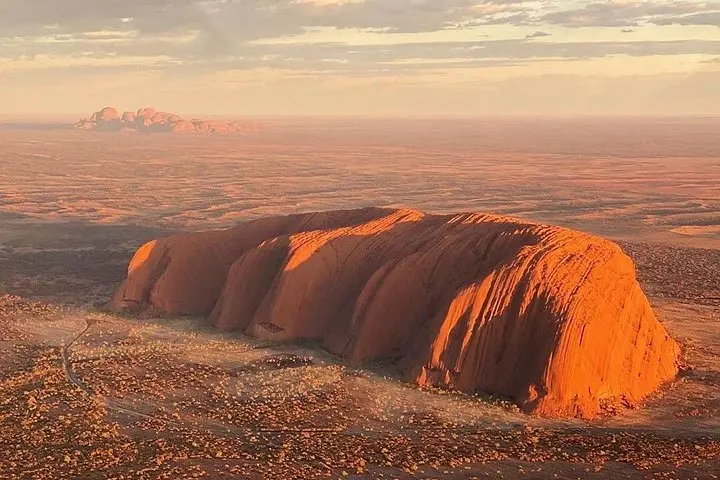
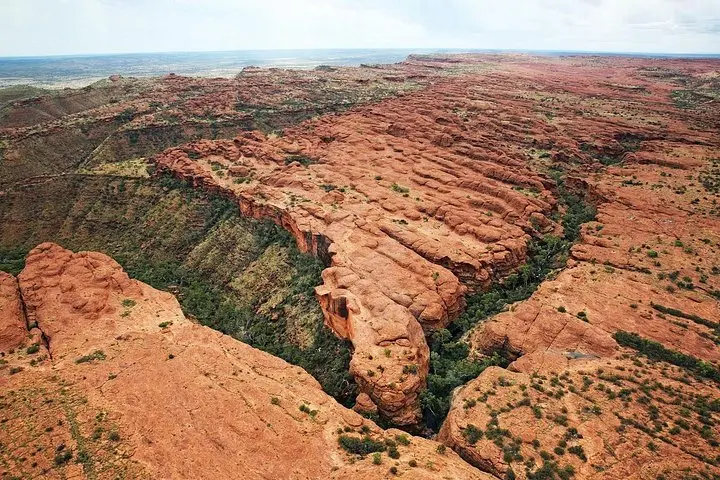
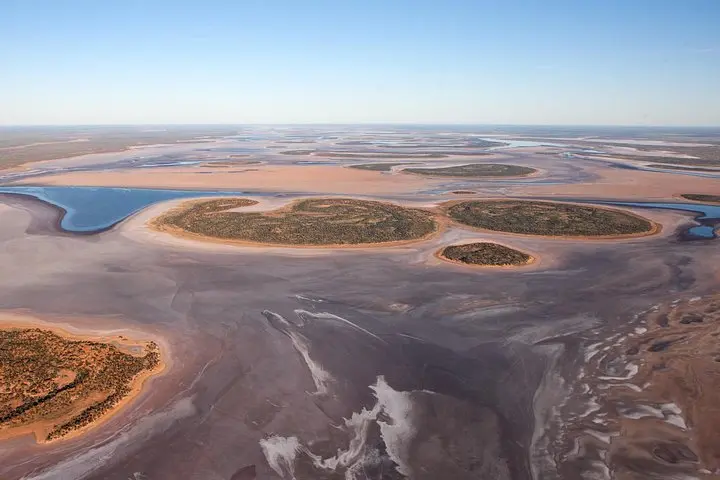
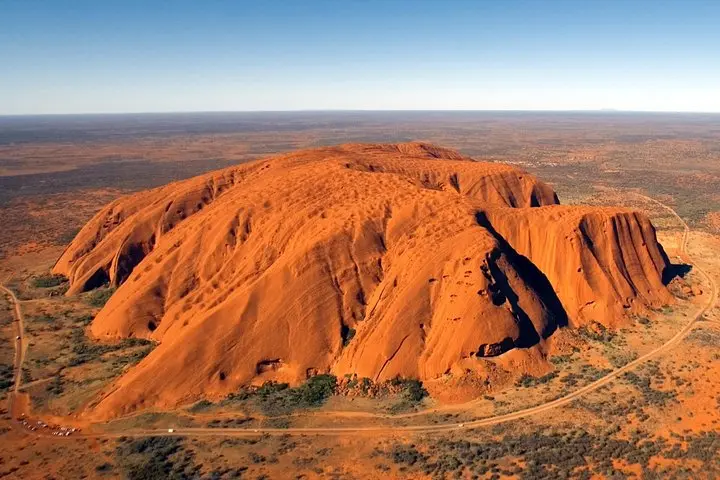
The propeller’s rhythm drops to a steady hum as the plane lifts off from the red dust of Yulara and the desert opens beneath you like a living map. From your guaranteed window seat, Uluru grows from a monolith to a stage—its iron-red face catching morning light, shadows carving fault lines that look like brushstrokes. Past it, the hummocked domes of Kata Tjuta sit like a cluster of slow-moving islands; further out the salt flats of Lake Amadeus flash white and ochre, revealing veins and contours that only flight can explain. Kings Canyon arrives last: sheer cliffs, miniature rivers and the Garden of Eden tucked like a secret reservoir the land refuses to give up easily.
The propeller’s rhythm drops to a steady hum as the plane lifts off from the red dust of Yulara and the desert opens beneath you like a living map. From your guaranteed window seat, Uluru grows from a monolith to a stage—its iron-red face catching morning light, shadows carving fault lines that look like brushstrokes. Past it, the hummocked domes of Kata Tjuta sit like a cluster of slow-moving islands; further out the salt flats of Lake Amadeus flash white and ochre, revealing veins and contours that only flight can explain. Kings Canyon arrives last: sheer cliffs, miniature rivers and the Garden of Eden tucked like a secret reservoir the land refuses to give up easily.
This 2-hour fixed-wing flight traces the central Australian landscape in a loop that’s equal parts geology lesson and cultural overview. The rock of Uluru is a fragment of an ancient seabed uplifted and weathered over hundreds of millions of years; Kata Tjuta’s domes are conglomerates eroded into rounded ridges. For the local Anangu people, these formations are living places with creation stories and strict cultural protocols—look, listen to the pilot’s commentary, and treat what you see with quiet respect.
Geologically, you’re witnessing time compressed: former coral reefs, salt lakes, and mountain ranges rearranged by tectonic patience. Culturally, the flight offers a perspective not available from the ground—many sites around Uluru remain off-limits for walking or photography to protect their spiritual significance, but from the air you’ll grasp the scale and interconnections between landforms and ancient travel routes.
Practicalities are straightforward but important. Flights run about 180 minutes including transfers; minimum two people required. Weather, aircraft weight limits, and passenger numbers can alter routing or timing—operators will advise on pickup windows. Bring sun protection (even in the plane), a fully charged camera, and expect turbulence over thermal currents in midday heat. Listen for the pilot’s commentary: it’s part navigation, part story, and often points out features that disappear from view as quickly as they appear.
For photographers, low-level passes over Lake Amadeus reveal patterns that the sun amplifies in early morning and late afternoon. If you’re prone to motion sickness, take precautions before boarding. Accessibility is generally good—this is an easy ride physically but rich in visual reward.
In short: the Desert Explorer flight converts the remote into readable landscape. It’s a compact way to learn the region’s geology, glimpse sites rarely seen on the ground, and leave with a clearer sense of why this part of Australia holds such strong cultural and natural significance.