THE ADVENTURE COLLECTIVE® · Independent discovery and booking for outdoor travel

A compact two-day circuit through southern Tunisia that pairs Matmata’s troglodyte homes, Chenini’s hilltop village and the warm springs of Ksar Ghilane. Expect cultural encounters, desert walks and an overnight in a Berber tent camp.
A compact two-day circuit through southern Tunisia that pairs Matmata’s troglodyte homes, Chenini’s hilltop village and the warm springs of Ksar Ghilane. Expect cultural encounters, desert walks and an overnight in a Berber tent camp.
You step out of the vehicle into raw silence: wind shapes the sand, dunes rise like slow-moving waves and a single palm grove marks the oasis where steam whispers from a natural hot spring.
Verified experiences and guided adventures in the surrounding area.
Operated by GTH voyages · Tataouine, Tataouine Governorate
You step out of the vehicle into raw silence: wind shapes the sand, dunes rise like slow-moving waves and a single palm grove marks the oasis where steam whispers from a natural hot spring.
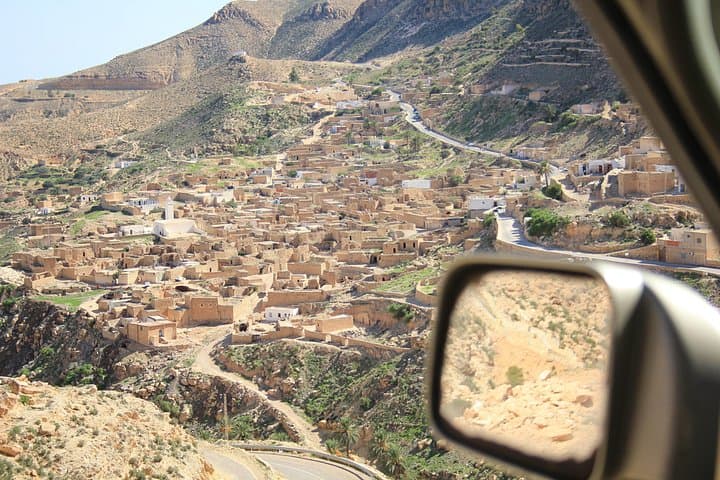
This two-day loop threads together the hardened stone villages of Chenini and Matmata, Roman remnants near Ksar Ghilane, and an overnight in a Berber tent camp. Matmata’s troglodyte homes — rooms hollowed into the earth — reflect millennia of adaptation to extreme heat and cold; George Lucas later used their lunar quality for Star Wars. Chenini perches on a rocky ridge, its stone lanes and mosque speaking to centuries of Amazigh (Berber) settlement. Geologically, the area sits on eroded sedimentary rock and wind-scoured dunes where the eastern Erg begins, so surfaces change from packed clay to loose sand within a few kilometers.
Expect gentle walking around villages, short dune approaches, a soak in ~40°C springs and cultural exchanges: shared meals, music and local handicrafts at small markets. Nights are vivid — the desert claims the sky, stars pull attention, and the campfire makes the dunes seem to breathe.
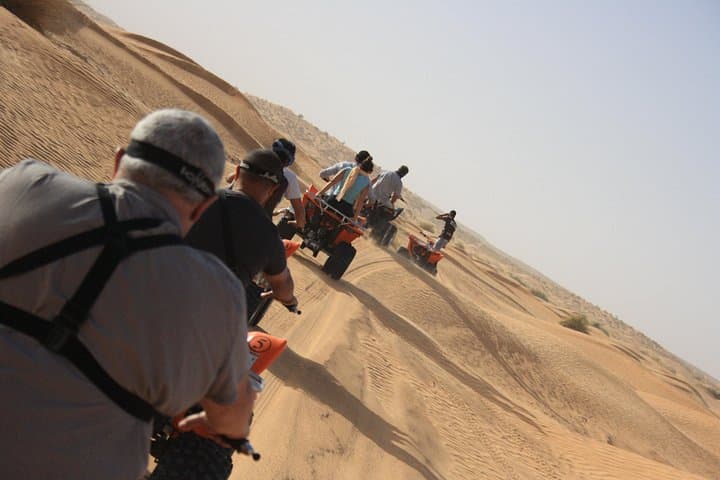
Practical guide: plan for high daytime temperatures and cold nights, bring layers, sun protection and at least 2–3 liters of water per person per day. Footwear should handle sand and rocky alleys. If you want camel or quad rides, budget extra time and cash; guided pickup from Djerba is common. Respect private homes in villages and follow your guide on off-track walking to protect fragile desert flora.
Yes—this itinerary is family-friendly and adaptable for small children, but consider desert conditions and night temperatures; bring appropriate clothing and infant supplies.
The tour includes two lunches, dinner and breakfast at the camp and village meals featuring traditional Berber dishes like couscous and tagine.
Most departures offer pickup from Djerba or nearby points; confirm your pickup location and time at booking and provide flight details if coordinating arrival transfers.
Optional activities such as camel rides or quad excursions are available at Ksar Ghilane for an extra fee; they are arranged locally and depend on conditions.
GTH voyages operates guided outdoor trips and adventures with an emphasis on safety, stewardship, and memorable experiences.
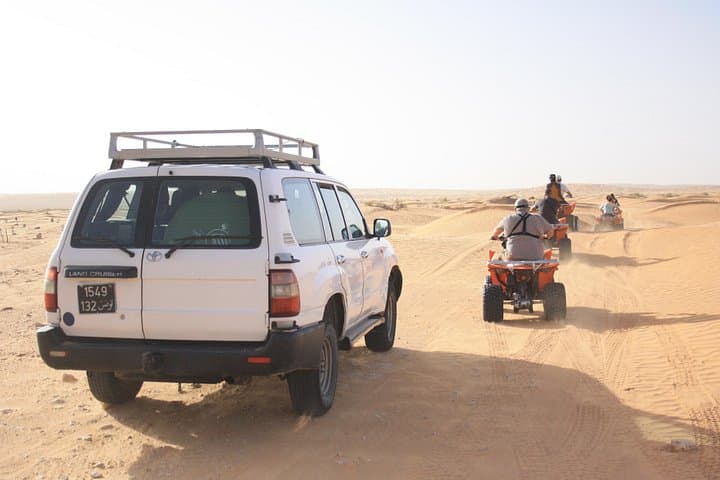
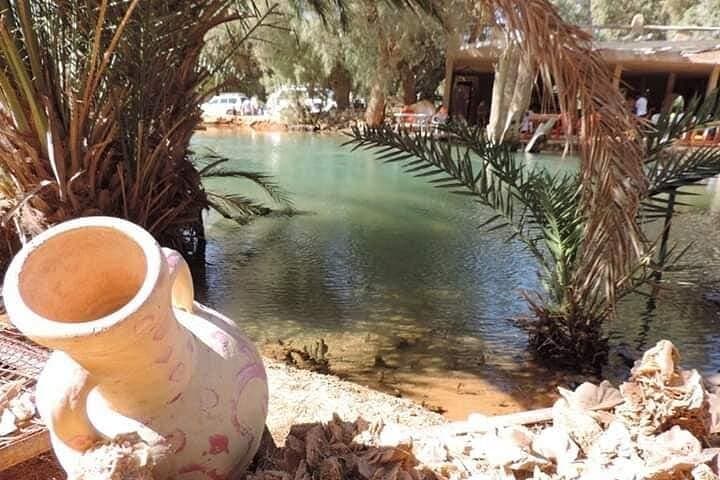
You step out of the vehicle into raw silence: wind shapes the sand, dunes rise like slow-moving waves and a single palm grove marks the oasis where steam whispers from a natural hot spring.
You step out of the vehicle into raw silence: wind shapes the sand, dunes rise like slow-moving waves and a single palm grove marks the oasis where steam whispers from a natural hot spring.
This two-day loop threads together the hardened stone villages of Chenini and Matmata, Roman remnants near Ksar Ghilane, and an overnight in a Berber tent camp. Matmata’s troglodyte homes — rooms hollowed into the earth — reflect millennia of adaptation to extreme heat and cold; George Lucas later used their lunar quality for Star Wars. Chenini perches on a rocky ridge, its stone lanes and mosque speaking to centuries of Amazigh (Berber) settlement. Geologically, the area sits on eroded sedimentary rock and wind-scoured dunes where the eastern Erg begins, so surfaces change from packed clay to loose sand within a few kilometers.
Expect gentle walking around villages, short dune approaches, a soak in ~40°C springs and cultural exchanges: shared meals, music and local handicrafts at small markets. Nights are vivid — the desert claims the sky, stars pull attention, and the campfire makes the dunes seem to breathe.
Practical guide: plan for high daytime temperatures and cold nights, bring layers, sun protection and at least 2–3 liters of water per person per day. Footwear should handle sand and rocky alleys. If you want camel or quad rides, budget extra time and cash; guided pickup from Djerba is common. Respect private homes in villages and follow your guide on off-track walking to protect fragile desert flora.