THE ADVENTURE COLLECTIVE® · Independent discovery and booking for outdoor travel

Turn Brooklyn Bridge Park into a living lab: this winter program guides grades 3–8 through hands-on shoreline design and testing. In one focused hour students observe tidal processes, build models, and explore climate-ready solutions.
Turn Brooklyn Bridge Park into a living lab: this winter program guides grades 3–8 through hands-on shoreline design and testing. In one focused hour students observe tidal processes, build models, and explore climate-ready solutions.
Book with Brooklyn Bridge Park
Verified experiences and guided adventures in the surrounding area.
Operated by Brooklyn Bridge Park · Brooklyn, New York
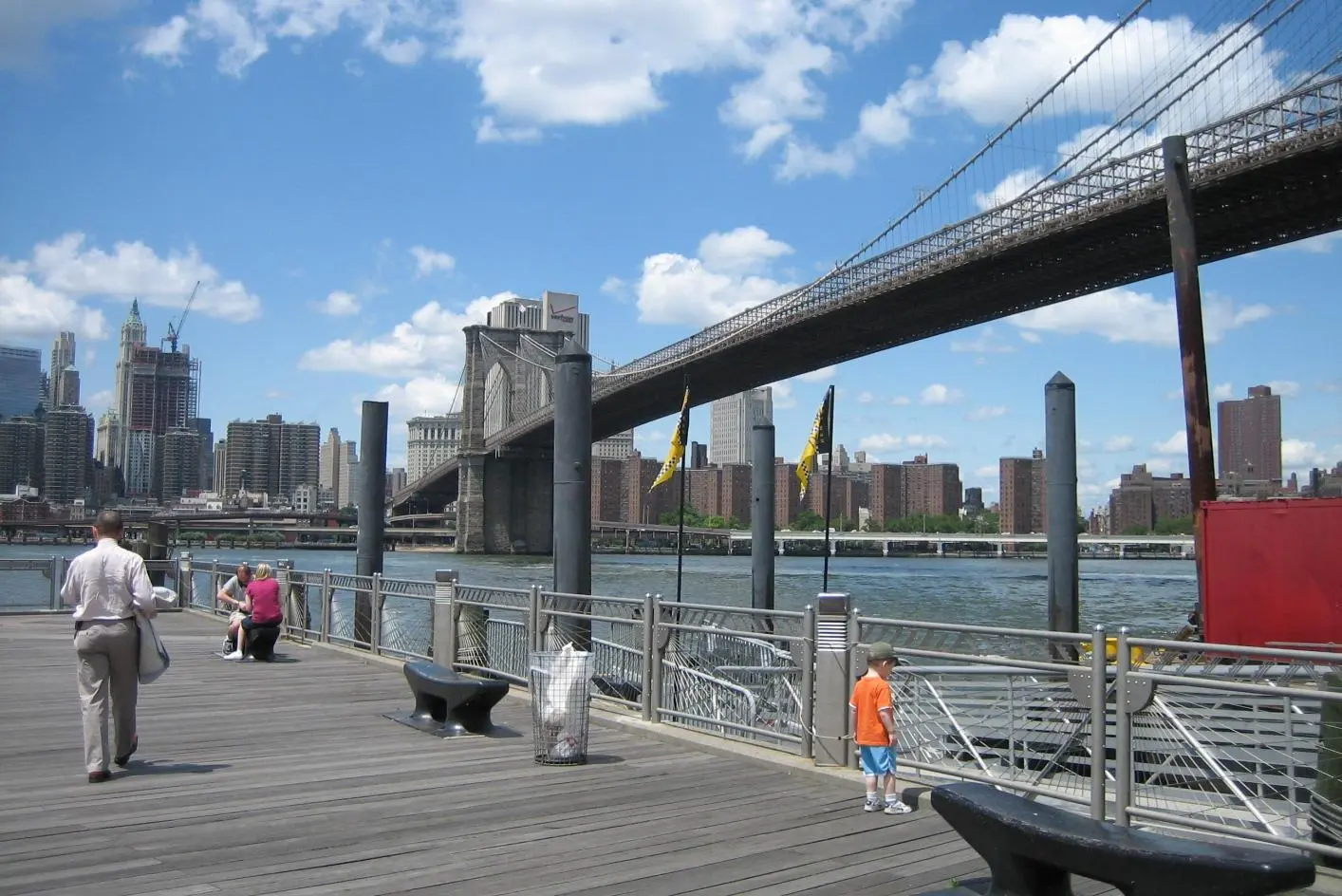
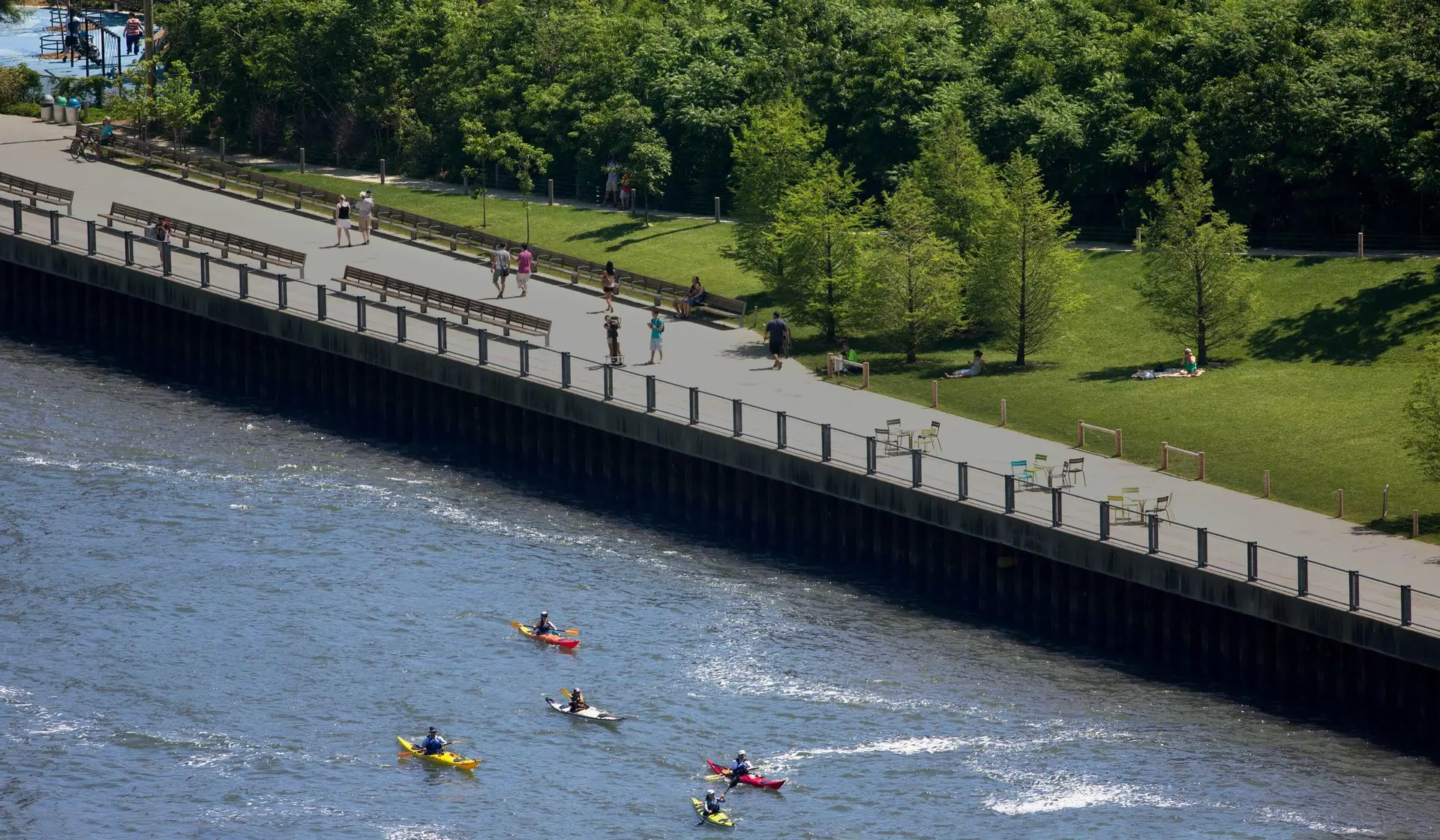
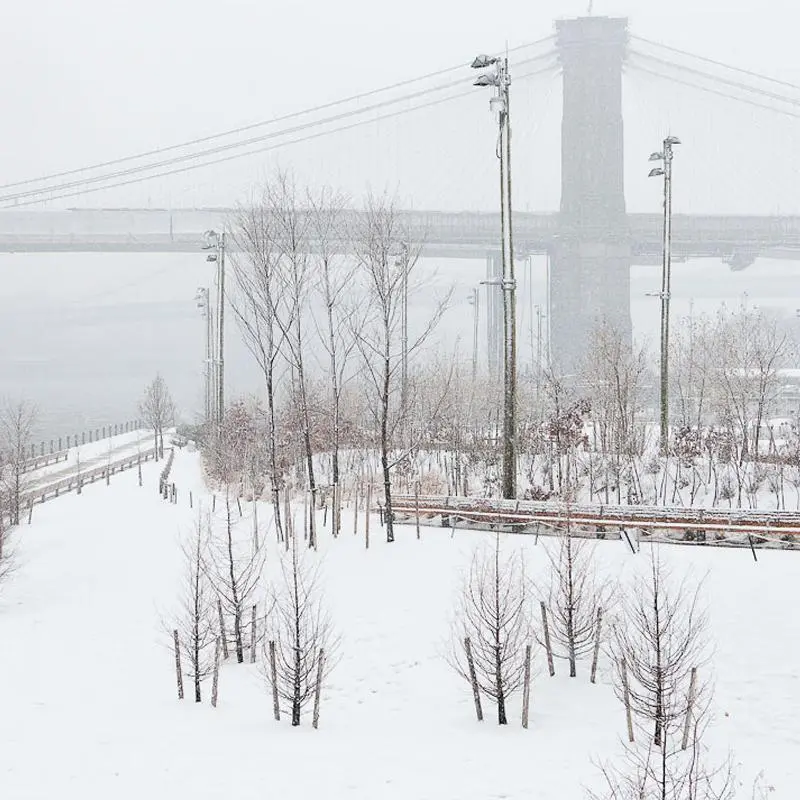
On a winter morning at Brooklyn Bridge Park, a band of third- to eighth-graders gathers in the Education Center to tackle a civic puzzle: how do we design shorelines that stand up to storms, tides, and a changing climate? Designing a Resilient Shoreline (Gr. 3-8, Winter) is a 60-minute, hands-on program that turns the Park into a living laboratory where students observe engineered edges, study water conservation, and build model shorelines to test their ideas. From the waterfront you can see the East River’s tidal currents and the hardened revetments, pilings, and planted marsh pockets that make Brooklyn Bridge Park distinct in the New York harbor. Key features for visiting classes include the piers and promenade, salt-tolerant plantings, and visible engineering—sheet pile walls, cobble slopes, and stormwater bioswales—that demonstrate practical design responses to erosion and sea-level rise. Students examine samples of sand, gravel, and native grasses, and discuss how habitats and human infrastructure can coexist. The curriculum aligns with Common Core, NYC and New York State learning standards, emphasizing inquiry-based learning and inclusive instruction. In small groups learners sketch shoreline cross-sections, predict how different materials perform under wave action, and construct foam-and-card models to simulate storm surge. Instructors from the Park guide observation at the water’s edge, then return to the Education Center for testing and reflection. The format supports teachers by meeting classroom objectives while giving students tactile, memorable experiences. Practical tips make the visit smoother: arrive early and bring layered clothing for waterfront wind; plan for a 60-minute block but allow extra time for transit; let program staff know about accommodations in advance; and bring waterproof notebooks for field observations. This program is uniquely positioned inside an active public park where real infrastructure and ecology collide, offering a local example of urban resilience that resonates beyond the classroom. Book through the Park’s Education Program to connect students with place-based science that matters. Educators value the program because it turns abstract concepts into observable cause-and-effect: students witness tidal influence on sediment, test permeable versus hard surfaces, and learn how planting native species buffers erosion while supporting urban wildlife. The Park’s Education Program reaches over 10,000 students annually and intentionally supports diverse learners; tell staff about accessibility needs before arrival. Winter sessions emphasize cold-weather safety and observation of stormwater patterns without crowds. Families and school groups seeking a curriculum-driven, outdoor science experience will find this offering both practical and inspiring: it’s classroom standards mapped onto the shoreline. Reserve a slot through the Park’s booking link, confirm the meeting point at the Education Center, and arrive ready to get hands-on—students should expect to sketch, test, and iterate ideas in one focused hour. Teachers receive pre-visit materials, safety guidance, and follow-up resources.
Designed for grades 3–8.
The program is 60 minutes long.
Meeting point is the Education Center.
Free | Up to 35 Students | Chaperones Required (as listed).
Yes. The Park’s Education Program supports diverse learners—please notify staff about accommodations prior to arrival.
Reserve a slot through the Park’s booking link provided in the referral information and confirm details with Education Center staff.
Brooklyn Bridge Park is a waterfront public park in Brooklyn, New York that programs fitness, environmental education, arts, and community events along the East River. The park hosts partner-led fitness classes including Zumba with Dodge YMCA, Pilates with Dodge YMCA, Amp'd with Chelsea Piers Fitness, and Sunset Yoga with Abhaya Yoga. These outdoor classes accommodate a range of abilities and typically ask participants to bring a mat when noted. Educational programs and school field trips are a core offering. Hands-on lessons include Go Fish! Seining the East River (Gr. 9-12), The Awesome Oyster (Gr. 1-8), Plankton and Plastics (Gr. 4-12), Habitats and their Inhabitants (PreK-5), Between the Tides (Gr. 1-4), Everything Rocks! (Gr. 2-4), Water Flows: Embracing Climate Solutions for our City (Gr. 5-12), and seasonal offerings such as Trees of Brooklyn Bridge Park (PreK-3). Several programs run on a waitlist and advance registration is required for select tours. Public engagement events include Community Science Fishing Clinic, Youth Soccer League registration, Waterfront Walks, Kinfolk Tech: Dreaming with the Archives Tour, Art Under the Bridge, and bilingual family bird walks. Docent-led walks start at Jane's Carousel for certain tours and explore the park’s design, ecology, and history. Brooklyn Bridge Park partners with organizations such as the Dodge YMCA and Chelsea Piers Fitness, and relies on trained docents and expert anglers to lead activities. Many events are free; equipment or space may be limited, with registration and waitlists used when necessary. Schedules, locations, and registration details are posted on the park website.
Book with Brooklyn Bridge Park