THE ADVENTURE COLLECTIVE® · Independent discovery and booking for outdoor travel

Tackle one of Sri Lanka’s toughest day-hikes: a 15 km, highland trek from Bambarakanda Falls to Ohiya that combines steep ridgelines, tea-terraced slopes and a narrow V-cut pass. Expect rough terrain, long hours, and sweeping highland views.
Tackle one of Sri Lanka’s toughest day-hikes: a 15 km, highland trek from Bambarakanda Falls to Ohiya that combines steep ridgelines, tea-terraced slopes and a narrow V-cut pass. Expect rough terrain, long hours, and sweeping highland views.
The morning opens cold and bright at the Bambarakanda trailhead: mist peels off tea slopes, a waterfall glares from a distant cliff, and the trail immediately turns from service road to rough-cut ridge. Hikers set out at 07:30, shoulder-to-shoulder with a guide, stepping across broken tarmac, through abandoned estate buildings, and into long grass that brushes knees and jacket hems.
Verified experiences and guided adventures in the surrounding area.
Operated by Lakpura LLC · Ohiya, Central Province
The morning opens cold and bright at the Bambarakanda trailhead: mist peels off tea slopes, a waterfall glares from a distant cliff, and the trail immediately turns from service road to rough-cut ridge. Hikers set out at 07:30, shoulder-to-shoulder with a guide, stepping across broken tarmac, through abandoned estate buildings, and into long grass that brushes knees and jacket hems.
This route crosses the southern edge of Sri Lanka’s central highlands — land carved by uplift and heavy rains into steep escarpments, plunging streams and the island’s tallest fall, Bambarakanda (263 m). Colonial-era tea planting left a patchwork of terraces and ruined bungalows; the Devil’s Staircase itself was once a tough jeep track linking remote estates and now challenges modern trekkers with loose scree and narrow V-cuts that push through a hill.
Culturally, the walk threads working tea country and small hill villages where Tamil- and Sinhala-speaking communities maintain a slow, practice-driven rhythm. Wildlife is discreet but present: birds and small mammals appear in glades and along streams.
Practical guidance: expect roughly 15 km of uneven ground, steep gains and exposed sections — plan for 7 hours of continuous hiking and up to 10 hours with breaks. Start early to avoid afternoon winds and rain, pack a waterproof layer and at least 2–3 liters of water, and bring sturdy boots and trekking poles for scree and short scrambles. Guides provide lunch, refreshment stops and an emergency vehicle; still, this is a challenging, remote day that rewards fitness, steady footing and attention to changing montane weather.
Yes — departures include an experienced local guide, support staff, lunch and a backup vehicle for emergencies.
It’s rated challenging: rough 15 km terrain with steep sections and loose footing; recommended for fit, experienced hikers.
Lunch, refreshments, first-aid officer, guide and support staff fees, and emergency transport are provided.
Minimum age is 12; not recommended for people with serious heart, spinal, or severe mobility issues.
Lakpura LLC operates guided outdoor trips and adventures with an emphasis on safety, stewardship, and memorable experiences.
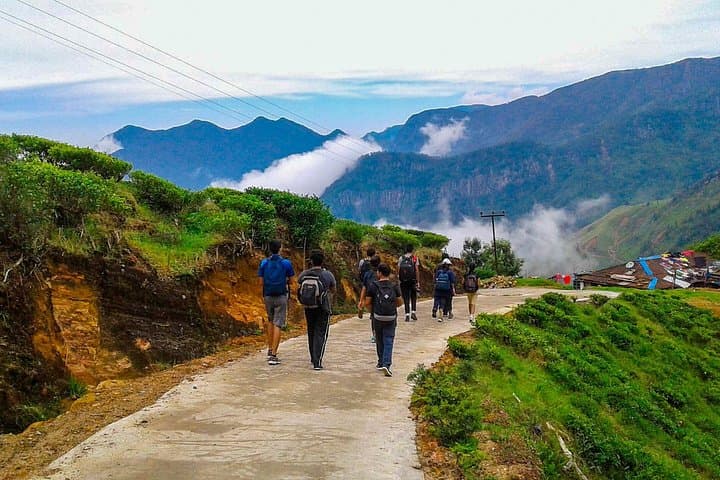
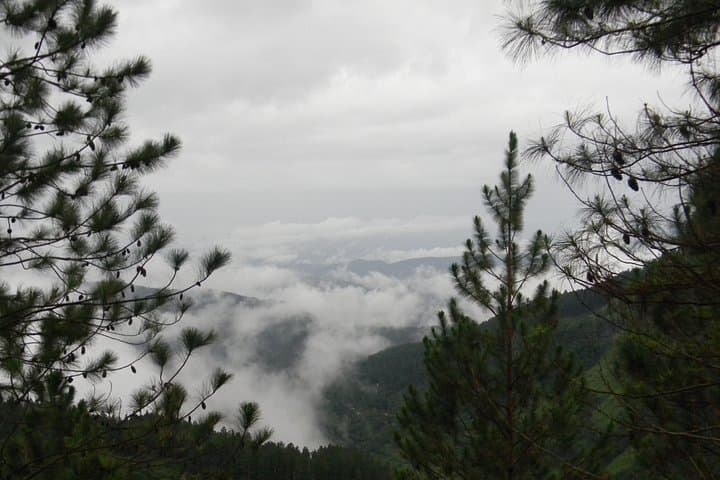
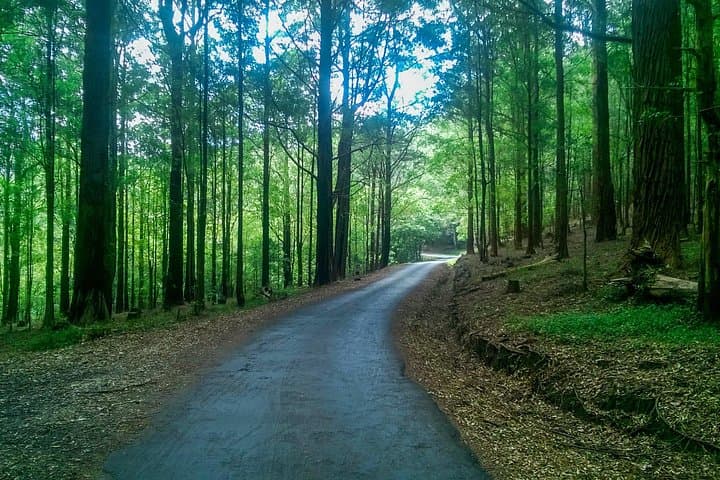
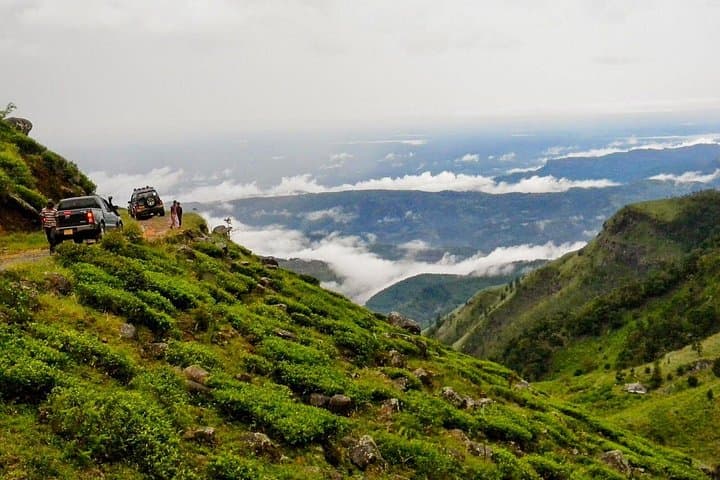
The morning opens cold and bright at the Bambarakanda trailhead: mist peels off tea slopes, a waterfall glares from a distant cliff, and the trail immediately turns from service road to rough-cut ridge. Hikers set out at 07:30, shoulder-to-shoulder with a guide, stepping across broken tarmac, through abandoned estate buildings, and into long grass that brushes knees and jacket hems.
The morning opens cold and bright at the Bambarakanda trailhead: mist peels off tea slopes, a waterfall glares from a distant cliff, and the trail immediately turns from service road to rough-cut ridge. Hikers set out at 07:30, shoulder-to-shoulder with a guide, stepping across broken tarmac, through abandoned estate buildings, and into long grass that brushes knees and jacket hems.
This route crosses the southern edge of Sri Lanka’s central highlands — land carved by uplift and heavy rains into steep escarpments, plunging streams and the island’s tallest fall, Bambarakanda (263 m). Colonial-era tea planting left a patchwork of terraces and ruined bungalows; the Devil’s Staircase itself was once a tough jeep track linking remote estates and now challenges modern trekkers with loose scree and narrow V-cuts that push through a hill.
Culturally, the walk threads working tea country and small hill villages where Tamil- and Sinhala-speaking communities maintain a slow, practice-driven rhythm. Wildlife is discreet but present: birds and small mammals appear in glades and along streams.
Practical guidance: expect roughly 15 km of uneven ground, steep gains and exposed sections — plan for 7 hours of continuous hiking and up to 10 hours with breaks. Start early to avoid afternoon winds and rain, pack a waterproof layer and at least 2–3 liters of water, and bring sturdy boots and trekking poles for scree and short scrambles. Guides provide lunch, refreshment stops and an emergency vehicle; still, this is a challenging, remote day that rewards fitness, steady footing and attention to changing montane weather.