THE ADVENTURE COLLECTIVE® · Independent discovery and booking for outdoor travel

Ride the train out of Delhi, then climb into the Dhauladhar foothills for a four-day mix of Tibetan culture, waterfalls and tea gardens. This accessible weekend trip pairs scenic rail and private-car transfers with visits to the Dalai Lama temple, Bhagsunag Waterfall and local craft centers.
Ride the train out of Delhi, then climb into the Dhauladhar foothills for a four-day mix of Tibetan culture, waterfalls and tea gardens. This accessible weekend trip pairs scenic rail and private-car transfers with visits to the Dalai Lama temple, Bhagsunag Waterfall and local craft centers.
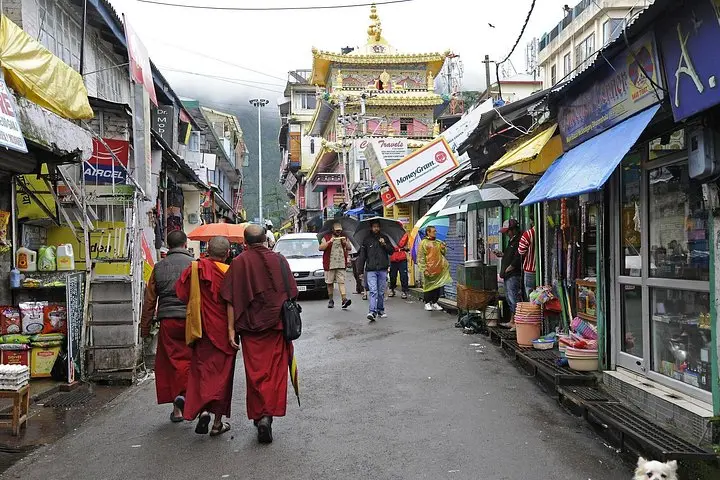
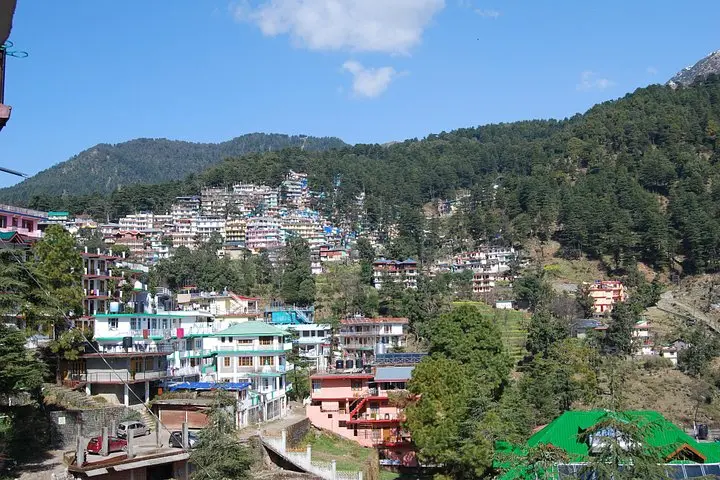
The train slows through the smoky plains and the carriage windows begin to show foothills—an advancing green that climbs into the Dhauladhar range. From Pathankot a private car takes you up a two-hour ribbon of road, pine-scented air pressing at the glass as Dharamshala and nearby McLeodganj open into hillside lanes and fluttering prayer flags.
Verified experiences and guided adventures in the surrounding area.
Operated by vwitours · Dharamshala, Himachal Pradesh
The train slows through the smoky plains and the carriage windows begin to show foothills—an advancing green that climbs into the Dhauladhar range. From Pathankot a private car takes you up a two-hour ribbon of road, pine-scented air pressing at the glass as Dharamshala and nearby McLeodganj open into hillside lanes and fluttering prayer flags.
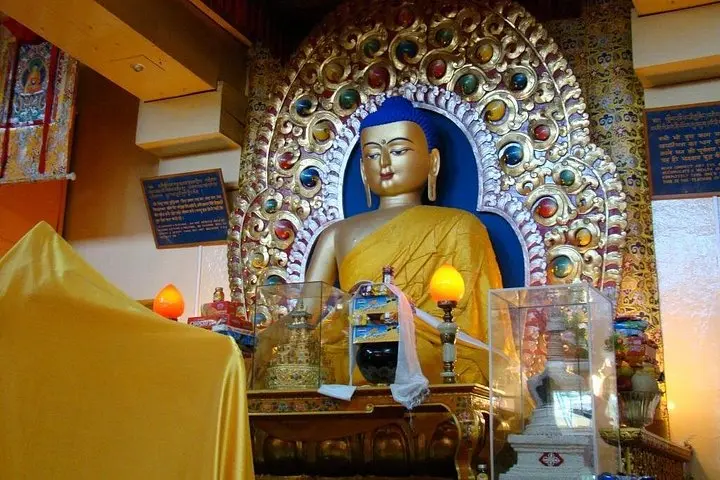
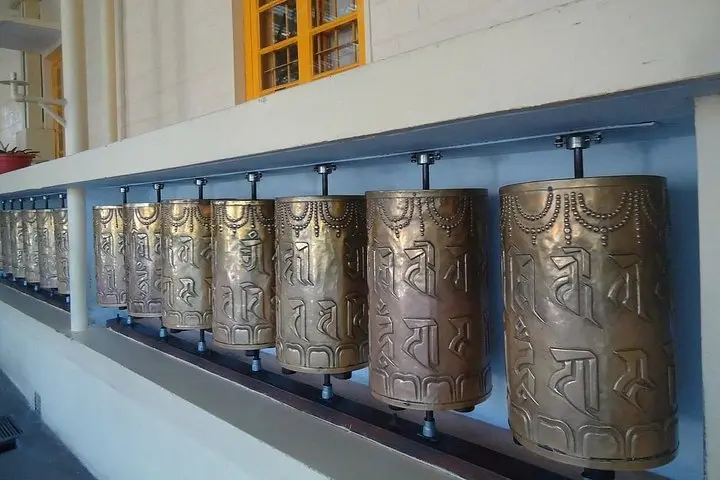
This short journey pairs colonial-era railway travel with Himalayan culture: McLeodganj is the living center of the Tibetan exile community, home to the Dalai Lama’s Tsuglakhang complex and vibrant Tibetan markets. Geologically, the Dhauladhars are a sharp, younger thrust range with steep faces and fast-turning streams—Bhagsunag Waterfall spills from those slopes and has long been a focal point for local pilgrimage and village life. Norbulingka preserves traditional Tibetan arts, while nearby tea gardens on Kangra’s terraces produce a light, fragrant leaf unique to the valley.
Expect easy walks between temples, markets and viewpoints, and short drives between sites. Cultural stops include monasteries, the Bhagsunag Temple and Chamunda Devi; nature stops include Bhagsunag Waterfall and Naddi viewpoint. Weather at ~1,400–2,000 m can flip quickly—sun-drenched mornings can give way to cool afternoons.
Practical notes: take warm layers, comfortable walking shoes, and a refillable bottle; allow extra time for mountain roads and train schedules; carry photocopies of ID and travel documents. This itinerary is approachable for most travelers who can manage stairs and short uphill walks, and it rewards a traveler who wants a blend of soft adventure, local culture, and accessible mountain scenery.
The standard service used on this itinerary departs in the morning and reaches Pathankot in about 9–10 hours; total door-to-door time varies with transfers.
No formal acclimatization is needed; elevations are modest (around 1,400–2,000 m), but take it easy on arrival if you’re sensitive to altitude.
Yes—monastery courtyards and markets are family-friendly but keep children close near steps and slippery paths at waterfalls.
Dress modestly at religious sites, remove shoes where indicated, and ask before photographing people engaged in rituals.
vwitours operates guided outdoor trips and adventures with an emphasis on safety, stewardship, and memorable experiences.
The train slows through the smoky plains and the carriage windows begin to show foothills—an advancing green that climbs into the Dhauladhar range. From Pathankot a private car takes you up a two-hour ribbon of road, pine-scented air pressing at the glass as Dharamshala and nearby McLeodganj open into hillside lanes and fluttering prayer flags.
The train slows through the smoky plains and the carriage windows begin to show foothills—an advancing green that climbs into the Dhauladhar range. From Pathankot a private car takes you up a two-hour ribbon of road, pine-scented air pressing at the glass as Dharamshala and nearby McLeodganj open into hillside lanes and fluttering prayer flags.
This short journey pairs colonial-era railway travel with Himalayan culture: McLeodganj is the living center of the Tibetan exile community, home to the Dalai Lama’s Tsuglakhang complex and vibrant Tibetan markets. Geologically, the Dhauladhars are a sharp, younger thrust range with steep faces and fast-turning streams—Bhagsunag Waterfall spills from those slopes and has long been a focal point for local pilgrimage and village life. Norbulingka preserves traditional Tibetan arts, while nearby tea gardens on Kangra’s terraces produce a light, fragrant leaf unique to the valley.
Expect easy walks between temples, markets and viewpoints, and short drives between sites. Cultural stops include monasteries, the Bhagsunag Temple and Chamunda Devi; nature stops include Bhagsunag Waterfall and Naddi viewpoint. Weather at ~1,400–2,000 m can flip quickly—sun-drenched mornings can give way to cool afternoons.
Practical notes: take warm layers, comfortable walking shoes, and a refillable bottle; allow extra time for mountain roads and train schedules; carry photocopies of ID and travel documents. This itinerary is approachable for most travelers who can manage stairs and short uphill walks, and it rewards a traveler who wants a blend of soft adventure, local culture, and accessible mountain scenery.