
Dharavi Slum Tour in Mumbai — Guided Walking Tour of the Working Micro-City
Walk Mahim’s alleys on a 2-hour guided tour that reveals Dharavi’s dense micro-economy — from pottery yards to plastic recycling — led by local student guides. Expect narrow lanes, active workshops, and practical cultural insights.
An Adventure In Mumbai.
Walk Mahim’s alleys on a 2-hour guided tour that reveals Dharavi’s dense micro-economy — from pottery yards to plastic recycling — led by local student guides. Expect narrow lanes, active workshops, and practical cultural insights.
Read the full experience
You step off the commuter train at Mahim and into a grid of narrow alleys where life moves with the steady economy of a small city. The air carries the sharp scent of frying papad, the metal tang of recycling yards and the low thrum of people at work; alleys open suddenly into courtyards where pottery wheels spin and leather is hand-stitched.
You step off the commuter train at Mahim and into a grid of narrow alleys where life moves with the steady economy of a small city. The air carries the sharp scent of frying papad, the metal tang of recycling yards and the low thrum of people at work; alleys open suddenly into courtyards where pottery wheels spin and leather is hand-stitched.
Dharavi occupies reclaimed marshland between the Mithi River and Mahim Creek and grew into a dense, self-contained manufacturing neighborhood through the 20th century. The area is known for micro-industries — pottery, leatherwork, baking, and a huge plastic- and metal-recycling sector — and reached international attention after the film Slumdog Millionaire. Cultural life is active: temples, churches, schools and student guides from local colleges all play roles in daily routines.
On a guided 2-hour walk you’ll see the logistics of small-scale production — workers sorting plastics, presses shaping papadams — and learn how space is used economically: homes sit above workshops, lanes serve as delivery routes, and communal courtyards host social life. Guides explain local enterprises and community initiatives that challenge stereotypes.
Practical notes: wear closed-toe shoes for uneven, often dusty surfaces; dress modestly (shoulders and knees covered); carry cash for small purchases and ask before photographing people. Morning or late-afternoon tours avoid the midday heat; be prepared for narrow passages and lively crowds. This tour is less about voyeurism and more about understanding the adaptive economy and community systems that sustain one of Asia’s most concentrated urban neighborhoods.
Frequently asked questions
Most tours meet at Mahim Railway Station and proceed on foot through Dharavi’s lanes, usually returning to a central pickup point near the start.
Yes — families with older children are common, but infants and very young children may find the walking and crowds challenging; stroller access is limited in narrower lanes.
Photography is allowed in most public spaces, but always ask before photographing people or inside workshops; guides can advise on sensitive spots.
Expect about two hours of walking on uneven ground with occasional steps and tight passages; a moderate fitness level is recommended.
About This Experience
Mystical Mumbai operates guided outdoor trips and adventures with an emphasis on safety, stewardship, and memorable experiences.
Adventure tips
Recommended gear
- Closed-toe walking shoes: Protects feet on uneven, sometimes wet or dusty lanes.
- Light, modest clothing: Covers shoulders and knees and breathes in Mumbai’s heat.
- Reusable water bottle: Stay hydrated during the walk; refilling options may be limited.
- Small change wallet: Keeps small-rupee notes and coins handy for purchases and tips.
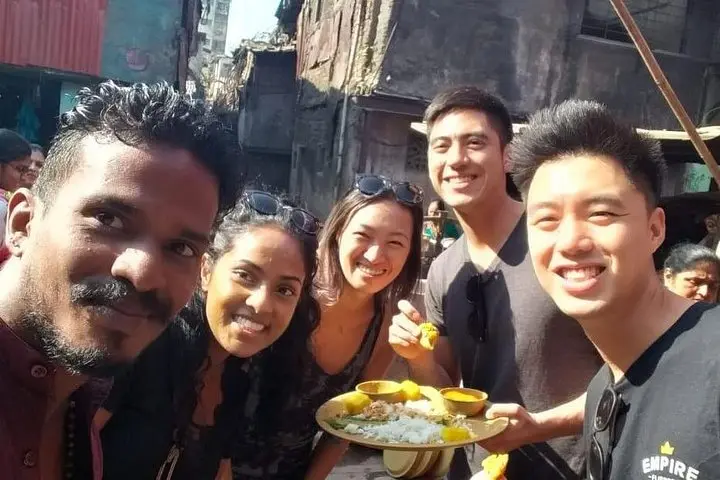
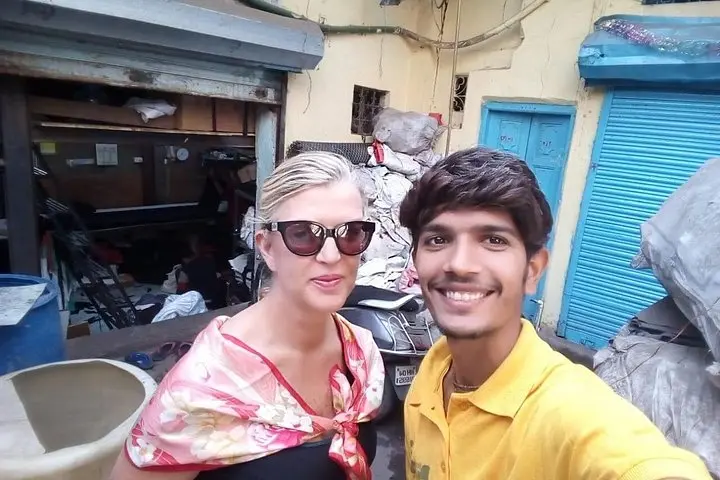
Photos of the experience


Related adventures & guides
Read the full experience
You step off the commuter train at Mahim and into a grid of narrow alleys where life moves with the steady economy of a small city. The air carries the sharp scent of frying papad, the metal tang of recycling yards and the low thrum of people at work; alleys open suddenly into courtyards where pottery wheels spin and leather is hand-stitched.
You step off the commuter train at Mahim and into a grid of narrow alleys where life moves with the steady economy of a small city. The air carries the sharp scent of frying papad, the metal tang of recycling yards and the low thrum of people at work; alleys open suddenly into courtyards where pottery wheels spin and leather is hand-stitched.
Dharavi occupies reclaimed marshland between the Mithi River and Mahim Creek and grew into a dense, self-contained manufacturing neighborhood through the 20th century. The area is known for micro-industries — pottery, leatherwork, baking, and a huge plastic- and metal-recycling sector — and reached international attention after the film Slumdog Millionaire. Cultural life is active: temples, churches, schools and student guides from local colleges all play roles in daily routines.
On a guided 2-hour walk you’ll see the logistics of small-scale production — workers sorting plastics, presses shaping papadams — and learn how space is used economically: homes sit above workshops, lanes serve as delivery routes, and communal courtyards host social life. Guides explain local enterprises and community initiatives that challenge stereotypes.
Practical notes: wear closed-toe shoes for uneven, often dusty surfaces; dress modestly (shoulders and knees covered); carry cash for small purchases and ask before photographing people. Morning or late-afternoon tours avoid the midday heat; be prepared for narrow passages and lively crowds. This tour is less about voyeurism and more about understanding the adaptive economy and community systems that sustain one of Asia’s most concentrated urban neighborhoods.
Make a day of it nearby.
Verified experiences and guided adventures in the surrounding area.