THE ADVENTURE COLLECTIVE® · Independent discovery and booking for outdoor travel

Walk Dharavi with a lifelong resident and see an often-misunderstood urban neighborhood from the inside. This 2–3 hour guided tour visits pottery yards, the open-air laundry and residential lanes while emphasizing respect and local insight.
Walk Dharavi with a lifelong resident and see an often-misunderstood urban neighborhood from the inside. This 2–3 hour guided tour visits pottery yards, the open-air laundry and residential lanes while emphasizing respect and local insight.
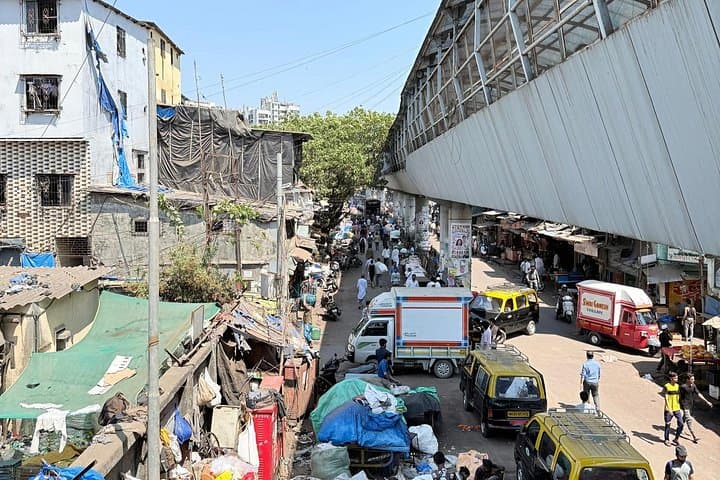
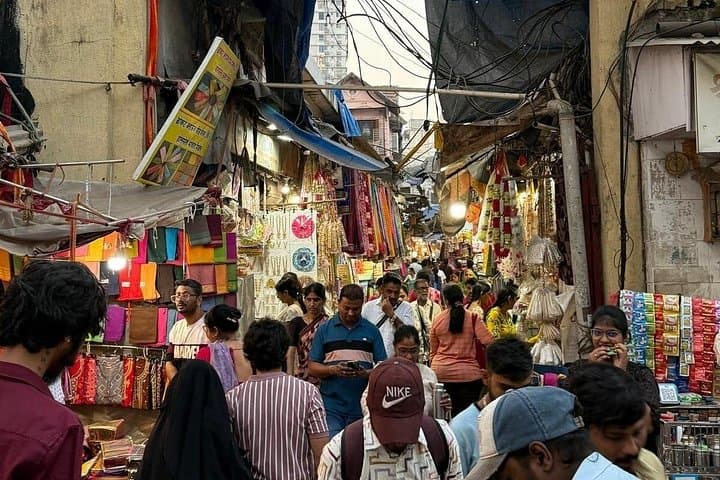
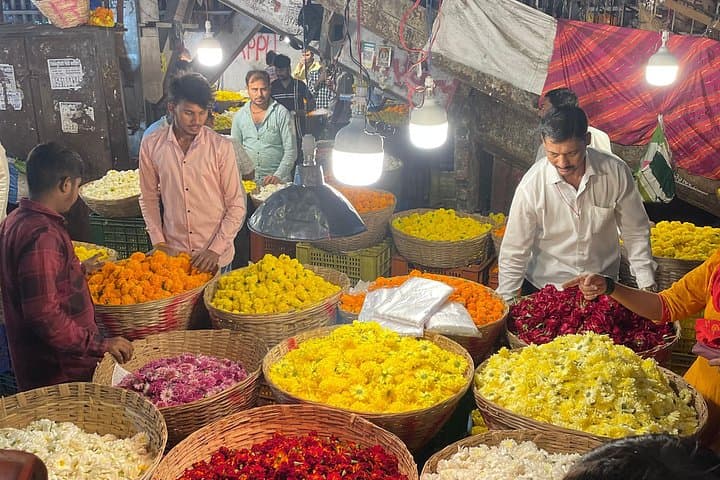
You step off the local train and the lanes take over—narrow alleys that breathe and hum, stalls stacked with metalware, clay pots turning under the hands of potters, and children weaving between bicycle carts. The air carries laundry soap from the open-air wash and the aroma of chai from a corner stall; here, life is tactile and immediate.
Verified experiences and guided adventures in the surrounding area.
Operated by VisitMumbaiTours · Mumbai, Maharashtra
You step off the local train and the lanes take over—narrow alleys that breathe and hum, stalls stacked with metalware, clay pots turning under the hands of potters, and children weaving between bicycle carts. The air carries laundry soap from the open-air wash and the aroma of chai from a corner stall; here, life is tactile and immediate.
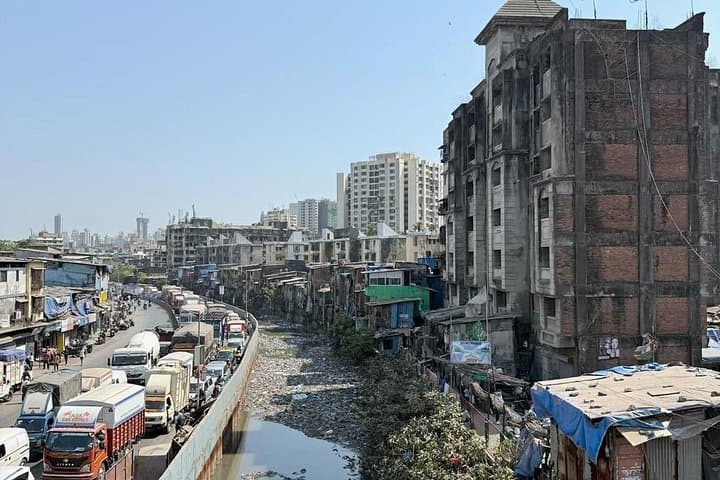
Dharavi began as a modest fishing settlement and expanded through the 19th and 20th centuries into a dense, informal industrial quarter—tannery, pottery, leather and recycling workshops multiplying in tight rows. The geology is plain urban alluvium over reclaimed marshland, which explains the area's patchwork drainage and the nickname “the city within a city.” Culturally, Dharavi is defined by micro-economies, multilingual households and communal rhythms that run on early mornings and late-night shifts.
On a guided walk with a local resident you’ll move from noisy commercial hubs into quieter residential lanes, visit pottery yards and the iconic open-air laundry, and catch a glimpse of communal rooftops where informal networks sort and sell materials.
Practical guidance: wear closed-toe shoes for uneven surfaces, carry a refillable water bottle, and dress modestly—shorts and tank tops draw attention. Photography is common but ask before shooting people or homes. Carry small notes of local currency; many vendors are cash-only. Expect frequent stops, tight passages and occasional headroom limits. Morning or late-afternoon departures dodge the heat; monsoon months bring mud and temporary puddles.
This tour is an exercise in attentive observation—respectful curiosity pays back in clearer stories and meaningful interactions.
Tours typically run 2–3 hours, depending on group pace and the number of stops the guide includes.
Yes, but you should always ask permission before photographing people or inside private spaces; guides will advise on sensitive spots.
Most visits are safe during daylight with a guide present; as in any dense urban area, stay aware of belongings and follow your guide’s directions.
Public and café restrooms are sporadic; ask your guide to plan breaks—bring hand sanitizer for hygiene.
VisitMumbaiTours operates guided outdoor trips and adventures with an emphasis on safety, stewardship, and memorable experiences.
You step off the local train and the lanes take over—narrow alleys that breathe and hum, stalls stacked with metalware, clay pots turning under the hands of potters, and children weaving between bicycle carts. The air carries laundry soap from the open-air wash and the aroma of chai from a corner stall; here, life is tactile and immediate.
You step off the local train and the lanes take over—narrow alleys that breathe and hum, stalls stacked with metalware, clay pots turning under the hands of potters, and children weaving between bicycle carts. The air carries laundry soap from the open-air wash and the aroma of chai from a corner stall; here, life is tactile and immediate.
Dharavi began as a modest fishing settlement and expanded through the 19th and 20th centuries into a dense, informal industrial quarter—tannery, pottery, leather and recycling workshops multiplying in tight rows. The geology is plain urban alluvium over reclaimed marshland, which explains the area's patchwork drainage and the nickname “the city within a city.” Culturally, Dharavi is defined by micro-economies, multilingual households and communal rhythms that run on early mornings and late-night shifts.
On a guided walk with a local resident you’ll move from noisy commercial hubs into quieter residential lanes, visit pottery yards and the iconic open-air laundry, and catch a glimpse of communal rooftops where informal networks sort and sell materials.
Practical guidance: wear closed-toe shoes for uneven surfaces, carry a refillable water bottle, and dress modestly—shorts and tank tops draw attention. Photography is common but ask before shooting people or homes. Carry small notes of local currency; many vendors are cash-only. Expect frequent stops, tight passages and occasional headroom limits. Morning or late-afternoon departures dodge the heat; monsoon months bring mud and temporary puddles.
This tour is an exercise in attentive observation—respectful curiosity pays back in clearer stories and meaningful interactions.