THE ADVENTURE COLLECTIVE® · Independent discovery and booking for outdoor travel

Walk the narrow alleys of Dharavi with a local guide to see recycling yards, pottery lanes and rooftop views while supporting community projects. Small groups and a responsible approach make this an informative cultural walk through one of Mumbai's most industrious neighborhoods.
Walk the narrow alleys of Dharavi with a local guide to see recycling yards, pottery lanes and rooftop views while supporting community projects. Small groups and a responsible approach make this an informative cultural walk through one of Mumbai's most industrious neighborhoods.
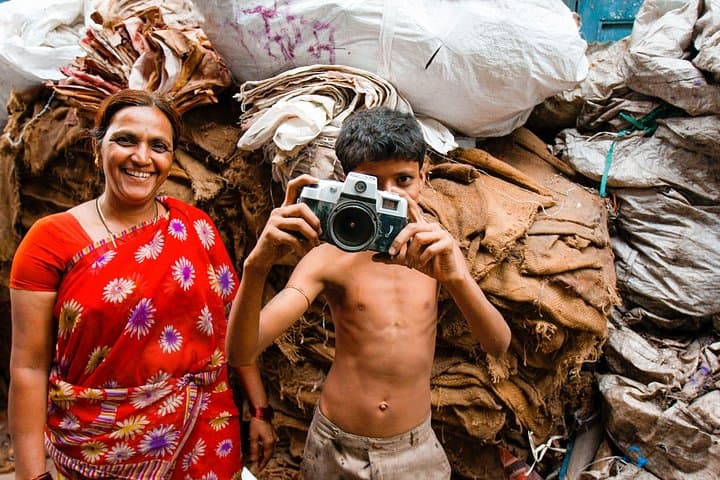
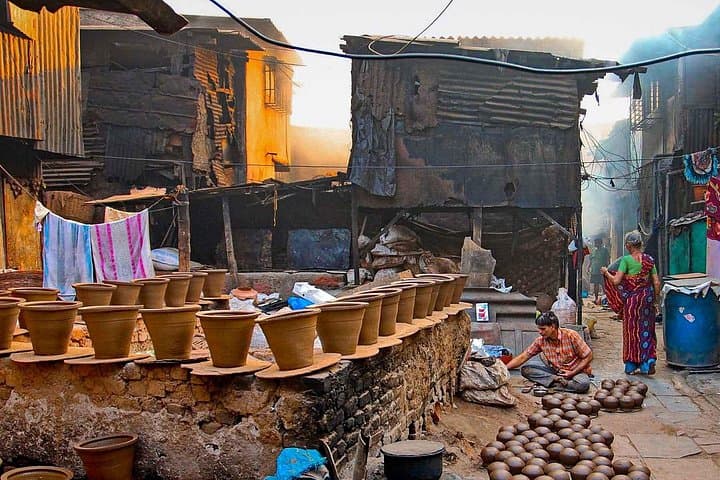
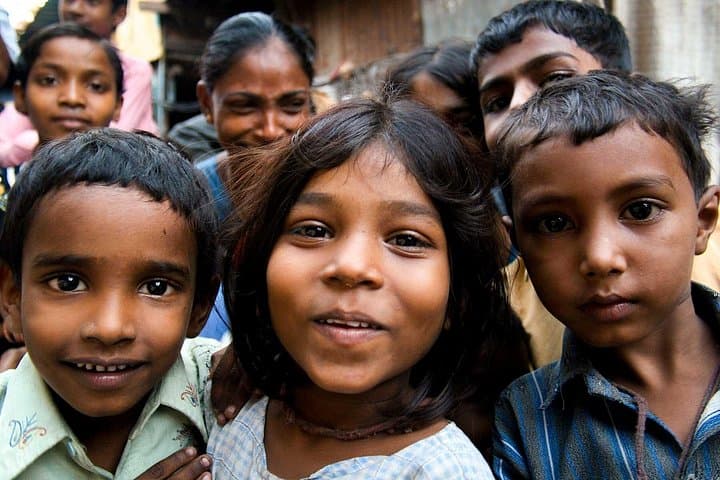
You step off the rickshaw into a braid of narrow lanes where dust, smoke and the hum of small machines define the air. Children dart past sacks of shredded plastic; pottery wheels sing with a steady, dry rhythm. This is Dharavi — a dense working quarter in central Mumbai where industries fit into alleyways and rooftops offer rare, sharp skyline breaks.
Verified experiences and guided adventures in the surrounding area.
Operated by Reality Tours & Travel Pvt Ltd · Mumbai, Maharashtra
You step off the rickshaw into a braid of narrow lanes where dust, smoke and the hum of small machines define the air. Children dart past sacks of shredded plastic; pottery wheels sing with a steady, dry rhythm. This is Dharavi — a dense working quarter in central Mumbai where industries fit into alleyways and rooftops offer rare, sharp skyline breaks.
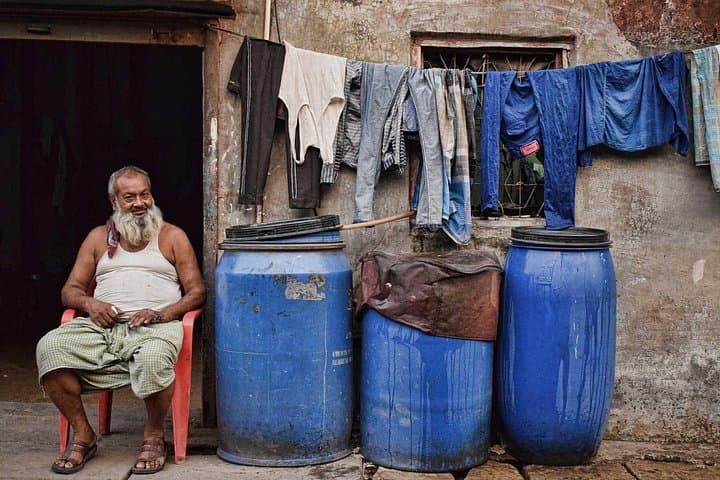
Historically grown on the western suburb’s alluvial plains, Dharavi became a magnet for migrants across the 20th century. Its built fabric is improvisational: tin sheets, brick, and rooftops layered to squeeze workshops, homes and communal spaces into one compact district. Expect to see recycling units, Kumbharwada pottery, embroidery stalls and small-scale soap and food production — local economies fashioned from resourcefulness more than regulation.
The guided walk (small groups, guided in English) moves at a steady urban-pace, often on uneven ground and through tightly packed passages. Photography is not permitted out of respect; conversation and curiosity are the currency. Practicalities: dress conservatively (shoulders and knees covered), wear closed-toe shoes, and bring a refillable water bottle — Mumbai’s heat can build quickly in the alleys. Tours typically last about 2–3 hours and end at the operator’s office where you’ll learn how tour proceeds fund community education programs.
This is a listening tour as much as a walking one: keep pace with your guide, stay aware of local activity around you, and take the quieter moments on a rooftop to read the city’s silhouette. The experience rewards patience, respect and an observant stride.
No — photography is not permitted inside Dharavi out of respect for residents; guides may offer approved spots at the tour's end.
Tours run about 2–3 hours and cover several kilometers at a steady but unhurried urban walking pace, stopping at multiple small-scale workshops.
Yes, if they can navigate narrow lanes and stairs; caregivers should evaluate mobility limitations because there is limited wheelchair access.
An English-speaking local guide and cold water are included; lunch is optional for an extra charge and proceeds help community education programs.
Reality Tours & Travel Pvt Ltd operates guided outdoor trips and adventures with an emphasis on safety, stewardship, and memorable experiences.
You step off the rickshaw into a braid of narrow lanes where dust, smoke and the hum of small machines define the air. Children dart past sacks of shredded plastic; pottery wheels sing with a steady, dry rhythm. This is Dharavi — a dense working quarter in central Mumbai where industries fit into alleyways and rooftops offer rare, sharp skyline breaks.
You step off the rickshaw into a braid of narrow lanes where dust, smoke and the hum of small machines define the air. Children dart past sacks of shredded plastic; pottery wheels sing with a steady, dry rhythm. This is Dharavi — a dense working quarter in central Mumbai where industries fit into alleyways and rooftops offer rare, sharp skyline breaks.
Historically grown on the western suburb’s alluvial plains, Dharavi became a magnet for migrants across the 20th century. Its built fabric is improvisational: tin sheets, brick, and rooftops layered to squeeze workshops, homes and communal spaces into one compact district. Expect to see recycling units, Kumbharwada pottery, embroidery stalls and small-scale soap and food production — local economies fashioned from resourcefulness more than regulation.
The guided walk (small groups, guided in English) moves at a steady urban-pace, often on uneven ground and through tightly packed passages. Photography is not permitted out of respect; conversation and curiosity are the currency. Practicalities: dress conservatively (shoulders and knees covered), wear closed-toe shoes, and bring a refillable water bottle — Mumbai’s heat can build quickly in the alleys. Tours typically last about 2–3 hours and end at the operator’s office where you’ll learn how tour proceeds fund community education programs.
This is a listening tour as much as a walking one: keep pace with your guide, stay aware of local activity around you, and take the quieter moments on a rooftop to read the city’s silhouette. The experience rewards patience, respect and an observant stride.