THE ADVENTURE COLLECTIVE® · Independent discovery and booking for outdoor travel

A demanding 17-day loop around the Dhaulagiri massif that moves from subtropical valley walks to high glacial camps and the French Pass. Expect long days, high altitude, and authentic village encounters off the main trekking corridors.
A demanding 17-day loop around the Dhaulagiri massif that moves from subtropical valley walks to high glacial camps and the French Pass. Expect long days, high altitude, and authentic village encounters off the main trekking corridors.
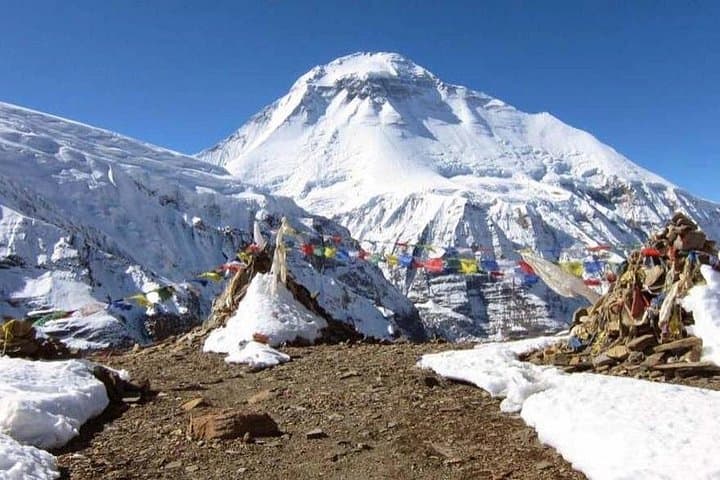
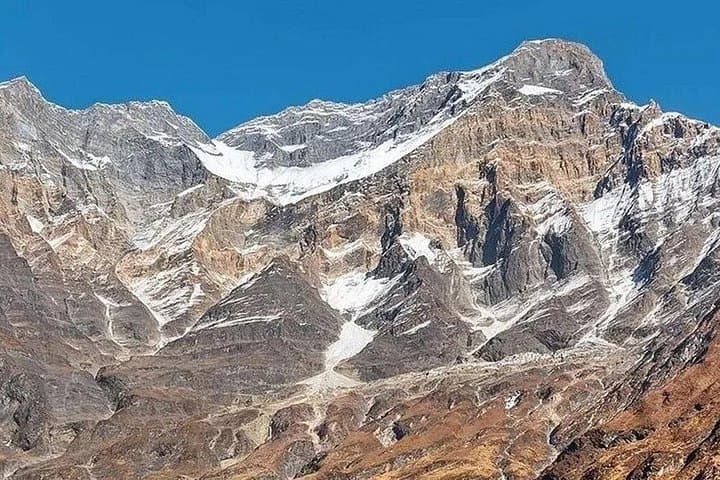
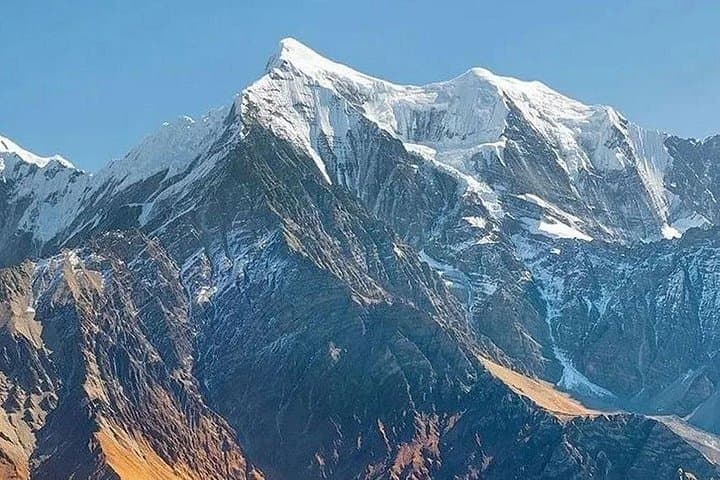
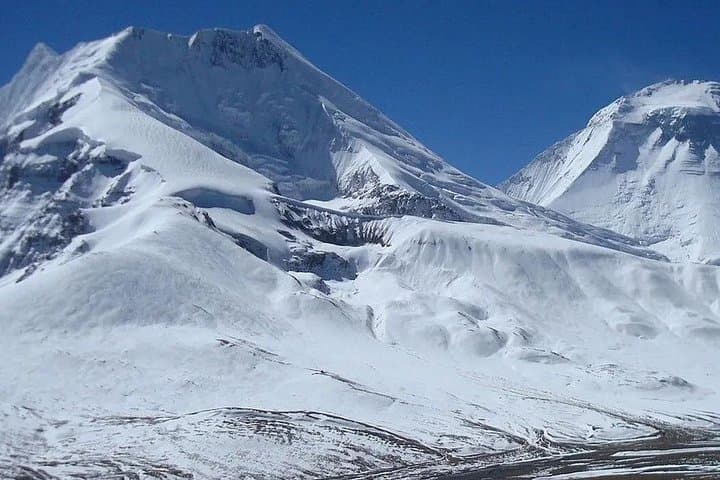
The trail opens with a long road leaving Kathmandu behind; by the time Pokhara drops into the rearview the valley breathes colder air and the peaks begin to assert themselves. Myagdi Khola threads the route, daring you along terraced fields and villages until the valley narrows and the massif of Dhaulagiri rises like an uncompromising wall. You move from oak and pine forests into moraine and ice, and each day's profile shifts from steady ascents to sharp, lung-bracing climbs.
Verified experiences and guided adventures in the surrounding area.
Operated by AM Travels and Tours · Pokhara, Gandaki Province
The trail opens with a long road leaving Kathmandu behind; by the time Pokhara drops into the rearview the valley breathes colder air and the peaks begin to assert themselves. Myagdi Khola threads the route, daring you along terraced fields and villages until the valley narrows and the massif of Dhaulagiri rises like an uncompromising wall. You move from oak and pine forests into moraine and ice, and each day's profile shifts from steady ascents to sharp, lung-bracing climbs.
This circuit follows old trade and shepherding routes used by Magar, Gurung and Thakali communities. Geologically, the Dhaulagiri range is young Himalayan uplift — a complex of glaciated ridges, steep faces and loose moraine that demands respect. Cultural pockets like Marpha reveal apple orchards and whitewashed houses where hospitality is practical and food is fuel.
Expect remote camps, long hard days (up to 7–8 hours hiking) and two planned acclimatization stops at Italian Base Camp and Dhaulagiri Base Camp. French Pass (≈5,320–5,360 m) is the high point: weather-dependent, exposed, and often windy. The route alternates teahouse comfort with tented nights on higher sections.
Practical guidance: hydrate early and often, follow staged altitude gain, and carry layered insulation for diurnal extremes. Good trekking boots, a functional sleeping bag rated to –10°C, and a trusted guide are non-negotiable. Plan for contingency days for weather and always keep permits and TIMS accessible. The circuit rewards patience with glacier panoramas and a real sense of entering a less-traveled Himalayan world.
French Pass is the highest and most exposed section (≈5,320–5,360 m). It is weather-dependent and can be icy or windy — guides may turn parties back for safety; no technical climbing is required on standard routes but good boots and nerve are needed.
You need the Annapurna Conservation Area Permit (ACAP) and a TIMS card; operators typically arrange a special Dhaulagiri trek permit as noted in the itinerary.
Lower sections use guesthouses/teahouses; higher sections alternate tented camps and basic guesthouse-style shelter depending on remoteness and season.
Yes — a history of multi-day mountain treks and proven high-altitude tolerance will help; the trip is not suitable for first-time high-altitude hikers.
AM Travels and Tours operates guided outdoor trips and adventures with an emphasis on safety, stewardship, and memorable experiences.
The trail opens with a long road leaving Kathmandu behind; by the time Pokhara drops into the rearview the valley breathes colder air and the peaks begin to assert themselves. Myagdi Khola threads the route, daring you along terraced fields and villages until the valley narrows and the massif of Dhaulagiri rises like an uncompromising wall. You move from oak and pine forests into moraine and ice, and each day's profile shifts from steady ascents to sharp, lung-bracing climbs.
The trail opens with a long road leaving Kathmandu behind; by the time Pokhara drops into the rearview the valley breathes colder air and the peaks begin to assert themselves. Myagdi Khola threads the route, daring you along terraced fields and villages until the valley narrows and the massif of Dhaulagiri rises like an uncompromising wall. You move from oak and pine forests into moraine and ice, and each day's profile shifts from steady ascents to sharp, lung-bracing climbs.
This circuit follows old trade and shepherding routes used by Magar, Gurung and Thakali communities. Geologically, the Dhaulagiri range is young Himalayan uplift — a complex of glaciated ridges, steep faces and loose moraine that demands respect. Cultural pockets like Marpha reveal apple orchards and whitewashed houses where hospitality is practical and food is fuel.
Expect remote camps, long hard days (up to 7–8 hours hiking) and two planned acclimatization stops at Italian Base Camp and Dhaulagiri Base Camp. French Pass (≈5,320–5,360 m) is the high point: weather-dependent, exposed, and often windy. The route alternates teahouse comfort with tented nights on higher sections.
Practical guidance: hydrate early and often, follow staged altitude gain, and carry layered insulation for diurnal extremes. Good trekking boots, a functional sleeping bag rated to –10°C, and a trusted guide are non-negotiable. Plan for contingency days for weather and always keep permits and TIMS accessible. The circuit rewards patience with glacier panoramas and a real sense of entering a less-traveled Himalayan world.