THE ADVENTURE COLLECTIVE® · Independent discovery and booking for outdoor travel

Spend a night inside Jim Corbett National Park at Dhikala Forest Rest House for dawn and dusk jeep safaris, close-range wildlife viewing and immersive riverine landscapes. This guided overnight combines permits, meals and safaris for a focused wildlife experience.
Spend a night inside Jim Corbett National Park at Dhikala Forest Rest House for dawn and dusk jeep safaris, close-range wildlife viewing and immersive riverine landscapes. This guided overnight combines permits, meals and safaris for a focused wildlife experience.
Night falls and the forest changes voice: the river hurries in the dark, grasses whisper under hoof, and the sal trees close ranks like a low, watchful roof. At Dhikala Forest Rest House you trade the city’s lights for a single, clear sky and the steady cadence of the jungle — a place where jeep headlights carve temporary paths through grasses and the guide’s voice is as important as the map.
Verified experiences and guided adventures in the surrounding area.
Operated by Corbett Vacations · Ramnagar, Uttarakhand
Night falls and the forest changes voice: the river hurries in the dark, grasses whisper under hoof, and the sal trees close ranks like a low, watchful roof. At Dhikala Forest Rest House you trade the city’s lights for a single, clear sky and the steady cadence of the jungle — a place where jeep headlights carve temporary paths through grasses and the guide’s voice is as important as the map.
Jim Corbett National Park was India’s first protected area, created to conserve wild tigers and the riverine ecosystems of the lower Himalaya. Geology here is older foothill schist and alluvial floodplains fed by the Ramganga; the terrain alternates between dense sal forest, riverine scrub, and wide grasslands that invite grazing herds and ambush predators alike. Local communities practice small-scale agriculture and pilgrimage — Garjia Temple near the river is a quiet cultural waypoint for visitors.
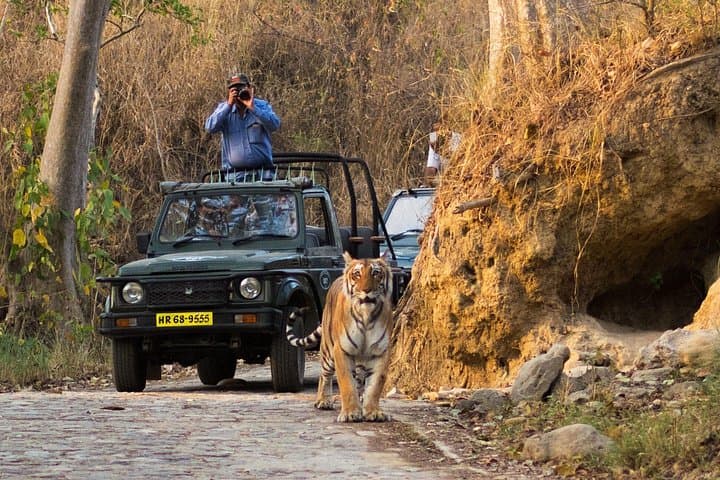
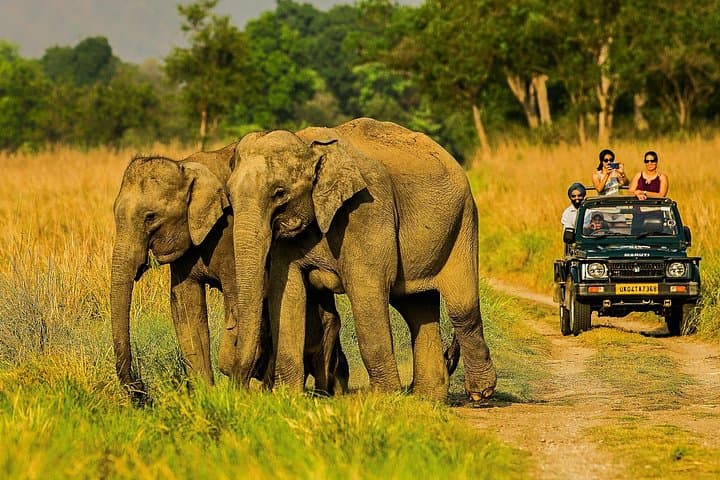
Expect guided jeep safaris at dawn and dusk, patient wildlife watching from vehicle vantage points, and vegetarian meals served at the FRH. Nights are quiet and insect-heavy; bring ear protection and a reliable torch. Permits and forest department rules govern access — your operator handles paperwork but follow local guidance on movement, noise, and photography.
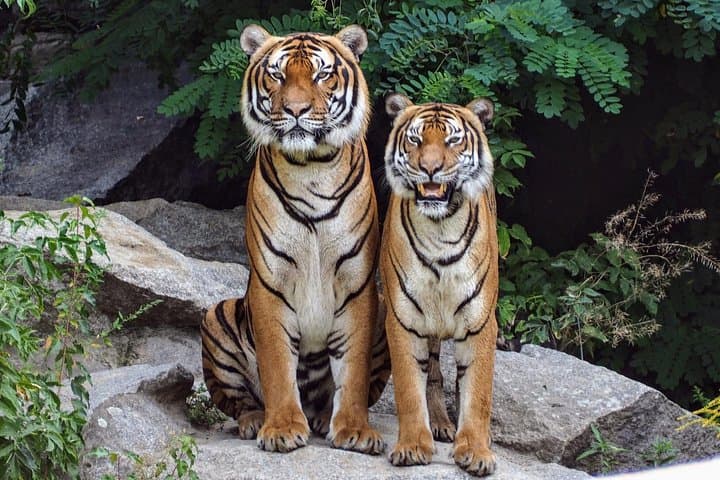
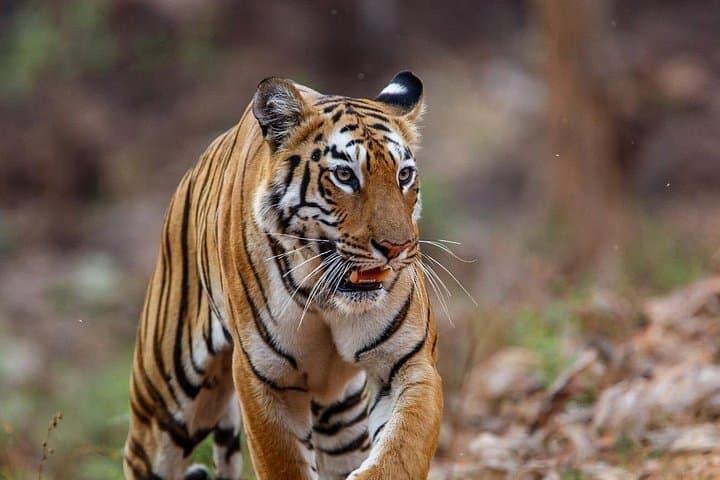
Practical tips: schedule early-morning safaris for higher tiger activity, carry binoculars and layered clothing for temperature swings, and prioritize refillable water and waste-free packing. The Dhikala night stay is less about comfort and more about presence: the forest opens if you arrive ready to listen.
Most guests travel from Ramnagar by pre-arranged vehicle; your operator typically handles pickup and park entry permits.
Yes — the standard package includes vegetarian breakfast, lunch and dinner at the Forest Rest House as noted in the itinerary.
Sightings cannot be guaranteed; Dhikala's grasslands and river edges improve your chances, and guided safaris increase likelihood through informed route choices.
Children are allowed but must be supervised; confirm age and sleeping arrangements with the operator and follow forest department guidelines.
Corbett Vacations operates guided outdoor trips and adventures with an emphasis on safety, stewardship, and memorable experiences.
Night falls and the forest changes voice: the river hurries in the dark, grasses whisper under hoof, and the sal trees close ranks like a low, watchful roof. At Dhikala Forest Rest House you trade the city’s lights for a single, clear sky and the steady cadence of the jungle — a place where jeep headlights carve temporary paths through grasses and the guide’s voice is as important as the map.
Night falls and the forest changes voice: the river hurries in the dark, grasses whisper under hoof, and the sal trees close ranks like a low, watchful roof. At Dhikala Forest Rest House you trade the city’s lights for a single, clear sky and the steady cadence of the jungle — a place where jeep headlights carve temporary paths through grasses and the guide’s voice is as important as the map.
Jim Corbett National Park was India’s first protected area, created to conserve wild tigers and the riverine ecosystems of the lower Himalaya. Geology here is older foothill schist and alluvial floodplains fed by the Ramganga; the terrain alternates between dense sal forest, riverine scrub, and wide grasslands that invite grazing herds and ambush predators alike. Local communities practice small-scale agriculture and pilgrimage — Garjia Temple near the river is a quiet cultural waypoint for visitors.
Expect guided jeep safaris at dawn and dusk, patient wildlife watching from vehicle vantage points, and vegetarian meals served at the FRH. Nights are quiet and insect-heavy; bring ear protection and a reliable torch. Permits and forest department rules govern access — your operator handles paperwork but follow local guidance on movement, noise, and photography.
Practical tips: schedule early-morning safaris for higher tiger activity, carry binoculars and layered clothing for temperature swings, and prioritize refillable water and waste-free packing. The Dhikala night stay is less about comfort and more about presence: the forest opens if you arrive ready to listen.