THE ADVENTURE COLLECTIVE® · Independent discovery and booking for outdoor travel

Stay inside Jim Corbett’s Dhikala core zone for a front-row seat to tigers, elephants and riverine birdlife. This overnight package combines guided morning and evening jeep safaris with in-park lodging and local expertise for an authentic, responsibly managed wildlife experience.
Stay inside Jim Corbett’s Dhikala core zone for a front-row seat to tigers, elephants and riverine birdlife. This overnight package combines guided morning and evening jeep safaris with in-park lodging and local expertise for an authentic, responsibly managed wildlife experience.
The first light finds the Ramganga sliding past the Dhikala Forest Rest House, silver and cold, while a pair of langur monkeys inspect the compound wall as if checking guest arrivals.
Verified experiences and guided adventures in the surrounding area.
Operated by Jim Corbett Budget Safari · Dhikala (Jim Corbett National Park), Uttarakhand
The first light finds the Ramganga sliding past the Dhikala Forest Rest House, silver and cold, while a pair of langur monkeys inspect the compound wall as if checking guest arrivals.
Spend a day here and the park becomes a living map: grasslands opening into riverine corridors, Shivalik foothills rising in the distance, and tamarind and sal forests where deer melt into shade. The Dhikala zone sits in Jim Corbett National Park’s core—one of India’s earliest protected areas created in 1936—and offers unusually high visibility for tigers, elephants and wetland birds thanks to its river meanders and open meadows.
Geologically the area is shaped by alluvial fans and the erosive Ramganga, which carves seasonal channels and creates the grassland-river margin ecology that draws big game. Culturally, nearby Ramnagar supports the tourism and forestry staff who manage restricted access; local guides bring decades of knowledge about animal movement and seasonal behavior.
Practicalities matter: permits and zone access are controlled, so bookings and official jeep safaris are the norm. Expect early-morning and late-afternoon drives; pack binoculars, a layered jacket for cool nights, sturdy shoes for short walks, and insect repellent. Photography benefits from long lenses and patience—the animals set the pace. Food at the rest house is typically vegetarian; potable water and basic amenities are available but carry essentials for comfort. Nights are quiet except for distant rumblings of wildlife and the river’s voice—an immersive, responsibly managed opportunity to be inside a functioning wilderness rather than merely viewing it from outside.
Yes — entry permits for the Dhikala core zone are required and usually arranged by the operator when you book the overnight package.
Children can visit but policies vary; confirm age restrictions and sleeping arrangements with the operator before booking.
The package typically includes vegetarian breakfast, lunch and dinner served at the rest house; special diets should be requested in advance.
Dhikala offers better-than-average tiger sighting chances due to open grasslands and river edges, but sightings are never guaranteed—wildlife is unpredictable.
Jim Corbett Budget Safari operates guided outdoor trips and adventures with an emphasis on safety, stewardship, and memorable experiences.
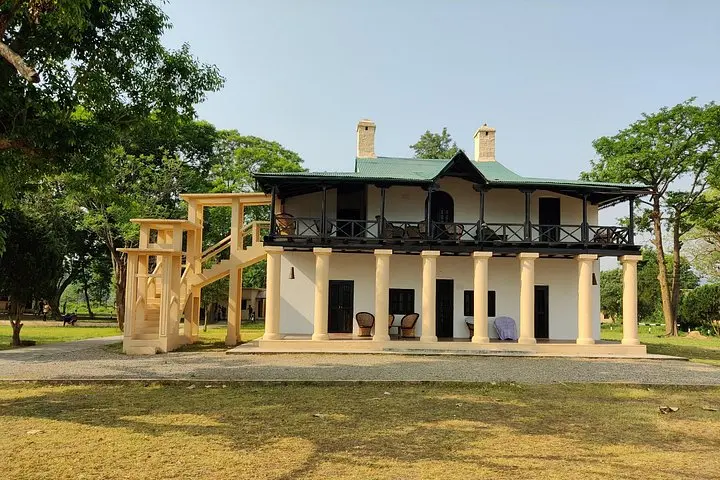
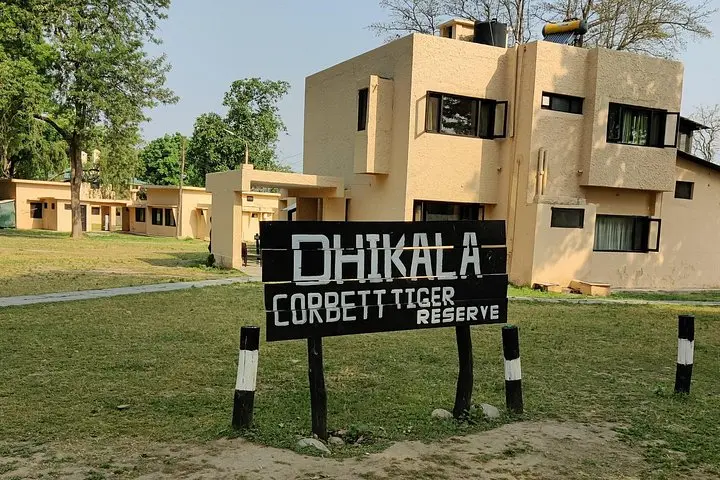
The first light finds the Ramganga sliding past the Dhikala Forest Rest House, silver and cold, while a pair of langur monkeys inspect the compound wall as if checking guest arrivals.
The first light finds the Ramganga sliding past the Dhikala Forest Rest House, silver and cold, while a pair of langur monkeys inspect the compound wall as if checking guest arrivals.
Spend a day here and the park becomes a living map: grasslands opening into riverine corridors, Shivalik foothills rising in the distance, and tamarind and sal forests where deer melt into shade. The Dhikala zone sits in Jim Corbett National Park’s core—one of India’s earliest protected areas created in 1936—and offers unusually high visibility for tigers, elephants and wetland birds thanks to its river meanders and open meadows.
Geologically the area is shaped by alluvial fans and the erosive Ramganga, which carves seasonal channels and creates the grassland-river margin ecology that draws big game. Culturally, nearby Ramnagar supports the tourism and forestry staff who manage restricted access; local guides bring decades of knowledge about animal movement and seasonal behavior.
Practicalities matter: permits and zone access are controlled, so bookings and official jeep safaris are the norm. Expect early-morning and late-afternoon drives; pack binoculars, a layered jacket for cool nights, sturdy shoes for short walks, and insect repellent. Photography benefits from long lenses and patience—the animals set the pace. Food at the rest house is typically vegetarian; potable water and basic amenities are available but carry essentials for comfort. Nights are quiet except for distant rumblings of wildlife and the river’s voice—an immersive, responsibly managed opportunity to be inside a functioning wilderness rather than merely viewing it from outside.