THE ADVENTURE COLLECTIVE® · Independent discovery and booking for outdoor travel

Launch from Watamu on a traditional dhow to chase dolphins and snorkel coral gardens at Sudi Island. This compact four-hour morning tour pairs marine wildlife viewing with a seafood lunch and local coastal culture.
Launch from Watamu on a traditional dhow to chase dolphins and snorkel coral gardens at Sudi Island. This compact four-hour morning tour pairs marine wildlife viewing with a seafood lunch and local coastal culture.
The dhow slips from the mangrove-strewn shoreline just after sunrise, the wind filling its lateen sail and the ocean opening like a cool invitation. Dolphins appear as quick commas in the water—arcing, racing the bow—while the dhow drifts into clear blue where coral gardens sit shoulder-deep beneath the surface. Salt air carries the day’s first fish smoke and the low Swahili chatter of the crew.
Verified experiences and guided adventures in the surrounding area.
Operated by Zazu Safari Ventures · Watamu, Kilifi County
The dhow slips from the mangrove-strewn shoreline just after sunrise, the wind filling its lateen sail and the ocean opening like a cool invitation. Dolphins appear as quick commas in the water—arcing, racing the bow—while the dhow drifts into clear blue where coral gardens sit shoulder-deep beneath the surface. Salt air carries the day’s first fish smoke and the low Swahili chatter of the crew.
Watamu sits on the Kenyan coast where coral limestone and ancient tidal channels shape a coastline tied to centuries of Indian Ocean trade. The reef here is living geology: ridges and bommies built by coral, braided with mangrove roots and small creeks that pulse with shells, juvenile fish and the occasional green turtle. Local fishing villages reflect Swahili culture—simple dhows, seafood lunches, and stories about the changing tides.
Expect a practical four-hour outing: hotel pickup in Watamu (typically 7:30), briefing at the marine office, then a 8:30 launch for dolphin watching, followed by a snorkel stop at Sudi Island, fish feeding and a seafood lunch on board or shore. Early morning increases dolphin odds and keeps sun exposure lower. Basic snorkeling and a moderate level of comfort in small boats are required; operators often provide masks and life jackets but bringing your own mask and reef-safe sunscreen improves fit and protection. Carry a dry bag, plenty of water, and a sense of flexibility—tides and wildlife set the schedule. The trip is compact, marine-focused, and ideal for travelers who want wildlife encounters without a long commitment.
No—dolphins are wild animals and sightings depend on conditions, time of day and their movements; mornings offer the best chance but no operator can guarantee encounters.
Most operators carry basic masks, snorkels and life jackets, but bringing your own mask and fins improves fit and hygiene.
The tour is classified easy and suitable for most fitness levels, but it is not recommended for travelers with spinal injuries, serious heart conditions or pregnancy; infants must sit on laps.
Pickup is typically included for accommodations within Watamu town; transfers outside the immediate area may incur an extra charge—confirm at booking.
Zazu Safari Ventures operates guided outdoor trips and adventures with an emphasis on safety, stewardship, and memorable experiences.
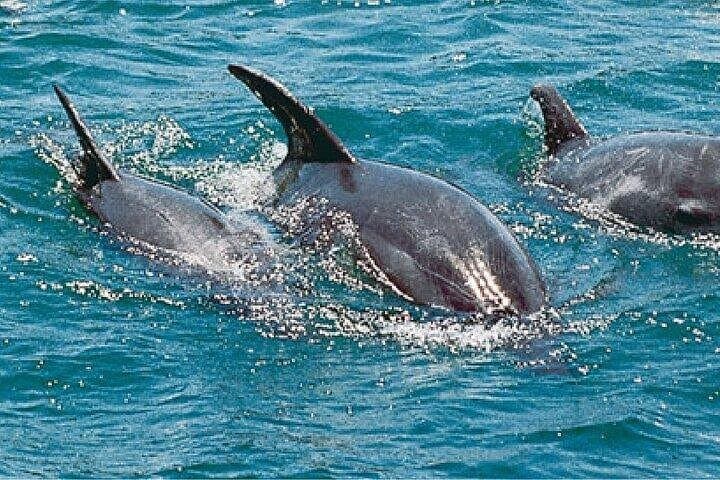


The dhow slips from the mangrove-strewn shoreline just after sunrise, the wind filling its lateen sail and the ocean opening like a cool invitation. Dolphins appear as quick commas in the water—arcing, racing the bow—while the dhow drifts into clear blue where coral gardens sit shoulder-deep beneath the surface. Salt air carries the day’s first fish smoke and the low Swahili chatter of the crew.
The dhow slips from the mangrove-strewn shoreline just after sunrise, the wind filling its lateen sail and the ocean opening like a cool invitation. Dolphins appear as quick commas in the water—arcing, racing the bow—while the dhow drifts into clear blue where coral gardens sit shoulder-deep beneath the surface. Salt air carries the day’s first fish smoke and the low Swahili chatter of the crew.
Watamu sits on the Kenyan coast where coral limestone and ancient tidal channels shape a coastline tied to centuries of Indian Ocean trade. The reef here is living geology: ridges and bommies built by coral, braided with mangrove roots and small creeks that pulse with shells, juvenile fish and the occasional green turtle. Local fishing villages reflect Swahili culture—simple dhows, seafood lunches, and stories about the changing tides.
Expect a practical four-hour outing: hotel pickup in Watamu (typically 7:30), briefing at the marine office, then a 8:30 launch for dolphin watching, followed by a snorkel stop at Sudi Island, fish feeding and a seafood lunch on board or shore. Early morning increases dolphin odds and keeps sun exposure lower. Basic snorkeling and a moderate level of comfort in small boats are required; operators often provide masks and life jackets but bringing your own mask and reef-safe sunscreen improves fit and protection. Carry a dry bag, plenty of water, and a sense of flexibility—tides and wildlife set the schedule. The trip is compact, marine-focused, and ideal for travelers who want wildlife encounters without a long commitment.